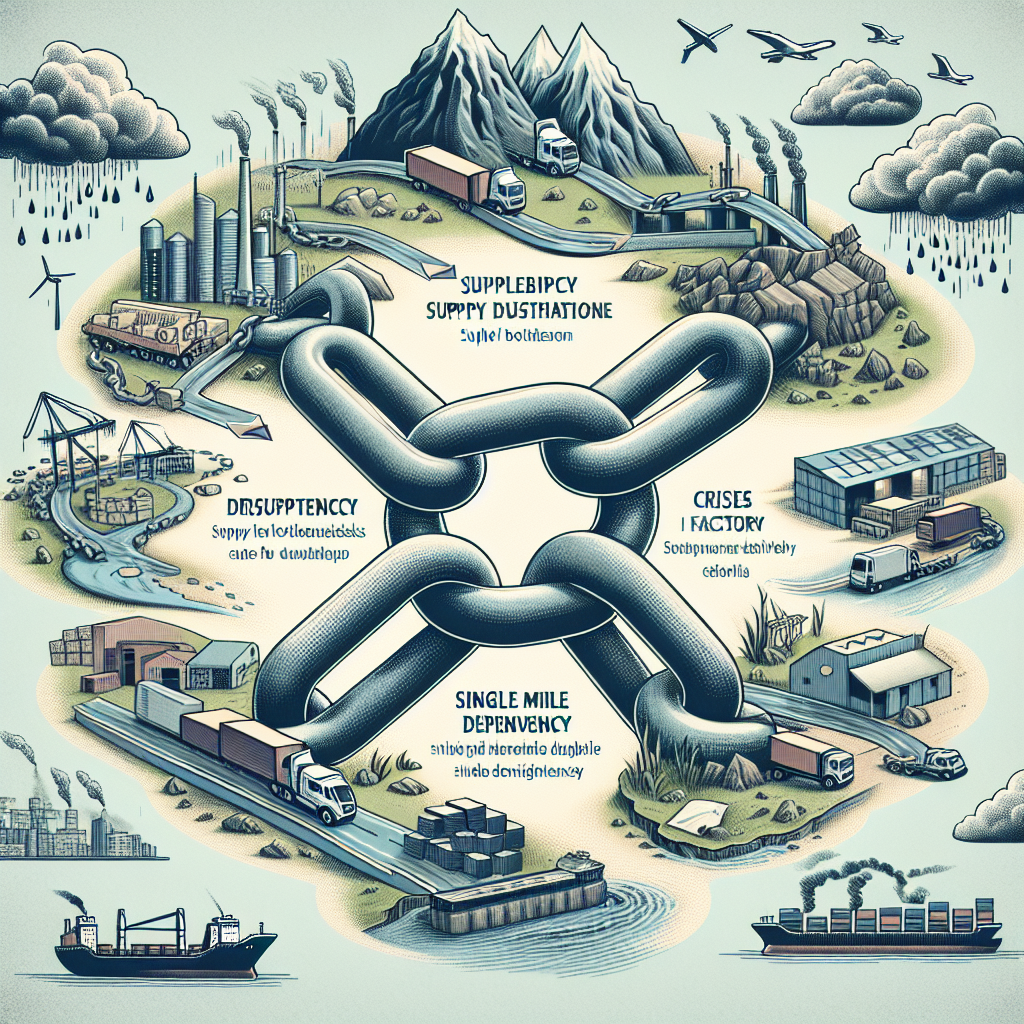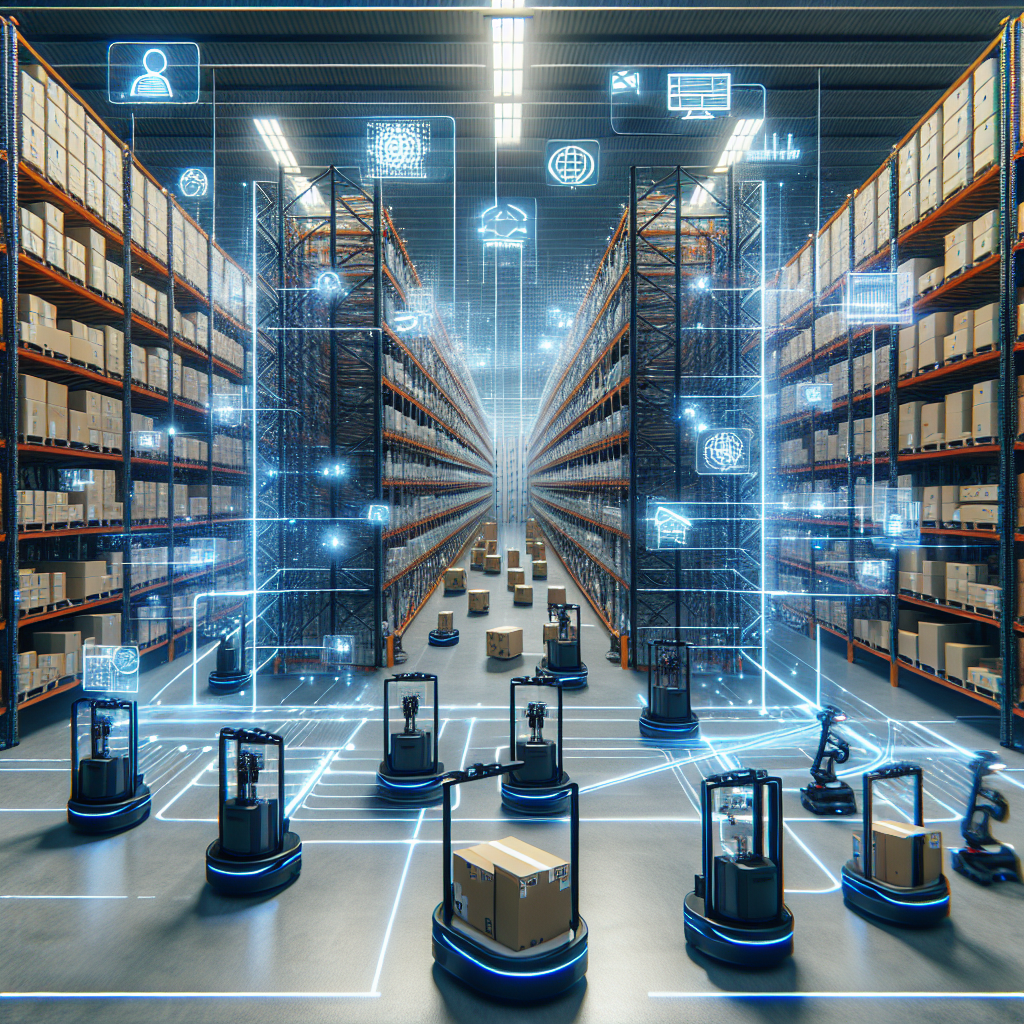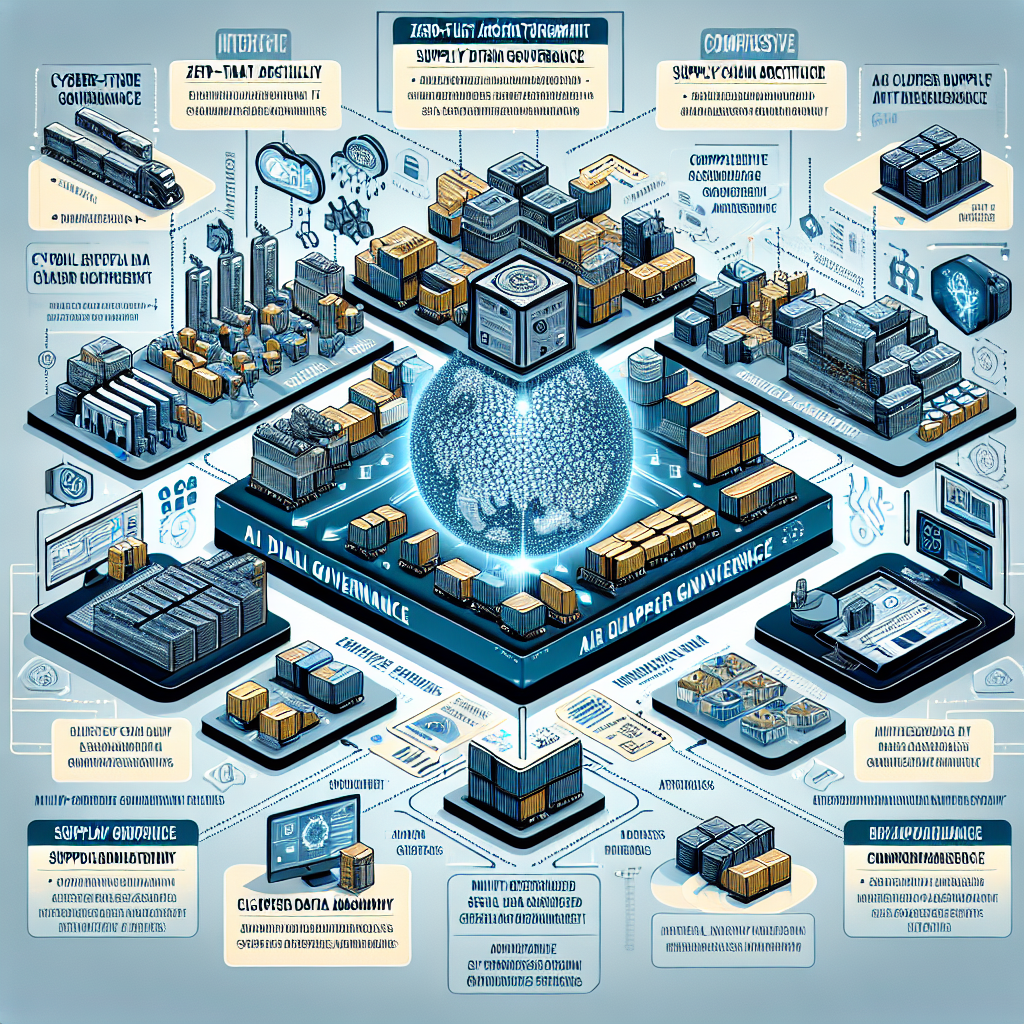






Modern supply chains face unprecedented volatility, from global disruptions to shifting consumer behavior. AI-powered demand forecasting combined with continuous S&OP planning is emerging as the definitive answer to these challenges, enabling organizations to anticipate demand shifts with remarkable precision and respond faster than ever before.
What Is AI-Powered Demand Forecasting and Why Does It Matter?
AI-powered demand forecasting uses machine learning algorithms and real-time data streams to predict future product demand with far greater accuracy than traditional statistical models. Unlike legacy spreadsheet-based approaches, AI systems continuously learn from new data points, including weather patterns, social media trends, and macroeconomic signals.
According to a Gartner study, organizations that adopt AI-driven forecasting report up to a 50% reduction in forecast errors compared to conventional methods. This level of accuracy directly translates into reduced overstock, fewer stockouts, and improved customer satisfaction scores across industries.
Continuous S&OP Planning: Moving Beyond the Monthly Review Cycle
Traditional Sales and Operations Planning (S&OP) processes operate on monthly review cycles, leaving businesses reactive rather than proactive. Continuous S&OP planning replaces this rigid cadence with rolling, always-on planning loops that align supply, demand, and financial plans in near real time.
A compelling example is consumer electronics giant Lenovo, which implemented continuous S&OP planning across its global supply chain and reduced planning cycle times by over 60%. By integrating supply chain analytics dashboards with live ERP data, their planning teams were empowered to make decisions daily rather than waiting weeks for the next formal review meeting.
Continuous S&OP planning also closes the gap between operational execution and strategic intent, ensuring that sales targets, inventory policies, and procurement schedules remain aligned even as market conditions shift. Explore S&OP planning tools at BestInSupplies.com to understand which platforms best support this modern approach.
How Supply Chain Analytics Drives Lead Time Reduction
Advanced supply chain analytics platforms aggregate data from suppliers, logistics partners, and internal operations to identify bottlenecks before they escalate into delays. By leveraging predictive analytics, procurement teams can proactively reorder components, reroute shipments, and negotiate buffer agreements with key suppliers.
Lead time reduction is one of the most tangible benefits of integrating AI-powered demand forecasting with robust supply chain analytics. According to McKinsey’s Supply Chain 2030 report, companies using AI-enhanced supply chain analytics have achieved lead time reductions of 20–30% while simultaneously improving on-time delivery performance by up to 25%.
These improvements compound over time as AI models accumulate more historical data, becoming progressively smarter and more accurate in their predictions. Organizations that invest in supply chain analytics infrastructure today are building a durable competitive advantage that grows with scale and data maturity.
Integrating AI Forecasting with Continuous S&OP for Maximum Impact
The true power of these technologies emerges when AI-powered demand forecasting feeds directly into continuous S&OP planning workflows. Forecast signals automatically trigger planning reviews, inventory rebalancing recommendations, and supplier capacity alerts, creating a closed-loop system that dramatically reduces manual intervention.
Platforms such as o9 Solutions and Kinaxis RapidResponse exemplify this integration, offering unified environments where demand signals, supply constraints, and financial targets are simultaneously visible to all planning stakeholders. This transparency accelerates consensus building and dramatically shortens decision cycles.
Ready to deepen your knowledge of demand forecasting, supply chain analytics, and continuous S&OP planning strategies? Visit BestInSupplies.com for expert guides, tool comparisons, and actionable resources designed to help supply chain professionals stay ahead of the curve.