
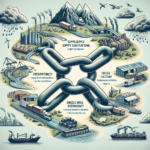

Global supply chains face unprecedented complexity in 2025, driven by geopolitical shifts, climate disruptions, and accelerating digital transformation. Organizations that invest in supply chain resilience strategies are outperforming competitors by reducing disruption recovery times by up to 40%, according to a 2024 McKinsey Global Institute report. This post explores the technologies and frameworks redefining how supply chains are built, monitored, and governed.
Why Supply Chain Resilience Strategies Matter More Than Ever
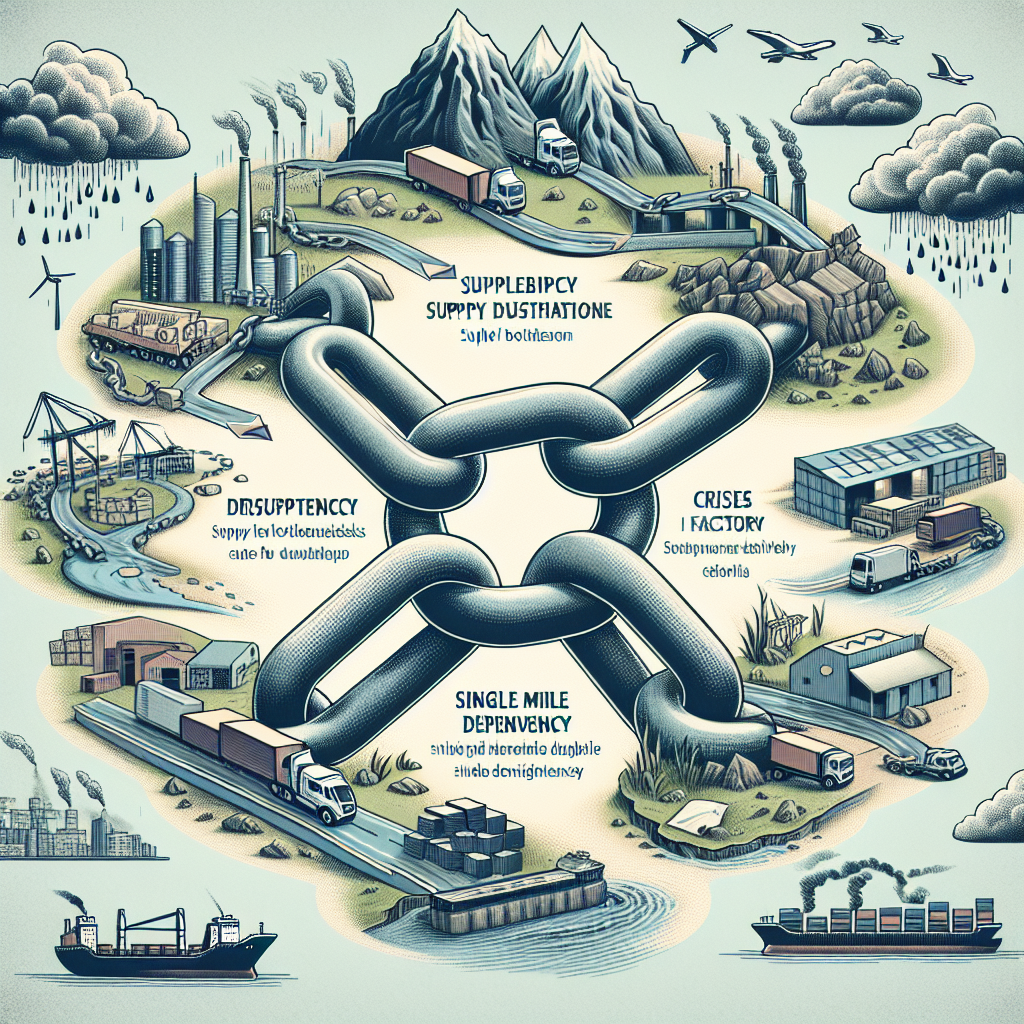
The compounding effects of the COVID-19 pandemic, the Red Sea shipping crisis, and semiconductor shortages have permanently altered how executives think about risk. A 2024 Gartner survey found that 89% of supply chain leaders increased resilience investments over the prior two years, prioritizing visibility and redundancy over pure cost efficiency. Resilience is no longer a contingency plan — it is a core competitive differentiator.
Leading enterprises are now embedding resilience into every layer of their operations, from tier-1 suppliers down to raw material sources. This shift requires integrating data, automation, and governance frameworks that can respond dynamically to real-world disruptions. Companies like Unilever and Schneider Electric have publicly reported that resilience-first design reduced their average disruption impact costs by 30% or more.
Key Points
● 89% of supply chain leaders increased resilience investments in 2024 (Gartner)
● Resilience now spans multi-tier supplier networks, not just tier-1 relationships
● Cost savings of 30%+ in disruption impact reported by leading enterprises
Supply Chain Digital Twins: Building a Virtual Mirror of Your Network
Supply chain digital twins create real-time virtual replicas of physical supply networks, enabling organizations to simulate disruptions before they occur and model recovery scenarios with precision. Gartner predicts that by 2026, more than 50% of large global manufacturers will use digital twins as part of their supply chain planning infrastructure. Platforms like Llamasoft and o9 Solutions are already powering these capabilities for Fortune 500 companies.
A practical example comes from Ford Motor Company, which deployed a supply chain digital twin to map over 10,000 supplier nodes globally. When a key semiconductor plant in Taiwan faced production disruption in 2023, Ford’s twin model identified 11 alternative sourcing paths within hours, avoiding a potential $300 million production halt. This kind of scenario modeling is the hallmark of a mature digital twin deployment.
Digital twins also enable what analysts call “continuous stress-testing” — running hundreds of disruption scenarios simultaneously to identify hidden vulnerabilities. Organizations can model the cascading effects of a port closure, a freight capacity shortage, or a sudden demand spike without touching live operations. This capability is fundamentally changing how supply chain risk management teams operate.
Key Points
● Digital twins enable pre-disruption scenario modeling across entire supplier networks
● Ford identified 11 alternative sourcing paths in hours using digital twin technology
● Over 50% of large manufacturers expected to adopt digital twins by 2026 (Gartner)
Real-Time Chokepoint Tracking and Multi-Tier Supplier Visibility
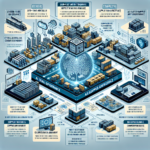
Real-time chokepoint tracking focuses on monitoring high-risk nodes in global trade routes — including ports, rail hubs, and border crossings — where bottlenecks most frequently emerge. Tools like project44 and FourKites aggregate data from carriers, IoT sensors, and satellite feeds to provide live disruption intelligence across these critical junctions. This data layer is foundational to any modern supply chain resilience strategy.
Pairing chokepoint tracking with multi-tier supplier visibility gives organizations a complete picture of their supply risk exposure beyond first-tier partners. Research from the MIT Center for Transportation and Logistics shows that 70% of supply chain disruptions originate at tier-2 or tier-3 suppliers, yet most companies have visibility only into tier-1 relationships. Platforms like Resilinc and Elementum now offer automated mapping of up to five supplier tiers, flagging risk events in near real-time.
The practical impact is significant: a major automotive OEM using multi-tier visibility tools discovered that three of its tier-3 resin suppliers were located within 50 miles of a flood-prone industrial zone in Southeast Asia. Armed with this insight six months before monsoon season, the OEM pre-positioned buffer inventory and negotiated backup supplier contracts, avoiding a $120 million production loss. For more on building multi-tier supplier visibility, BestInSupplies.com offers practical frameworks and tool comparisons.
Key Points
● 70% of disruptions originate at tier-2 or tier-3 suppliers (MIT CTL)
● Real-time chokepoint tracking combines IoT, satellite, and carrier data
● Multi-tier visibility tools can map up to five supplier tiers with automated risk flagging
Zero-Touch Logistics Orchestration: Automating the Response Layer
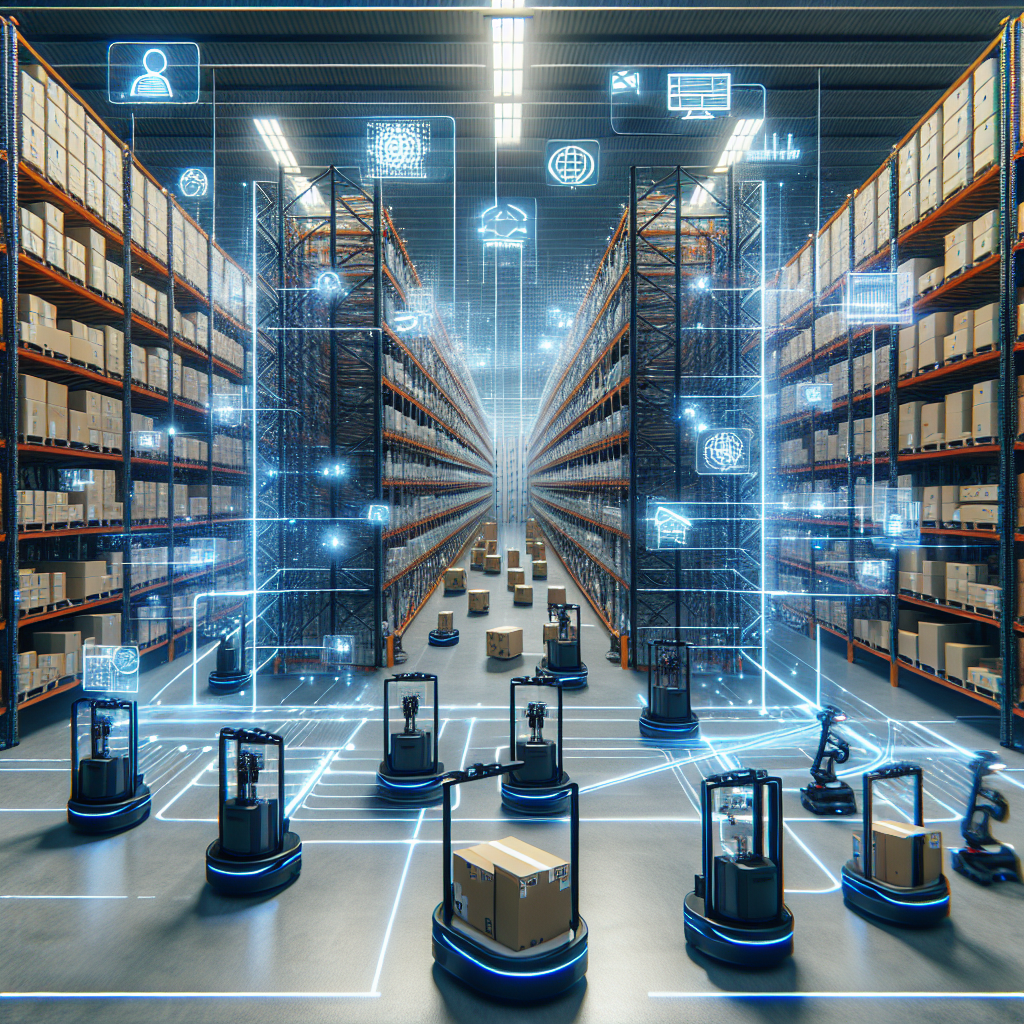
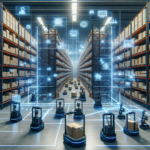
Zero-touch logistics orchestration refers to the automated, rules-based execution of logistics decisions — carrier selection, route switching, and exception management — without requiring human intervention at each step. In 2025, this is enabled by a combination of AI, machine learning, and digital workflow engines that respond to disruption signals in milliseconds rather than hours. DHL Supply Chain and XPO Logistics have both reported operational cost reductions of 15–22% from deploying zero-touch orchestration frameworks.
The architecture typically involves three layers: a data ingestion layer that pulls from tracking platforms and ERP systems, a decision engine powered by AI that evaluates options against predefined KPIs, and an execution layer that triggers carrier APIs, warehouse management systems, and customer notifications automatically. When a port dwell time alert crosses a defined threshold, the system can autonomously reroute a shipment, update delivery ETAs, and notify downstream stakeholders — all without human touchpoints. This dramatically compresses response time during high-pressure disruption events.
Key Points
● Zero-touch orchestration automates carrier selection, rerouting, and exception management
● DHL and XPO report 15–22% cost reductions from orchestration deployment
● Three-layer architecture: data ingestion, AI decision engine, and automated execution
AI Governance in Supply Chain: Ensuring Accountability and Accuracy
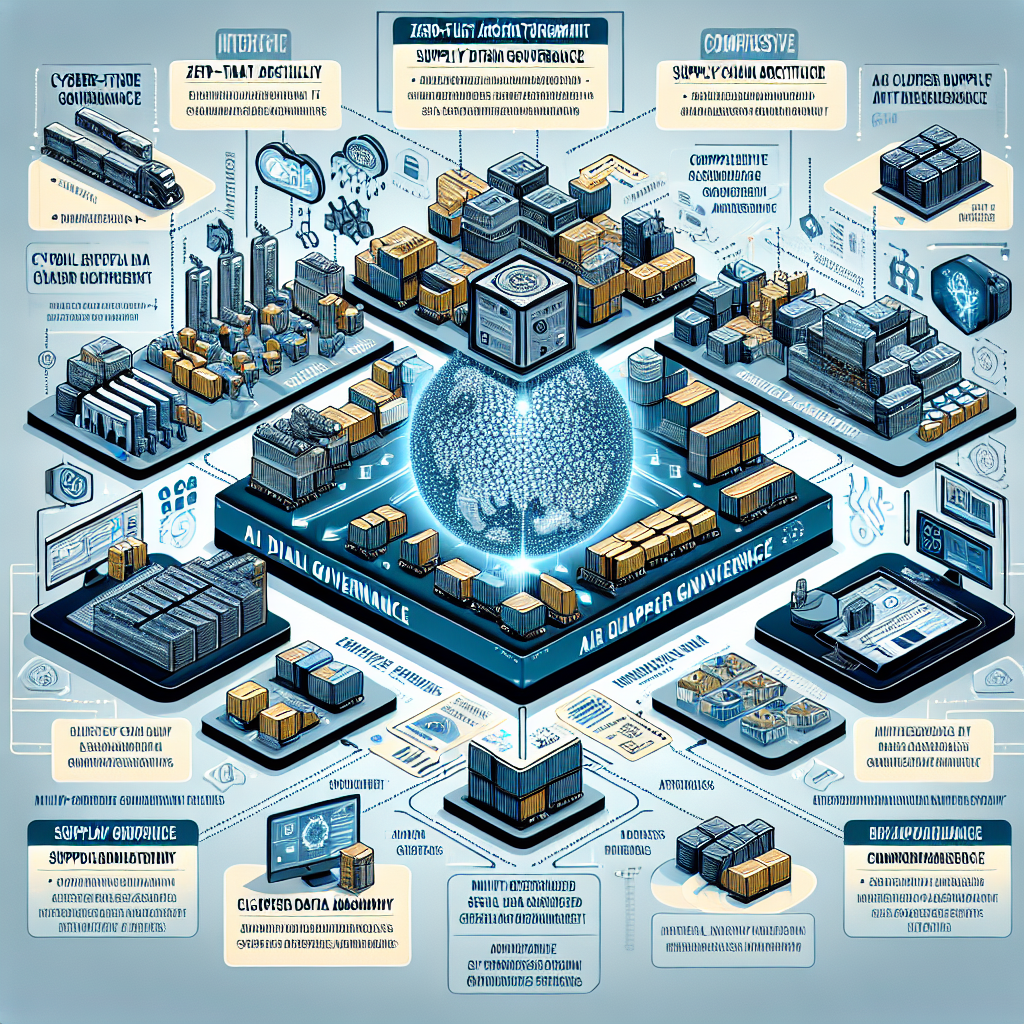
As AI becomes embedded in supply chain decision-making, AI governance in supply chain has become a critical discipline. Without proper governance, AI models can amplify biases, make opaque decisions, and generate recommendations that violate regulatory or ethical standards. The EU AI Act, which began phased enforcement in 2024, specifically classifies supply chain AI tools used in critical infrastructure as high-risk systems requiring documented oversight, explainability, and human-in-the-loop controls.
Effective AI governance frameworks for supply chains include model transparency requirements, regular bias audits, performance drift monitoring, and clear escalation protocols when AI recommendations deviate from expected parameters. Companies like IBM and SAP have embedded governance dashboards directly into their supply chain AI platforms, allowing compliance teams to audit decision trails and override automated actions. A 2024 Deloitte survey found that only 34% of supply chain AI deployments had a formal governance policy in place — a significant gap given regulatory momentum.
Governance also extends to data provenance: knowing where AI training data originated, how it was labeled, and whether it reflects current market conditions. Supply chain AI models trained on pre-pandemic data, for example, systematically underestimate demand volatility, leading to chronic inventory positioning errors. Read more on evaluating AI tools for supply chain operations at BestInSupplies.com.
Key Points
● EU AI Act classifies supply chain AI in critical infrastructure as high-risk
● Only 34% of supply chain AI deployments have a formal governance policy (Deloitte, 2024)
● Data provenance and model drift monitoring are core governance requirements
Key Takeaways
Supply chain resilience in 2025 demands an integrated approach that combines advanced technology with disciplined governance. Organizations that align digital twins, real-time visibility, intelligent automation, and AI accountability will be best positioned to absorb disruptions and sustain competitive advantage.
● Supply chain digital twins enable pre-disruption scenario modeling and reduce response time from days to hours
● Real-time chokepoint tracking and multi-tier supplier visibility close the blind spots where most disruptions originate
● Zero-touch logistics orchestration automates exception handling, reducing operational costs and human latency
● AI governance in supply chain is now a regulatory requirement, not just a best practice
● Resilience strategies that integrate all four capabilities consistently outperform reactive, siloed approaches
For deeper insights on supply chain tools, vendor comparisons, and operational frameworks, visit BestInSupplies.com — your trusted resource for supply chain excellence.