





The Rise of AI-Powered Demand Forecasting in Modern Supply Chains
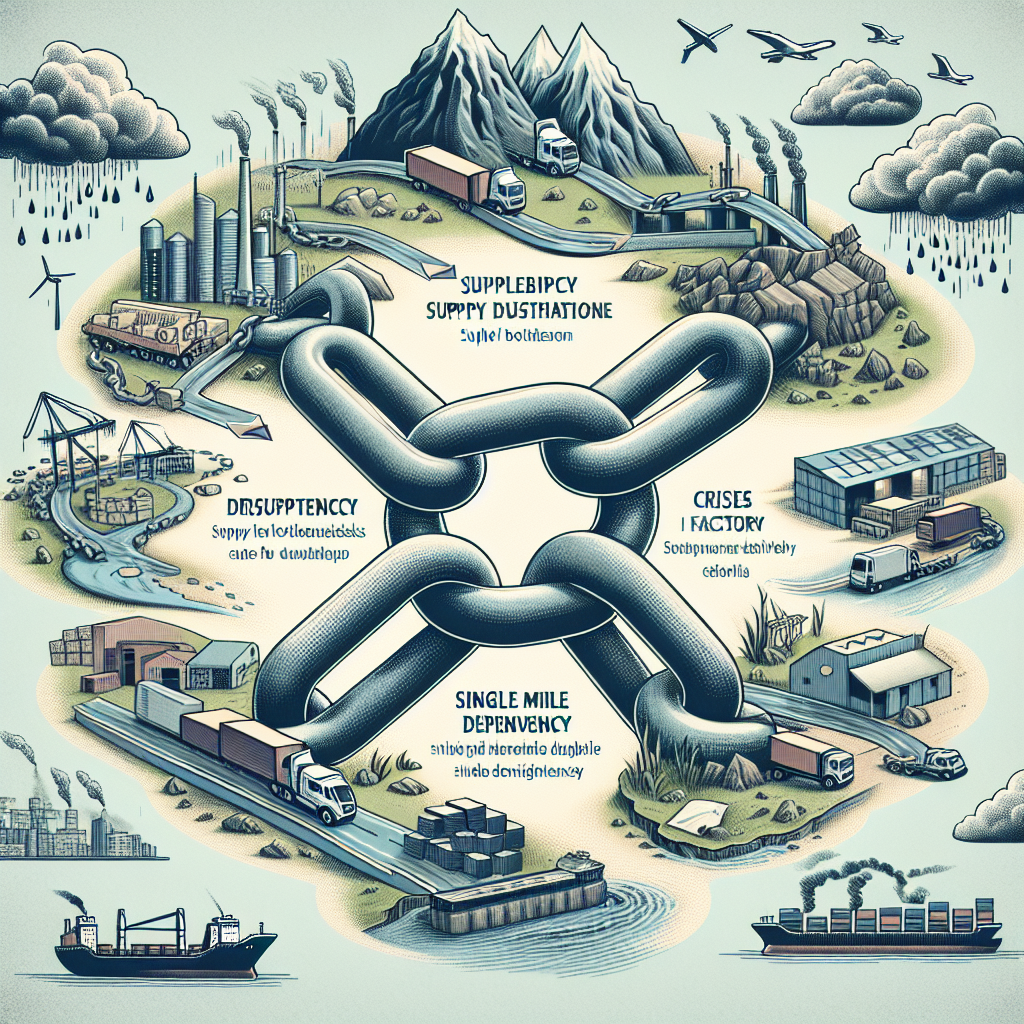
Supply chain disruptions have cost businesses an estimated $4 trillion in lost revenue over the past five years, according to McKinsey & Company. As global markets grow more volatile and consumer behavior becomes harder to predict, companies are turning to AI-powered demand forecasting to stay ahead. Combined with continuous S&OP planning, these technologies are fundamentally reshaping how organizations manage inventory, reduce costs, and respond to market shifts in real time.
What Is AI-Powered Demand Forecasting?
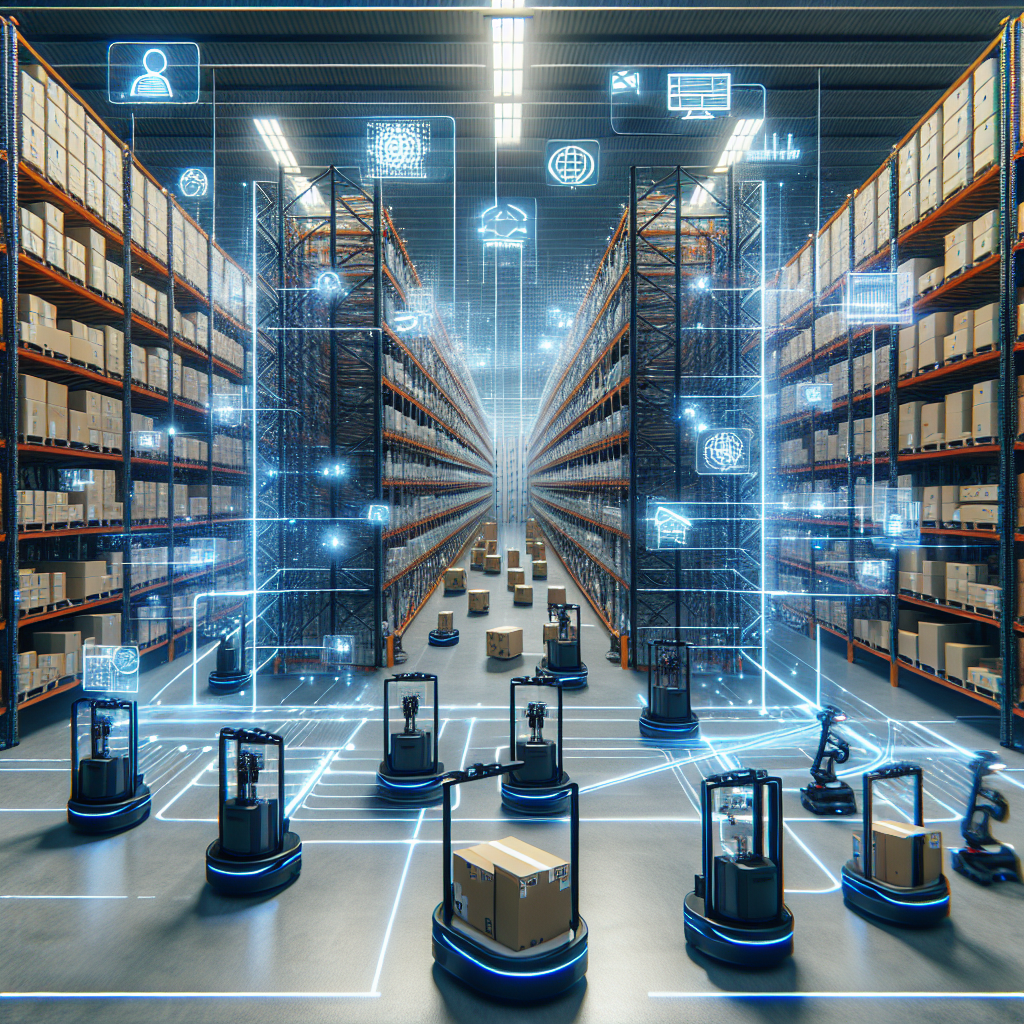
Demand forecasting has traditionally relied on historical sales data and static spreadsheet models — a method that simply cannot keep pace with today’s dynamic supply environments. AI-powered demand forecasting replaces these outdated approaches with machine learning algorithms that analyze hundreds of variables simultaneously, including weather patterns, social media trends, geopolitical events, and supplier lead times.
Leading companies like Amazon and Walmart have deployed AI-driven forecasting models that achieve accuracy rates of over 90%, compared to the industry average of 70–80% using traditional methods. These improvements translate directly into reduced overstock, fewer stockouts, and significant savings in carrying costs.
● AI models process real-time data streams that static forecasting tools cannot handle
● Accuracy improvements of 10–20 percentage points reduce costly inventory imbalances
● Machine learning continuously refines predictions as new data becomes available
How Continuous S&OP Planning Amplifies Forecasting Accuracy
Continuous S&OP planning moves beyond the traditional monthly review cycle, enabling businesses to align sales, operations, and finance teams on a rolling, near-real-time basis. When integrated with AI forecasting tools, this approach allows organizations to respond to demand signals within hours rather than weeks, dramatically improving agility.
For example, a global consumer goods manufacturer that adopted continuous S&OP planning alongside AI forecasting reported a 35% reduction in forecast error and a 25% decrease in safety stock levels within 18 months. The integration of live data from point-of-sale systems, logistics partners, and supplier networks gave planners an unprecedented view of the entire supply chain.
● Continuous S&OP eliminates the lag between demand signals and operational response
● Real-time cross-functional alignment reduces decision bottlenecks
● Companies report measurable inventory reductions within the first year of adoption
Supply Chain Analytics: The Engine Behind Smarter Decisions
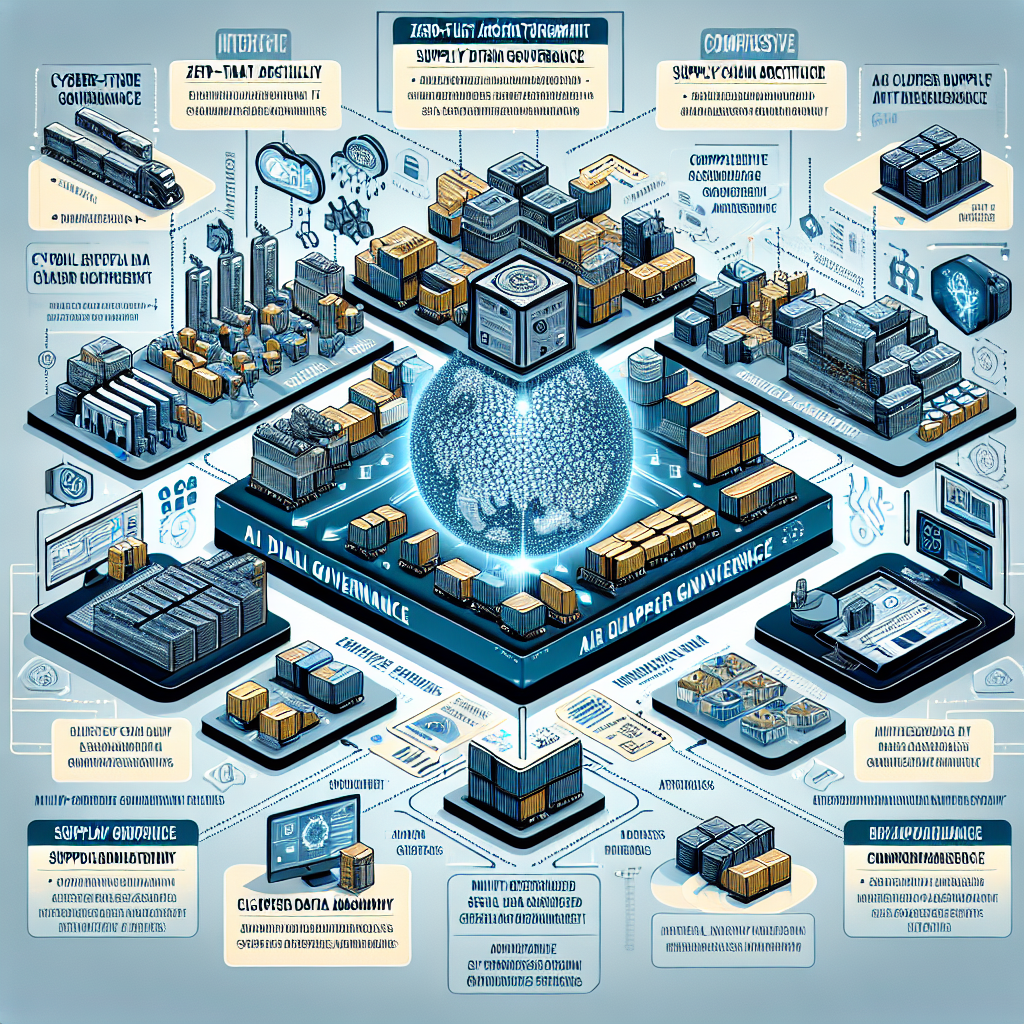
Advanced supply chain analytics platforms serve as the backbone for both AI forecasting and continuous S&OP, aggregating data from ERP systems, IoT sensors, and third-party logistics providers into a single, actionable dashboard. Tools such as o9 Solutions and Kinaxis RapidResponse are widely adopted by Fortune 500 companies for this purpose.
The power of supply chain analytics lies in its ability to surface patterns that human planners would never detect manually. Predictive analytics engines can flag potential supplier disruptions weeks in advance, enabling procurement teams to source alternative vendors before a shortage occurs.
● Integrated analytics platforms unify data from across the entire supply network
● Predictive analytics provide early warning of disruptions before they escalate
● Dashboards empower both strategic and operational decision-making teams
Lead Time Reduction: A Critical Outcome of AI-Driven Planning
Lead time reduction is one of the most tangible benefits organizations achieve when they combine AI forecasting with continuous S&OP planning. By predicting demand spikes earlier and automating replenishment triggers, companies can shorten procurement and production lead times by 20–40%, according to a 2023 Gartner Supply Chain study.
Lead time reduction also has a cascading effect on customer satisfaction and competitive positioning. Faster fulfillment cycles allow businesses to offer shorter delivery windows, respond more flexibly to custom orders, and maintain leaner inventories without sacrificing service levels. You can explore more about optimizing your procurement timelines at BestInSupplies.com.
● AI-driven replenishment automation can reduce lead times by up to 40%
● Shorter lead times directly improve customer satisfaction and order fill rates
● Leaner inventory levels lower working capital requirements across the supply chain
Key Takeaways
The convergence of AI-powered demand forecasting, continuous S&OP planning, and advanced supply chain analytics is no longer a future aspiration — it is the new competitive baseline for resilient, high-performing supply chains. Organizations that invest in these capabilities today will be better positioned to navigate uncertainty, reduce costs, and serve customers more effectively.
● AI-powered demand forecasting delivers accuracy rates of 90%+ compared to 70–80% for traditional methods
● Continuous S&OP planning enables near-real-time alignment across sales, operations, and finance
● Supply chain analytics platforms unify disparate data sources into actionable intelligence
● Lead time reduction of 20–40% is achievable through AI-driven planning and automated replenishment
● Early adopters of these technologies gain measurable advantages in inventory efficiency and customer service
Ready to take your supply chain strategy to the next level? Visit BestInSupplies.com for expert insights, product comparisons, and resources on demand forecasting tools, S&OP software, and supply chain optimization strategies tailored to your industry.