






Supply chain disruption has moved from an occasional business headache to a defining strategic challenge. Whether triggered by a global pandemic, a geopolitical conflict, or a single supplier failure, the ripple effects can halt production, erode margins, and damage customer trust in days.
Understanding Supply Chain Vulnerability and Fragility
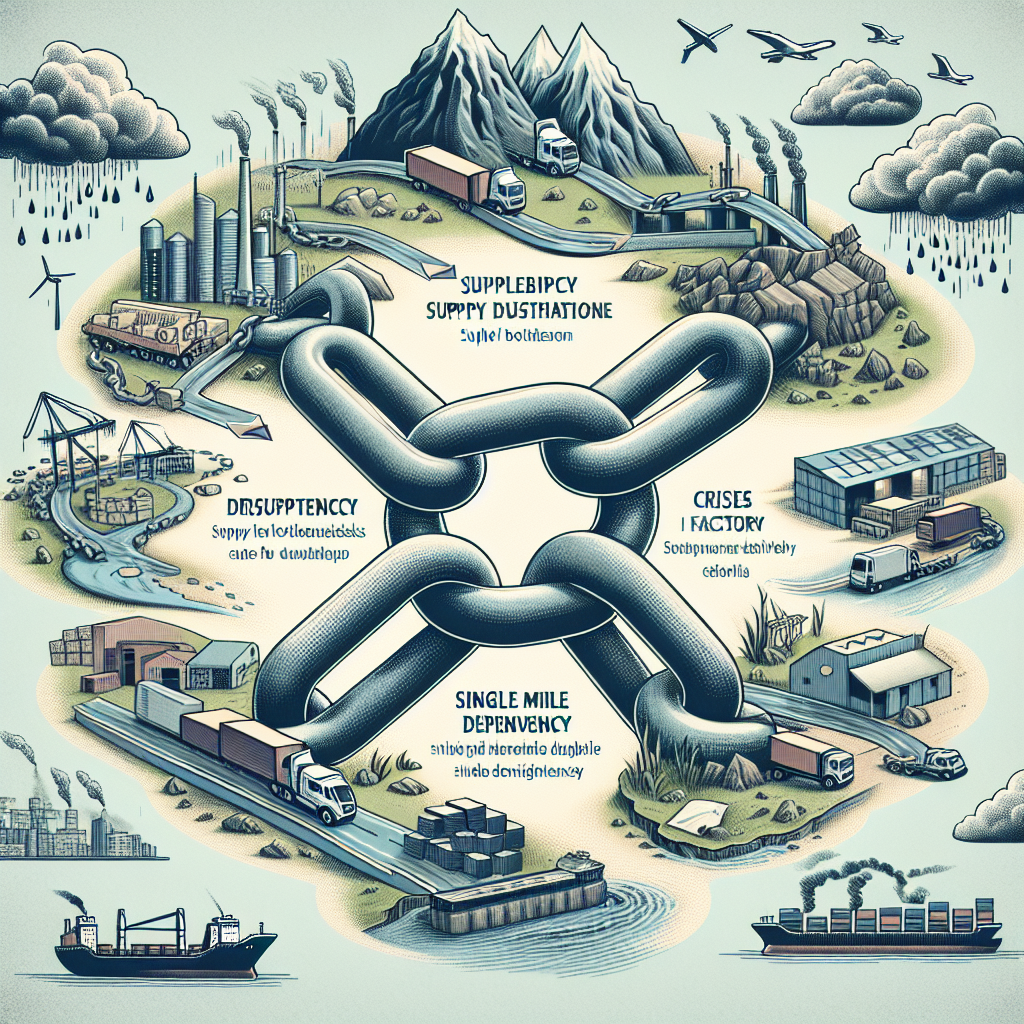
Supply chain vulnerability often hides in plain sight. Many organizations unknowingly rely on single source dependency for critical components, meaning one supplier failure can cascade into a full supply chain crisis with no fallback position.
A striking example came during the 2021 global semiconductor shortage, when automotive giants like Ford and General Motors were forced to halt production lines due to a raw material shortage affecting chip supply. According to McKinsey & Company, companies that had not mapped their supplier networks beyond the first tier were blindsided, losing billions in revenue. Supply chain fragility is rarely visible until a shock arrives.
Mapping every node of your supply network, including sub-suppliers and logistics partners, is the essential first step. Tools like supply chain risk management software can reveal hidden dependencies before they become critical failures.
Key Points
Single source dependency is one of the most common and dangerous supply chain vulnerabilities.
Supply chain fragility often remains invisible without deliberate network mapping.
Early risk identification is the foundation of any resilience strategy.
Common Sources of Supply Chain Disruption
Supply chain disruption rarely comes from a single cause. Today’s risks span a wide spectrum, from logistics disruption and port congestion to extreme weather events and labor shortages, each capable of creating a paralyzing supply chain bottleneck.
The 2021 Suez Canal blockage, caused by the grounded container ship Ever Given, disrupted an estimated $9.6 billion worth of goods per day, according to BBC News. This single incident exposed how transportation bottlenecks in a critical maritime route could trigger freight delays across global industries for weeks. Cold chain disruption presents an equally severe threat, particularly in pharmaceuticals and food, where temperature deviations can render entire shipments unsalvageable.
Last mile delivery problems represent the final frontier of disruption risk, often underestimated because they occur closest to the customer. Urban congestion, driver shortages, and address inaccuracies continue to inflate costs and erode delivery reliability, making last mile resilience a growing operational priority.
Key Points
Port congestion and freight delays can paralyze supply chains far beyond the immediate disruption zone.
Cold chain disruption requires specialized monitoring and redundancy planning.
Last mile delivery problems directly impact customer satisfaction and brand reputation.
Building a Robust Supply Chain Risk Management Framework
Effective supply chain risk management requires moving from reactive firefighting to proactive scenario planning. Organizations should conduct regular supply chain audits, stress-test their logistics networks, and establish clear trigger points for activating contingency protocols.
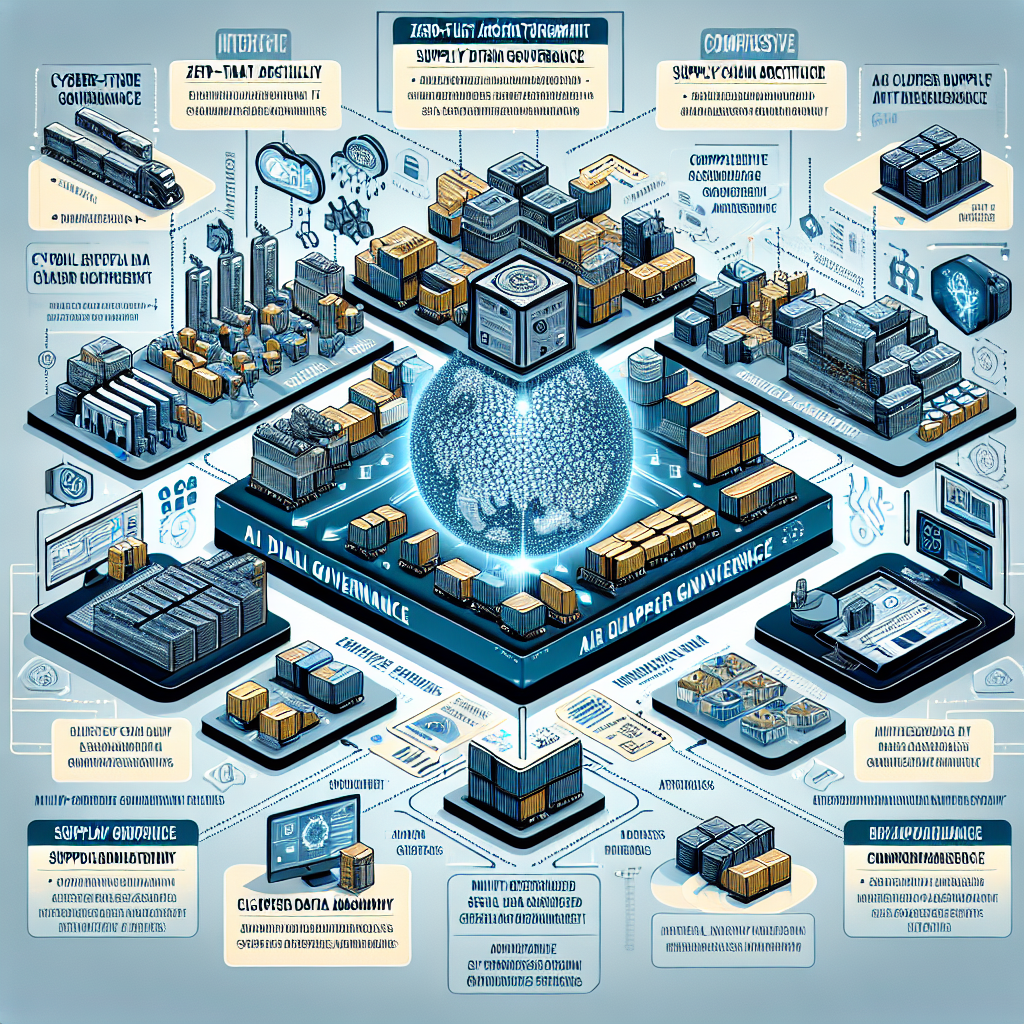
Leading companies are investing in supply chain control towers, centralized platforms that provide real-time visibility across procurement, manufacturing, and fulfillment. According to Gartner, organizations with high supply chain visibility were 2.5 times more likely to respond effectively to disruptions compared to those operating with limited data. Reducing supply shortage exposure through strategic inventory buffers and dual sourcing strategies has proven equally valuable.
A well-structured risk management framework should include supplier financial health monitoring, geopolitical risk assessments, and regular business continuity plan reviews. Diversification across suppliers and geographies remains one of the most reliable defenses against a supply chain shock.
Key Points
Real-time supply chain visibility significantly improves disruption response times.
Dual sourcing strategies reduce single source dependency and supply shortage risk.
Regular business continuity reviews keep risk management frameworks current and actionable.
Strategies to Achieve True Supply Chain Resilience
Supply chain resilience is not simply about recovering from disruption; it is about absorbing shocks while maintaining operational continuity. The most resilient supply chains are built on a combination of flexibility, redundancy, and intelligent data use.
Companies like Apple have demonstrated that long-term supplier relationship investment, combined with nearshoring and regional manufacturing hubs, can dramatically reduce exposure to global supply chain crises. Nearshoring shortens lead times, reduces freight delays, and lessens dependency on complex international logistics networks that are prone to port congestion and transportation bottlenecks. For a deeper look at sourcing and procurement strategies, explore our procurement strategies resource hub at BestInSupplies.com.
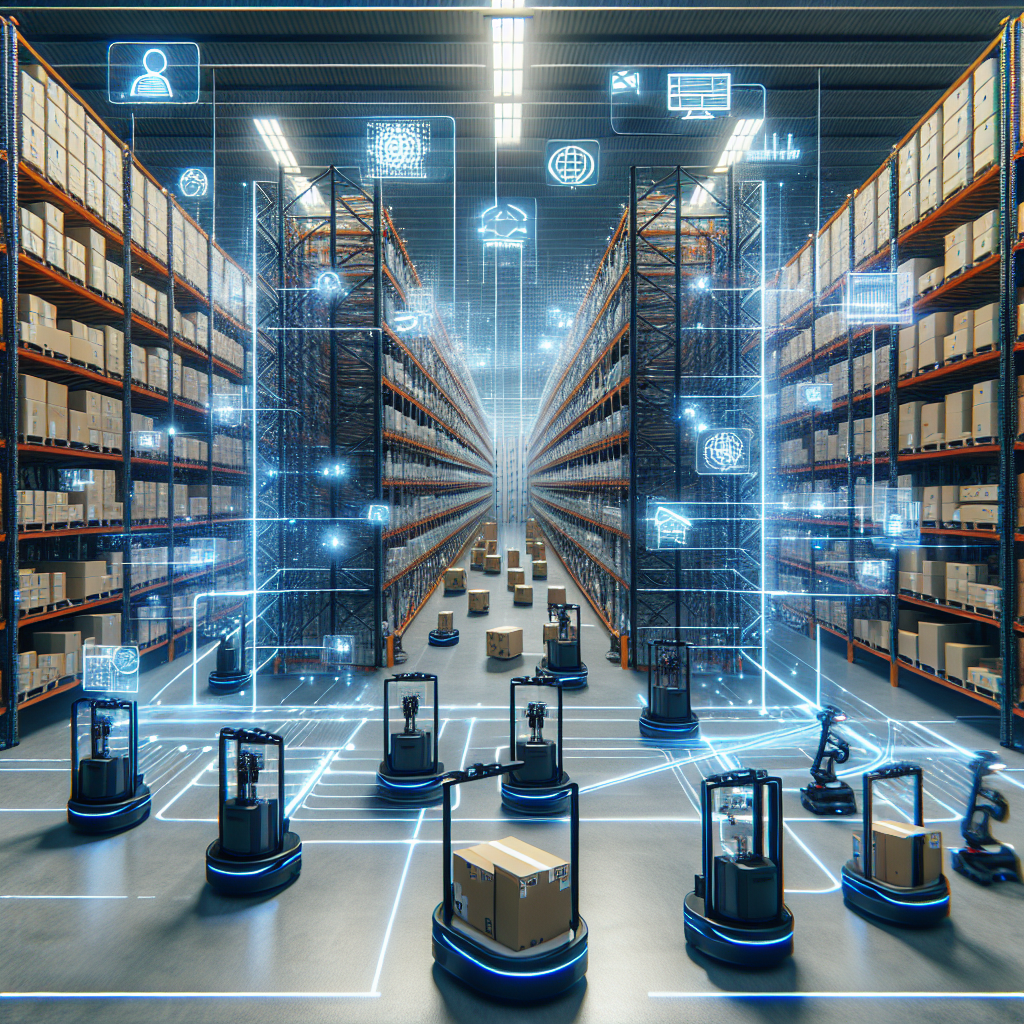
Technology investments in AI-driven demand forecasting, blockchain-enabled supplier transparency, and IoT-based shipment tracking are accelerating the shift toward proactive resilience. These tools help businesses anticipate supply chain bottlenecks and reallocate resources before disruptions reach critical levels.
Key Points
True supply chain resilience combines flexibility, redundancy, and real-time data intelligence.
Nearshoring and regional sourcing reduce logistics disruption and freight delay exposure.
AI and IoT technologies enable faster, more accurate disruption response.
Key Takeaways
Supply chain disruption is a strategic risk that demands proactive, systematic management rather than reactive crisis response.
Identifying supply chain vulnerability requires mapping your full supplier network, including sub-tier suppliers and logistics partners.
Common disruption sources include port congestion, raw material shortage, supplier failure, and last mile delivery problems.
A strong supply chain risk management framework incorporates real-time visibility, dual sourcing, and regular stress testing.
Building supply chain resilience is an ongoing investment in flexibility, diversification, and technology-driven intelligence.
Want to strengthen your supply chain strategy further? Explore expert guides, supplier comparison tools, and procurement resources at BestInSupplies.com, your trusted source for smarter supply chain decisions.
“`