






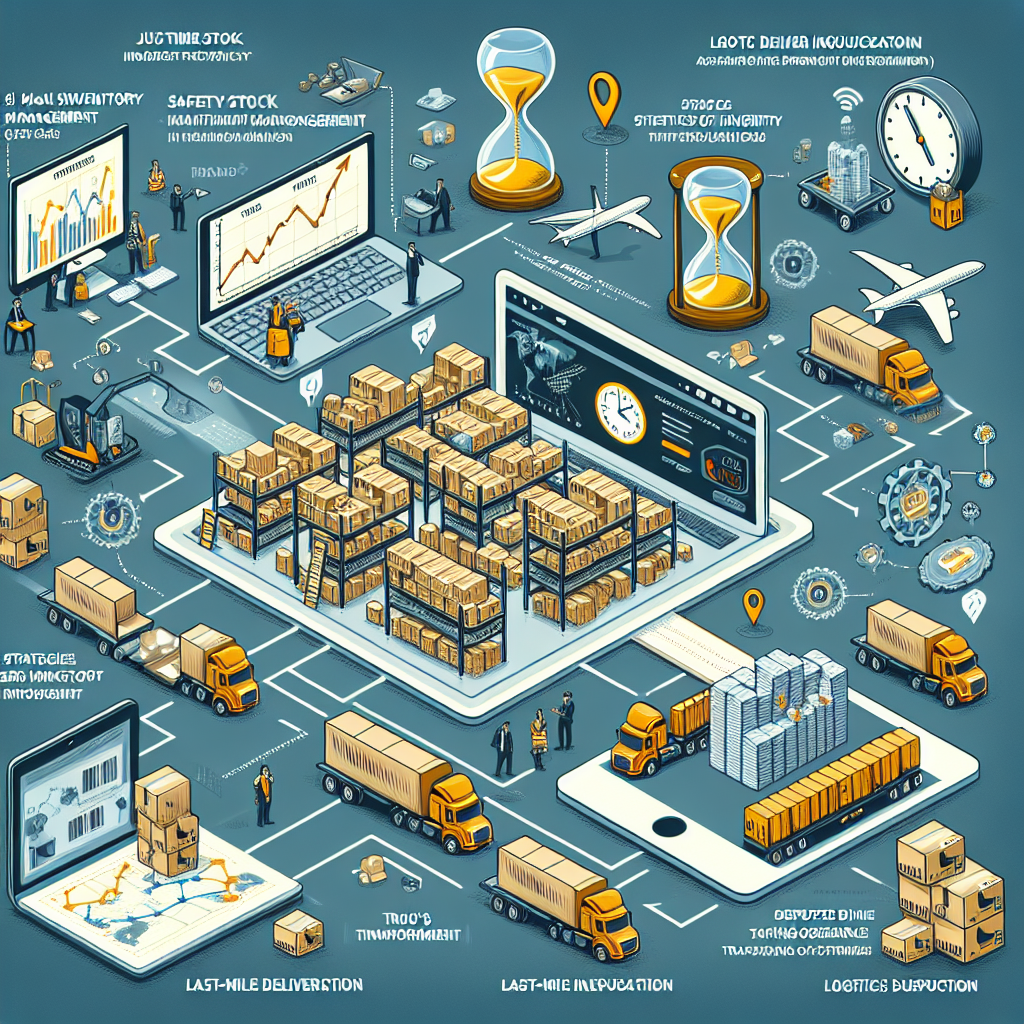
If you’ve felt the pressure of delayed shipments, empty shelves, or unpredictable supplier timelines lately, you’re not alone. Businesses of every size are wrestling with the ripple effects of global supply chain instability — and the ones coming out ahead aren’t just getting lucky. They’re using smarter tools and strategies to stay resilient. This guide breaks down how the right inventory management software can be your best defense against a shipping disruption before it turns into a full-blown crisis.
Why Shipping Disruptions Are the New Normal
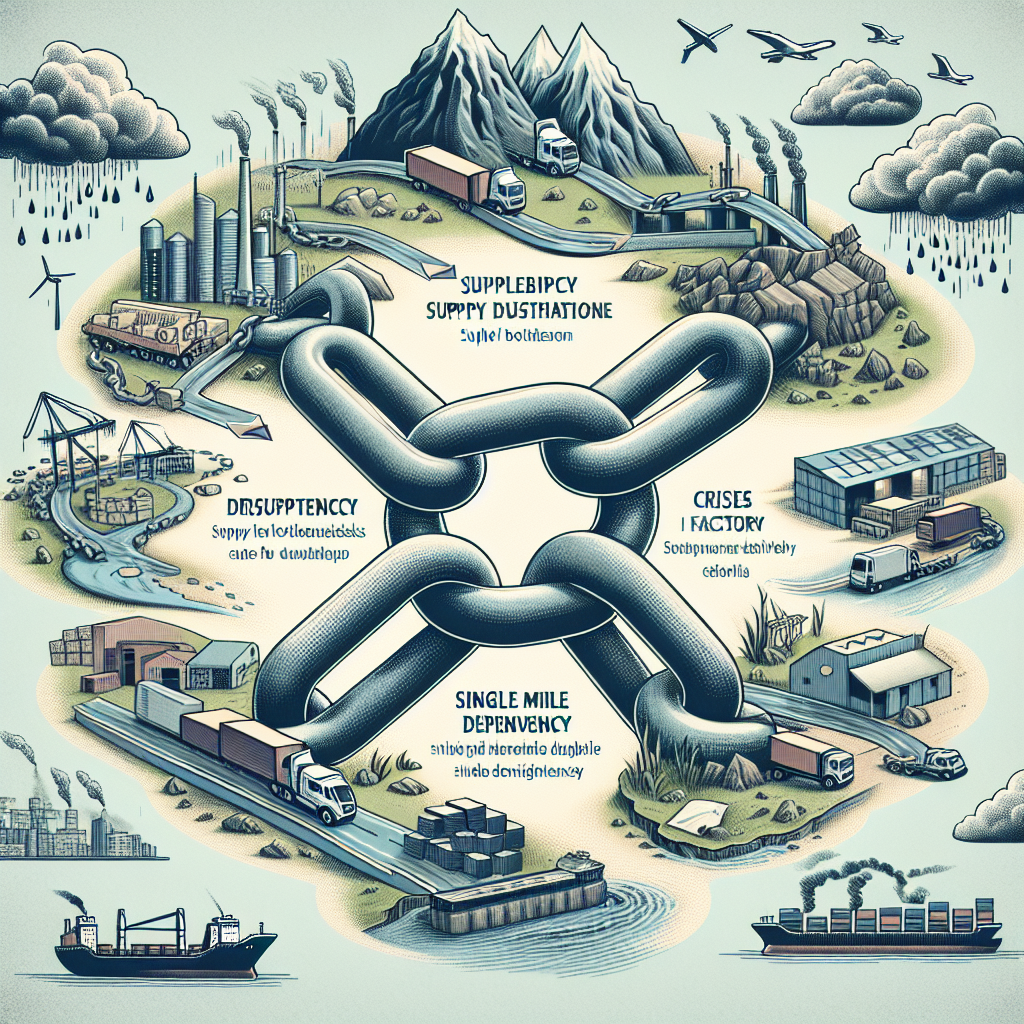
From port congestion to extreme weather events and geopolitical tensions, logistics disruption has become a recurring headache rather than a rare exception. A single delayed container can trigger a cascade of stockouts, missed deadlines, and frustrated customers across an entire supply chain.
According to a McKinsey report, supply chain disruptions now cost companies an average of 45% of one year’s profits over a decade. That’s not a number you can afford to ignore, no matter your industry.
Key Points
● Shipping disruptions are increasingly frequent and costly across global industries
● A single bottleneck can ripple through your entire supply network
● Proactive tools beat reactive fixes every time
The Hidden Risks of Just-in-Time Inventory
For years, just-in-time inventory was the gold standard — minimize stockpiles, cut carrying costs, and keep things lean. But the just-in-time inventory risks became painfully obvious when global supply chains seized up and businesses with razor-thin buffers suddenly had nothing to sell.
Take the automotive industry as a concrete example: during the semiconductor shortage, manufacturers running pure just-in-time models were forced to halt production lines for weeks, costing billions in lost output. The lesson here isn’t to abandon efficiency — it’s to pair it with smarter buffers and better visibility tools.
Key Points
● Just-in-time works great until a disruption hits — then it fails fast
● Industries like automotive and electronics are especially vulnerable
● Balancing leanness with strategic reserves is the modern approach
Building a Smart Safety Stock Strategy
A solid safety stock strategy doesn’t mean hoarding inventory — it means holding the right amount of buffer stock based on real demand signals and supplier reliability data. Modern inventory management software can calculate dynamic safety stock levels automatically, adjusting in real time as conditions change.
For example, a mid-sized e-commerce retailer using demand forecasting tools can identify which SKUs carry the highest risk during peak seasons and pre-position stock accordingly. This approach helped one consumer goods brand reduce stockouts by 30% while actually lowering overall inventory carrying costs by eliminating slow-moving dead stock.
Key Points
● Safety stock should be dynamic, not a fixed number pulled from thin air
● Good software uses real data — demand variance, lead times, supplier history
● The goal is fewer stockouts without bloated warehouse costs
How Warehouse Management Keeps Your Operation Agile
Solid warehouse management is the backbone of any disruption-resilient business. When goods do arrive — sometimes all at once after a delay — your warehouse needs to receive, sort, and fulfill orders without missing a beat.
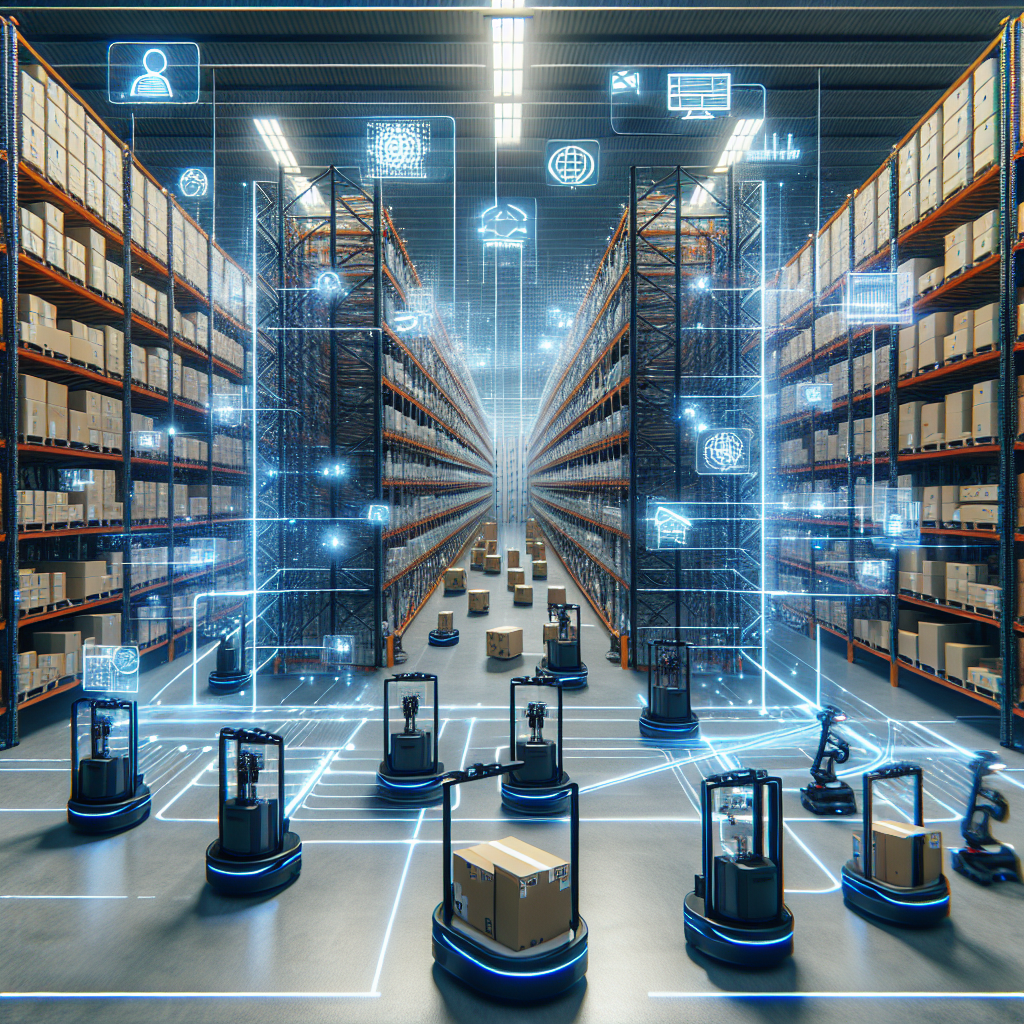
Advanced warehouse management systems (WMS) coordinate everything from receiving dock assignments to pick-and-pack workflows, dramatically reducing the time between a product arriving and an order shipping out. Platforms like Fishbowl or NetSuite WMS offer real-world examples of how integrated warehouse tools keep fulfillment running smoothly under pressure. You can also explore related tools and product comparisons on BestInSupplies.com.
Key Points
● A strong WMS helps you handle irregular inbound shipments gracefully
● Integration between warehouse and inventory systems eliminates blind spots
● Faster receiving and fulfillment cycles reduce the downstream impact of delays
Real-Time IoT Inventory Tracking: Your Early Warning System
Real-time IoT inventory tracking is changing the game for businesses that need live visibility across their supply chain. By using connected sensors, RFID tags, and smart shelving, companies can monitor stock levels, location, and condition without waiting for manual counts or system updates.
Imagine knowing the moment a pallet of high-demand products leaves a supplier’s dock — and automatically triggering a reorder or rerouting a shipment if something goes off track. That’s the power of IoT-driven inventory systems, and it’s already being used by companies like Amazon and major third-party logistics providers to stay ahead of disruptions before they escalate. For smaller businesses, entry-level IoT tools are now more affordable than ever, making this technology accessible beyond just enterprise players.
Key Points
● IoT tracking gives you live visibility instead of historical snapshots
● Connected systems can trigger automated responses to supply chain events
● Scalable options now exist for businesses of all sizes
Lead Time Reduction: Speed Up Without Sacrificing Stability
Lead time reduction is one of the most powerful levers you can pull to reduce your exposure to logistics disruption. When you shorten the time between ordering and receiving, you gain flexibility — and flexibility is what keeps you in stock when competitors are scrambling.
This can mean diversifying your supplier base geographically, building stronger relationships with regional vendors, or using AI-powered software to identify which SKUs have the longest and most variable lead times so you can prioritize buffers there. According to Gartner’s Supply Chain research, companies that actively manage lead time variability outperform peers on service levels and cost efficiency consistently.
Key Points
● Shorter lead times mean more flexibility when disruptions hit
● Supplier diversification is a proven strategy for reducing lead time risk
● Software can identify your highest-risk SKUs so you can act proactively
Last-Mile Delivery Orchestration: The Final Frontier
All the upstream planning in the world won’t matter if your last-mile delivery orchestration falls apart at the finish line. Last-mile is notoriously the most expensive and unpredictable leg of the delivery journey, accounting for up to 53% of total shipping costs according to industry data.
Smart orchestration platforms route orders dynamically based on carrier performance, traffic, delivery windows, and cost — automatically adjusting when a carrier is overwhelmed or a route is delayed. Brands using these tools have reported measurable improvements in on-time delivery rates even during peak demand surges, which means happier customers and fewer costly re-deliveries. Pairing strong last-mile software with your core inventory management software creates a connected, end-to-end system that keeps your customers informed and your margins protected.
Key Points
● Last-mile accounts for more than half of total delivery costs
● Dynamic orchestration adjusts routes and carriers in real time
● Integration with inventory systems creates a seamless customer experience
Key Takeaways
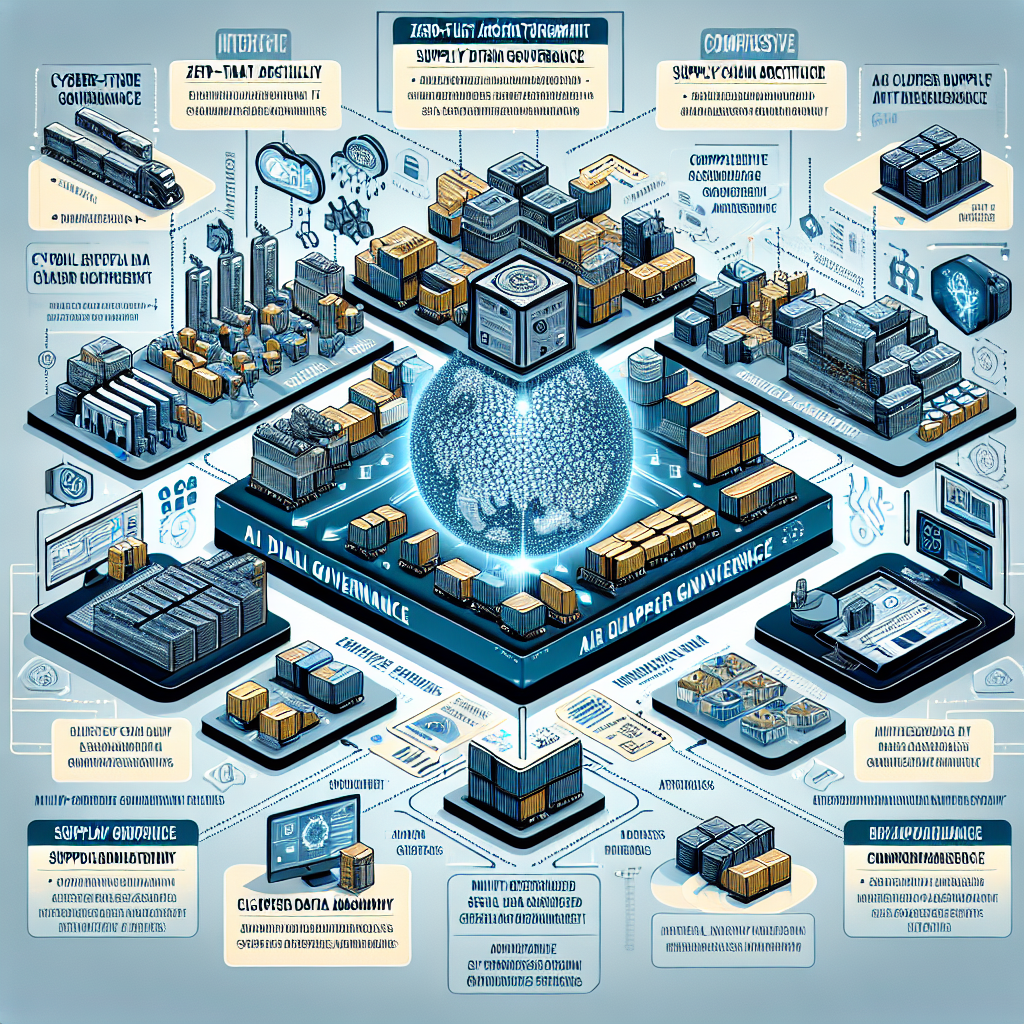
Supply chain resilience isn’t about hoping disruptions won’t happen — it’s about building systems that absorb the shock when they do. Here’s what to keep in mind as you evaluate your current approach:
● Shipping disruptions are unpredictable but manageable with the right tools in place
● A dynamic safety stock strategy beats both over-stocking and pure just-in-time models
● Real-time IoT inventory tracking gives you the visibility to act before small problems become big ones
● Strong warehouse management and lead time reduction practices build operational agility
● Last-mile delivery orchestration ensures your resilience extends all the way to the customer’s door
Want to explore the tools and products that can help you put these strategies into action? Visit BestInSupplies.com for in-depth reviews, comparisons, and expert recommendations on inventory management software, warehouse solutions, and supply chain technology — all in one place.