






The factory floor has come a long way from clipboards and walkie-talkies. Today, a new wave of intelligent infrastructure is quietly transforming how goods move, get tracked, and reach their destination — all with minimal human intervention. Welcome to the era of zero-touch logistics orchestration, where machines talk to machines, decisions happen in milliseconds, and the supply chain practically runs itself.
What Is Zero-Touch Logistics Orchestration?
Zero-touch logistics orchestration refers to the seamless, automated coordination of materials, equipment, and data across a facility — with little to no manual input required. Think of it as a self-managing supply chain ecosystem where every process is connected, every action is triggered by real-time data, and human workers are freed up for higher-value tasks.
At its core, this concept relies on tight integration between software platforms, smart sensors, and physical automation hardware. When these systems talk to each other fluently, you get a logistics operation that can adapt on the fly — rerouting inventory around a bottleneck, adjusting picking sequences, or flagging maintenance issues before they cause downtime.
● Zero-touch logistics reduces manual touchpoints across receiving, sorting, and fulfillment workflows
● It depends on real-time data synchronization between machines, systems, and control software
● The goal is adaptability and speed, not just automation for automation’s sake
Autonomous Mobile Robots AMR: The Muscle Behind the Movement
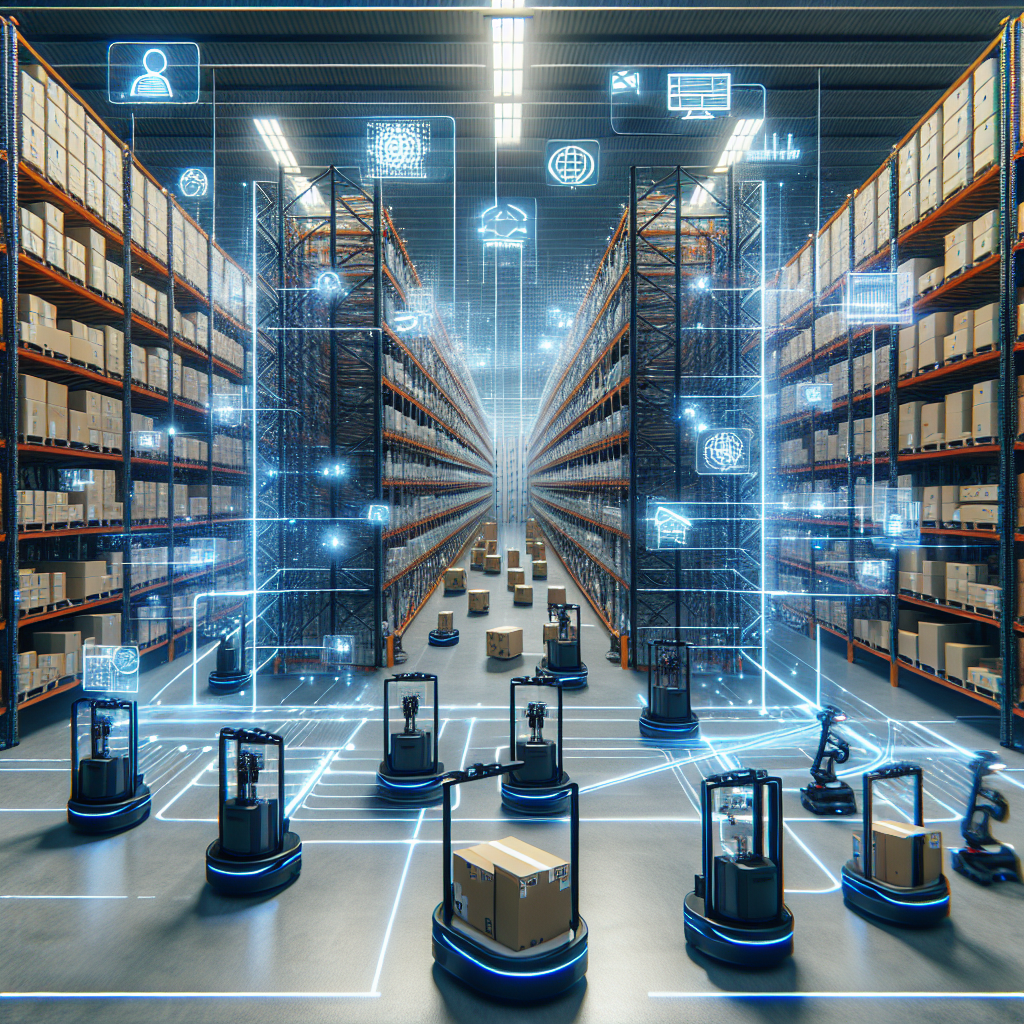
Autonomous mobile robots (AMR) are one of the most visible building blocks of zero-touch logistics. Unlike their older cousins — automated guided vehicles (AGVs) that follow fixed tracks — AMRs use onboard sensors, cameras, and AI to navigate dynamically. They can dodge obstacles, recalculate routes, and collaborate with other robots in real time.
Companies like Amazon Robotics and Locus Robotics have demonstrated how fleets of AMRs can dramatically cut order fulfillment times. Amazon, for example, reportedly reduced its fulfillment cycle time by up to 75% in facilities where AMR fleets were deployed at scale. That’s not just an efficiency gain — it’s a competitive advantage that reshapes what customers expect from delivery speed.
What makes autonomous mobile robots (AMR) particularly exciting in an Industry 4.0 smart factory context is their ability to be reprogrammed and redeployed without physical infrastructure changes. Need to reconfigure your warehouse layout? Just update the map in the fleet management software. That flexibility is gold in high-SKU, fast-moving environments.
● AMRs navigate dynamically using AI and sensors, unlike track-bound AGVs
● Fleet-scale AMR deployment can reduce fulfillment cycle times by up to 75%
● Reprogrammable navigation means warehouse layouts can shift without major capital investment
Warehouse Edge Computing: Why the Cloud Isn’t Always Fast Enough
Here’s the thing about cloud computing — it’s powerful, but it has latency. When a robot needs to make a split-second navigation decision or a conveyor system needs to react to a jam in real time, waiting on a round trip to a distant data center just doesn’t cut it. That’s where warehouse edge computing comes in.
Edge computing pushes processing power closer to the source — directly onto factory-floor hardware, local servers, or even onboard the robots themselves. This dramatically reduces response times. According to Gartner, edge deployments can reduce latency from hundreds of milliseconds in cloud environments to under 10 milliseconds locally. For time-sensitive logistics operations, that difference is everything.
Warehouse edge computing also improves resilience. If your internet connection drops, cloud-dependent systems can grind to a halt. Edge-based systems keep running locally, ensuring that your AMR fleet, conveyor controls, and inventory systems stay live even during network disruptions. It’s a smarter safety net for mission-critical operations.
● Edge computing cuts latency from hundreds of milliseconds to under 10ms locally
● Local processing keeps operations running even when cloud connectivity fails
● On-device and on-premises edge hardware is increasingly standard in modern smart facilities
Industry 4.0 Smart Factory Integration: Connecting the Dots
Industry 4.0 smart factory integration is really the glue that holds everything together. It’s not enough to have great robots or fast edge servers if those systems can’t communicate with each other — and with your ERP, WMS, and MES platforms. True orchestration requires a unified data architecture.
Standards like OPC-UA and MQTT have become common communication protocols for Industry 4.0 smart factory environments, enabling machines from different vendors to share data fluently. Companies like Siemens and Rockwell Automation offer integration platforms that create what’s often called a “digital twin” — a real-time virtual replica of your physical facility that you can use to simulate, monitor, and optimize operations without touching the floor.
The payoff from this level of integration is substantial. A case study from McKinsey & Company found that manufacturers using fully integrated Industry 4.0 architectures saw throughput improvements of 10–20% and maintenance cost reductions of 10–15%. When you layer zero-touch orchestration on top of that, the gains compound.
● OPC-UA and MQTT are leading communication standards for cross-vendor smart factory integration
● Digital twins let operators simulate and optimize operations before making physical changes
● Fully integrated smart factories show 10–20% throughput gains per McKinsey research
Real-World Example: A Warehouse Running on Orchestration
Consider a large-scale e-commerce distribution center that handles tens of thousands of SKUs daily. In a traditional setup, workers walk miles per shift to pick items — a slow, error-prone process. Now imagine that same facility with a fleet of AMRs receiving real-time task assignments from an edge-computing orchestration layer, all synced to a cloud-based WMS.
When an order drops in, the orchestration platform analyzes inventory locations, robot availability, and dock schedules simultaneously — then assigns tasks across the fleet in milliseconds. Edge nodes near each zone handle local robot traffic management, while the central platform maintains a holistic view. The result? Picking accuracy above 99.9% and throughput rates that would have required triple the labor headcount just a decade ago.
This isn’t science fiction — operations like this are already live at facilities run by companies like DHL, Ocado, and Geodis. You can explore how supply chain technologies like these are evaluated and reviewed over at BestInSupplies.com.
● Real deployments at DHL, Ocado, and Geodis demonstrate zero-touch orchestration at scale
● Picking accuracy above 99.9% is achievable with AMR and edge-integrated workflows
● Orchestration platforms make holistic, millisecond-level decisions across entire robot fleets
Challenges and Considerations Before You Deploy
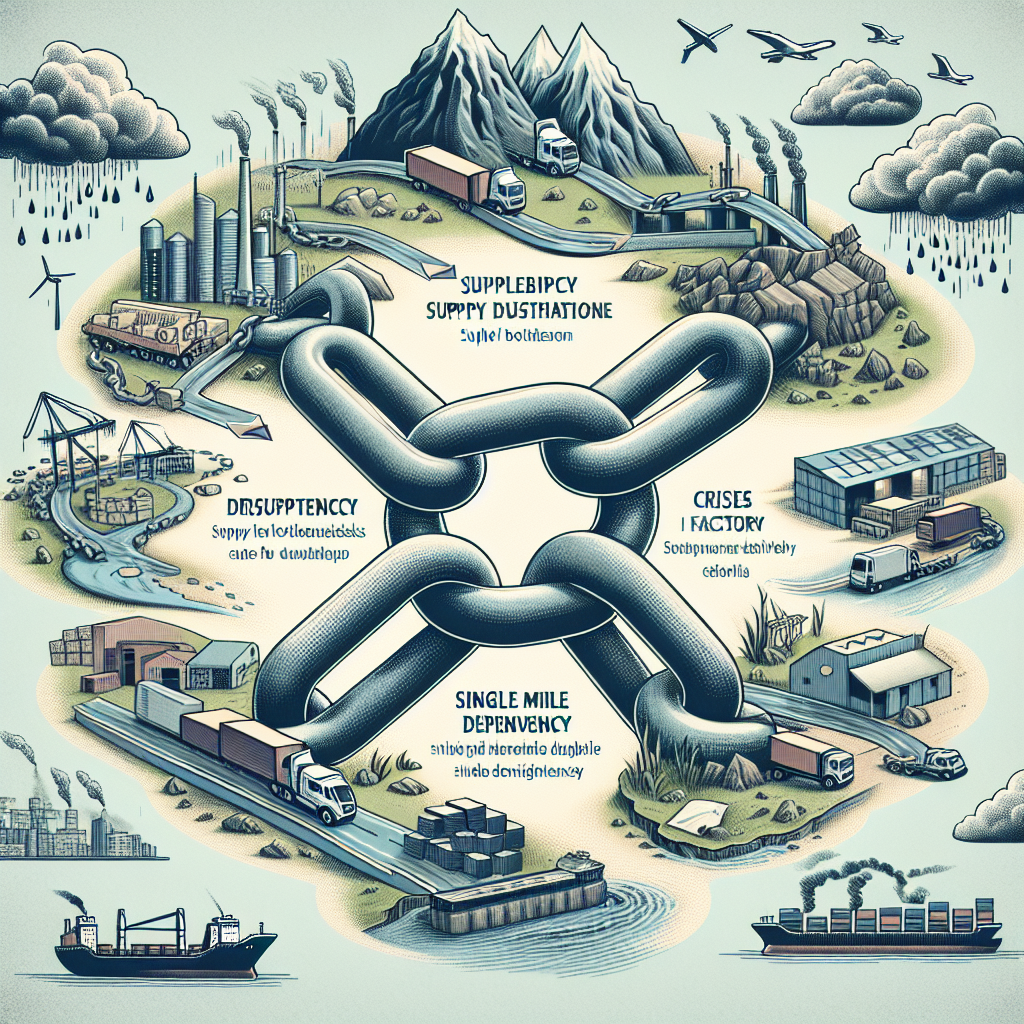
Of course, rolling out zero-touch logistics orchestration isn’t without its hurdles. Legacy infrastructure is one of the biggest barriers — many facilities still run on aging conveyor systems, proprietary software silos, and aging PLCs that weren’t designed to play nice with modern integration platforms.
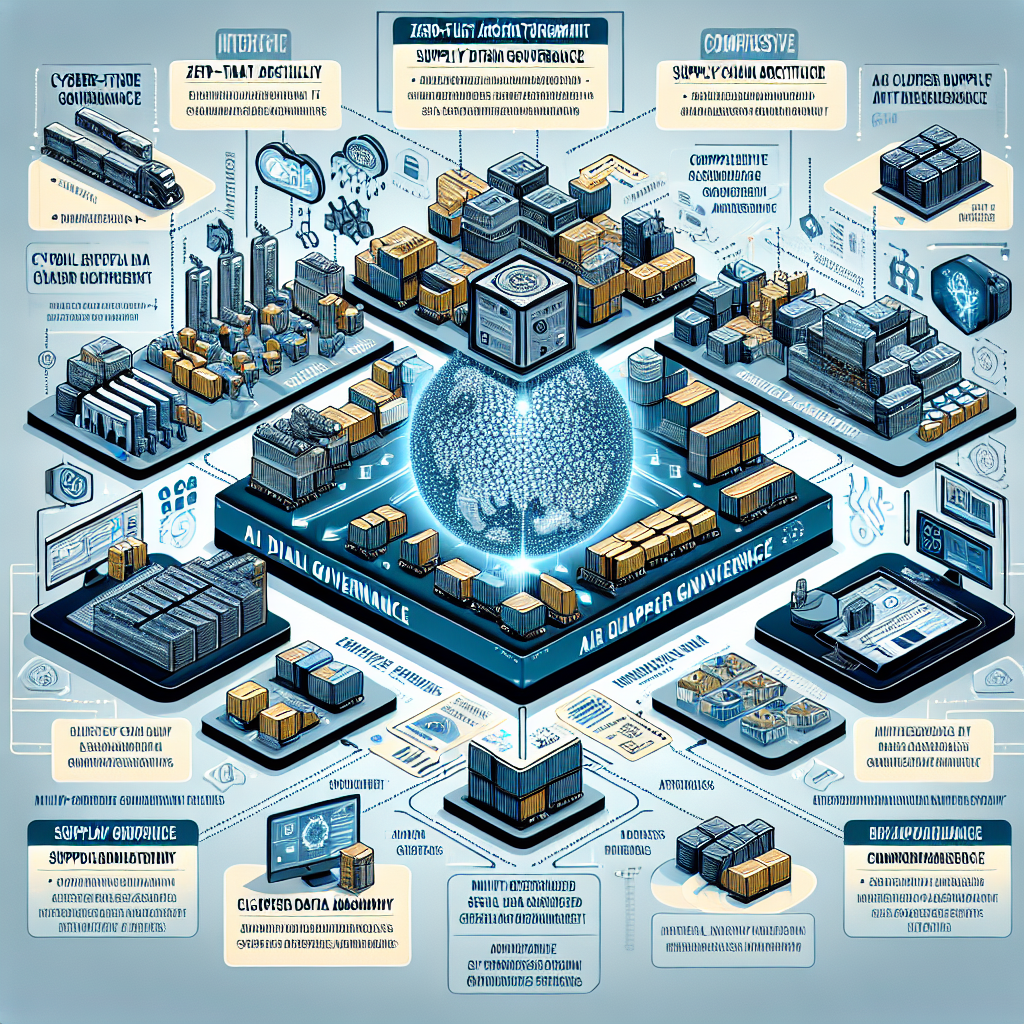
Cybersecurity is another growing concern. The more connected your facility, the larger your attack surface. Warehouse edge computing helps by localizing sensitive data, but facilities still need robust network segmentation, regular firmware updates, and clear access controls for all connected devices. A compromised robot fleet is a worst-case scenario nobody wants to debug mid-shift.
Finally, workforce transitions matter. Automation doesn’t eliminate people — it changes what they do. Investing in training and clearly communicating role changes will determine whether your team embraces the new system or fights it every step of the way.
● Legacy infrastructure and software silos are common deployment barriers
● Expanded connectivity increases cybersecurity exposure — edge localization helps mitigate risk
● Workforce change management is as critical as the technology itself
Key Takeaways
Zero-touch logistics orchestration is no longer a futuristic concept — it’s a present-day competitive necessity for facilities that want to scale efficiently, reduce errors, and stay resilient. By combining the mobility of autonomous mobile robots (AMR), the speed of warehouse edge computing, and the connectivity of Industry 4.0 smart factory integration, operations teams can build supply chains that practically think for themselves.
● Zero-touch orchestration automates coordination across the entire logistics workflow with minimal human input
● AMRs provide dynamic, reprogrammable mobility that outperforms legacy fixed-track automation
● Edge computing ensures low-latency, resilient operations even during network disruptions
● Industry 4.0 integration platforms connect robots, software, and machines into a unified data ecosystem
● Real-world deployments already demonstrate 99.9%+ picking accuracy and massive throughput gains