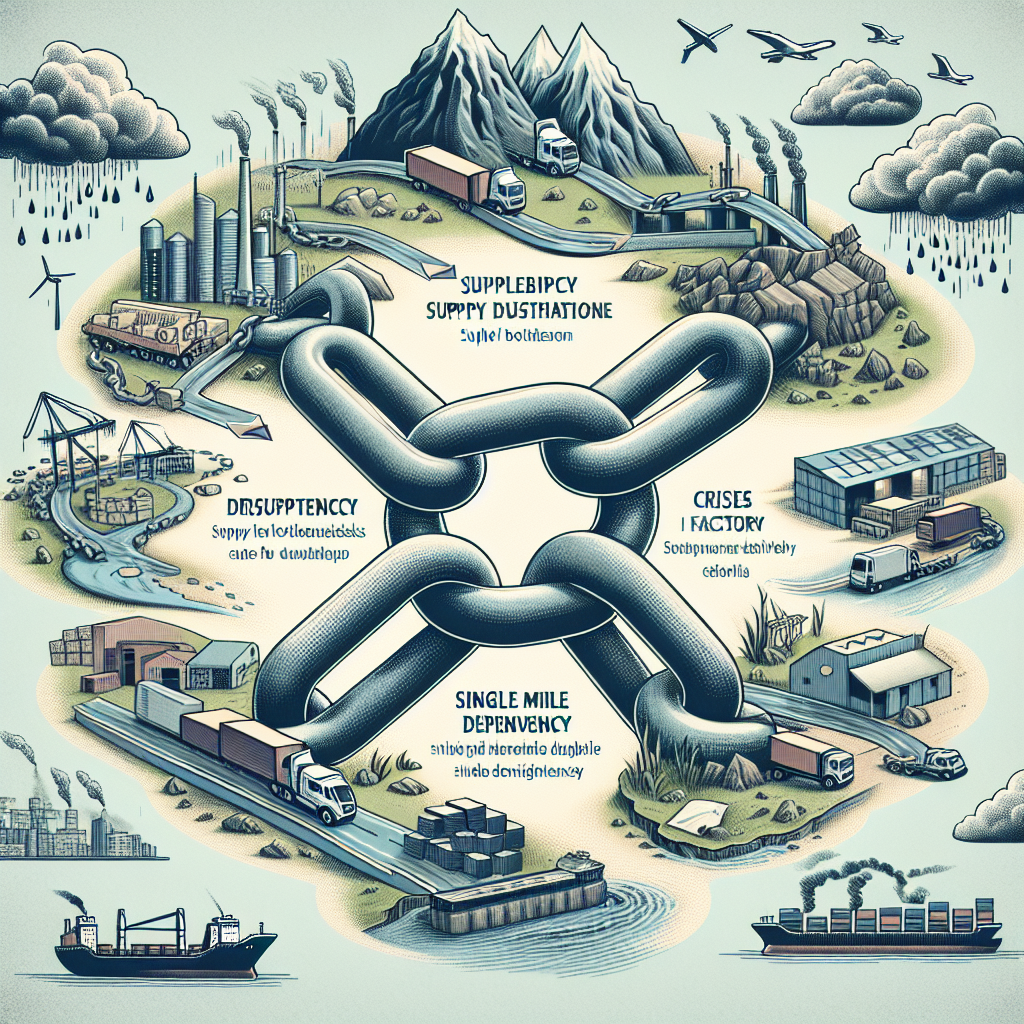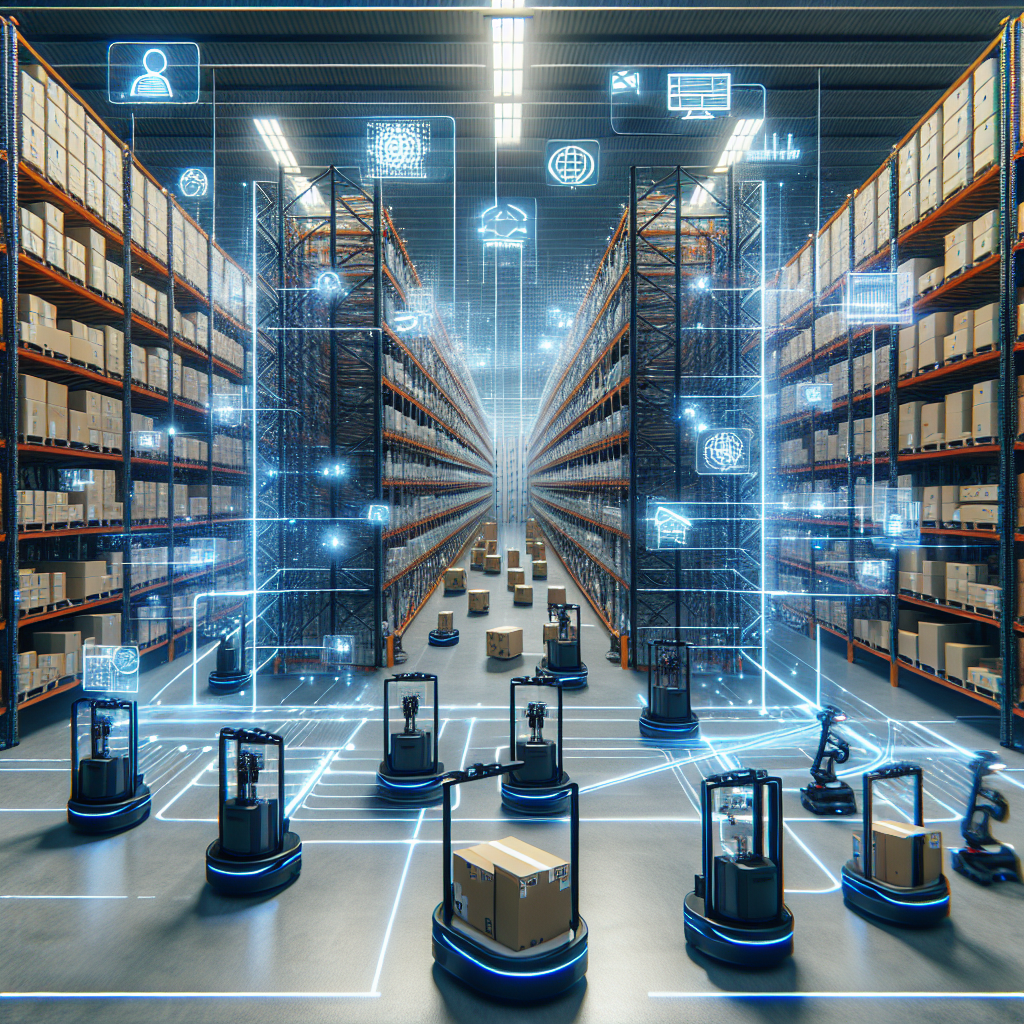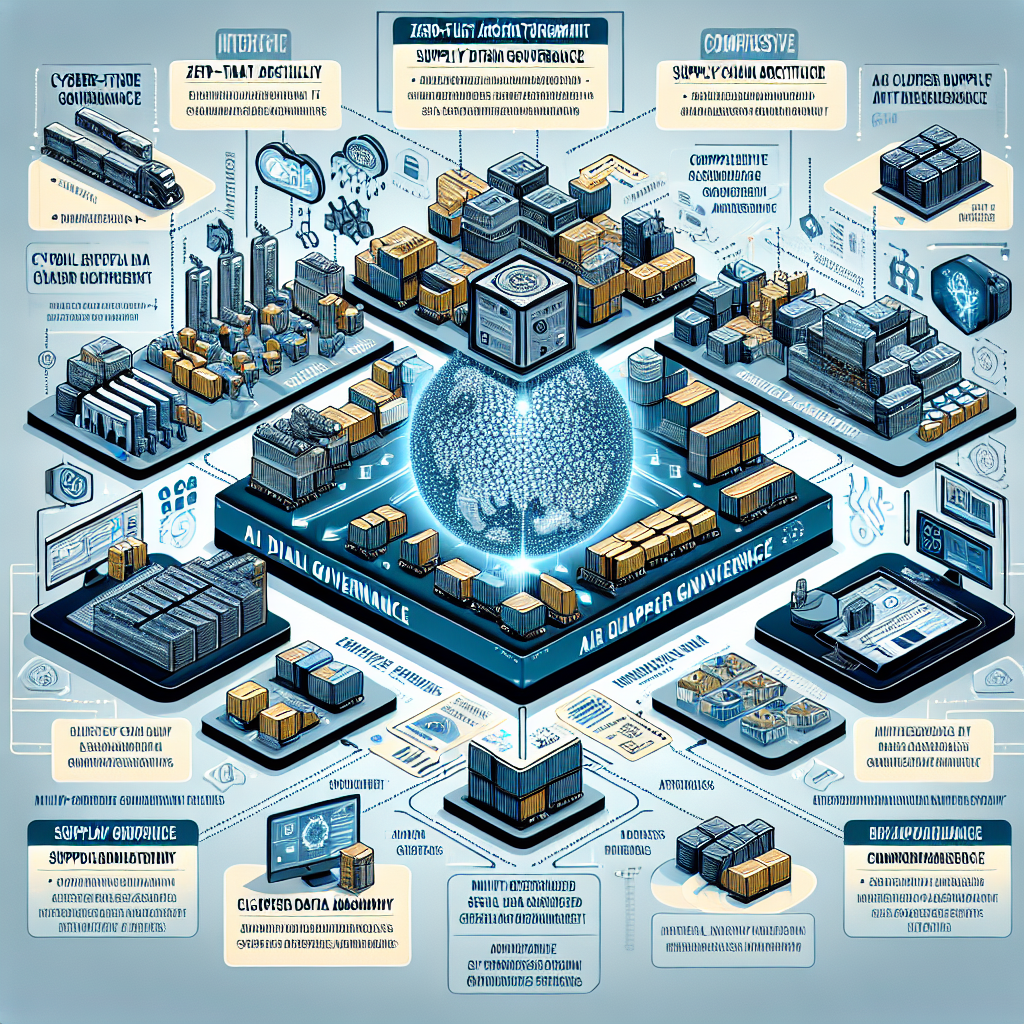







Supply chains are more complex than ever, and the pressure to keep them secure, compliant, and efficient is only growing. From AI-powered decision-making to cloud-native platforms and zero-trust security models, the architecture underlying modern supply chains is undergoing a fundamental transformation. Whether you’re a logistics manager, IT director, or supply chain strategist, understanding how AI governance in supply chain, data standards, and resilient architecture design fit together is becoming less of a luxury and more of a survival skill.
Why AI Governance in Supply Chain Can't Be an Afterthought
As artificial intelligence takes on more decision-making roles — from demand forecasting to supplier risk scoring — the question of who is accountable for those decisions becomes critical. AI governance in supply chain refers to the policies, oversight mechanisms, and ethical frameworks that ensure AI systems behave predictably, fairly, and in compliance with regulatory requirements.
A concrete example: a global retailer using an AI model to automatically flag and suspend suppliers based on risk scores could inadvertently discriminate against smaller vendors in developing markets if the model isn’t properly governed. Without clear supply chain IT governance protocols, these decisions can go unchecked, exposing the business to both reputational and legal risk.
Frameworks like the NIST AI Risk Management Framework are increasingly being adopted by enterprise supply chain teams to structure AI oversight and accountability across the organization.
● AI governance helps prevent biased or opaque automated decisions in supplier management
● Supply chain IT governance frameworks tie AI behavior to regulatory and business standards
● Third-party frameworks like NIST AI RMF provide actionable governance structure
Zero-Trust Supply Chain Architecture: Never Trust, Always Verify
What Zero-Trust Means in a Logistics Context
The traditional “castle-and-moat” approach to IT security — where everything inside the network is trusted — simply doesn’t hold up in modern multi-enterprise supply chain networks. With hundreds of suppliers, logistics providers, and third-party platforms all exchanging data, the attack surface is enormous. Zero-trust supply chain architecture flips the script by assuming no user, device, or system is inherently trustworthy, even inside the network perimeter.
In practice, this means every API call, every data request, and every user login must be authenticated and authorized in real time. Supply chain identity and access management (IAM) becomes a cornerstone of this approach, ensuring that only the right people and systems have access to the right data at the right time.
Building Cyber-Resilience in Logistics Operations
The SolarWinds breach and the Colonial Pipeline attack were wake-up calls for industries far beyond IT — including logistics and supply chain management. Cyber-resilience in logistics isn’t just about preventing breaches; it’s about designing systems that can detect, respond to, and recover from incidents without catastrophic disruption to operations.
Implementing zero-trust principles alongside robust supply chain compliance frameworks gives organizations a layered defense strategy. For example, a major third-party logistics provider (3PL) might segment its network so that a carrier’s portal breach cannot cascade into the core warehouse management system.
● Zero-trust architecture eliminates implicit trust across all supply chain system interactions
● IAM tools are foundational to controlling access in multi-enterprise environments
● Cyber-resilience in logistics requires both prevention and recovery planning
Supply Chain Data Governance and the Push for Standardization
Master Data Management as the Foundation
If AI and automation are the engine of modern supply chains, data is the fuel — and dirty data is a serious problem. Master data management supply chain (MDM) disciplines ensure that core data entities like products, suppliers, locations, and contracts are consistent, accurate, and governed across all systems. Without MDM, you end up with duplicate supplier records, mismatched product codes, and reconciliation nightmares across ERP, WMS, and TMS platforms.
Companies like SAP and Informatica have built robust MDM tools specifically designed for complex supply chain environments. These tools anchor supply chain data governance programs by providing a single source of truth that downstream applications and analytics can rely on.
Data Lineage and Auditability in Complex Networks
Data lineage in supply chain systems tracks where data came from, how it was transformed, and where it ended up — a capability that is becoming essential for both operational trust and supply chain auditability. Regulatory bodies and enterprise customers increasingly want to know that the data informing compliance reports and sustainability claims is accurate and traceable.
Consider a food manufacturer required to trace ingredients back to their origin farms under FDA traceability rules. Without strong data lineage tools integrated into their digital supply chain architecture, producing that audit trail quickly and accurately becomes an enormous manual burden.
● MDM creates a consistent data foundation across all supply chain platforms
● Data lineage tools enable rapid, reliable compliance reporting and audits
● Supply chain data governance aligns data quality with regulatory and operational needs
Interoperability, APIs, and Cloud-Native Supply Chain Architecture
API-Driven Integration as the New Normal
Gone are the days when EDI was the only way to connect trading partners. API-driven supply chain integration has become the preferred approach for connecting systems quickly, flexibly, and at scale. Modern supply chain platforms expose well-documented REST or GraphQL APIs that allow suppliers, customers, and logistics providers to exchange data in near real time without lengthy IT projects.
Interoperability in supply chain systems is the goal — the ability for disparate platforms, from a small supplier’s inventory system to a global retailer’s demand planning tool, to communicate seamlessly. Open standards like GS1 and initiatives like the GS1 Global Data Standards are helping the industry move toward common data languages that reduce integration friction.
Cloud Supply Chain Architecture and Platform Design
Cloud supply chain architecture enables the kind of scalability and flexibility that on-premise systems simply can’t match. Whether it’s burst capacity during peak seasons or the ability to onboard a new supplier portal in days instead of months, cloud-native design is reshaping how enterprise supply chain architecture teams think about infrastructure.
Supply chain platform architecture in cloud environments often follows microservices patterns, where individual capabilities — like order management, visibility, or compliance tracking — are deployed as independent services that can be updated or scaled without disrupting the whole system. This modularity also supports secure data sharing in supply chain by isolating sensitive data flows within purpose-built services.
● API-driven integration replaces rigid legacy EDI connections with flexible, real-time data exchange
● GS1 and similar standards bodies are driving supply chain data standardization globally
● Cloud-native microservices architecture supports both scalability and secure data compartmentalization
Regulatory Compliance and Risk Governance in Global Supply Chains
Navigating a Complex Compliance Landscape
Regulatory compliance in global supply chains has grown significantly more demanding, with regulations like the EU Corporate Sustainability Due Diligence Directive (CSDDD), the US Uyghur Forced Labor Prevention Act (UFLPA), and GDPR all placing new obligations on how companies manage supplier relationships and data. Meeting these requirements isn’t just a legal checkbox — it’s increasingly a condition of doing business with major buyers.
A solid supply chain compliance framework integrates regulatory requirements directly into sourcing, contracting, and operational workflows so compliance is built in rather than bolted on. This is where supplier data governance plays a big role — ensuring that the information you collect from suppliers about certifications, labor practices, and environmental performance is accurate, current, and traceable.
Risk Governance Frameworks in Logistics
Risk governance frameworks in logistics help organizations identify, assess, and respond to threats across the supply chain — whether those threats are geopolitical disruptions, natural disasters, cyber incidents, or supplier financial instability. Frameworks like ISO 31000 and supply chain-specific adaptations provide structured approaches to embedding risk management into everyday decision-making.
The key to making these frameworks work in practice is connecting risk data to operational systems in real time. When a supplier’s financial health deteriorates or a port faces a labor strike, your resilient supply chain architecture design should surface that signal quickly enough to act on it before it becomes a crisis.
● Regulatory compliance demands like UFLPA and CSDDD require traceable supplier data
● Supply chain compliance frameworks embed requirements into workflows rather than leaving them as post-process checks
● Risk governance frameworks in logistics connect threat intelligence to operational response systems
Key Takeaways
The future of supply chain operations belongs to organizations that treat governance, architecture, and data standards not as compliance burdens but as strategic enablers. Building resilient, secure, and interoperable supply chain systems requires coordinated investment across technology, process, and people.
● AI governance in supply chain is essential to ensure automated decisions are accountable, fair, and compliant
● Zero-trust supply chain architecture and strong IAM practices are the foundation of cyber-resilience in logistics