





If you’ve ever wondered why a delayed shipment caught your team off guard or why a stockout seemed to come out of nowhere, you’re not alone. Supply chain disruptions are a reality for businesses of every size, but the good news is that modern technology is making it easier than ever to stay ahead of them. From real-time IoT inventory tracking to sophisticated end-to-end visibility platforms, today’s supply chain tools are genuinely changing the game — and we’re here to break it all down for you.
What Is End-to-End Supply Chain Visibility?
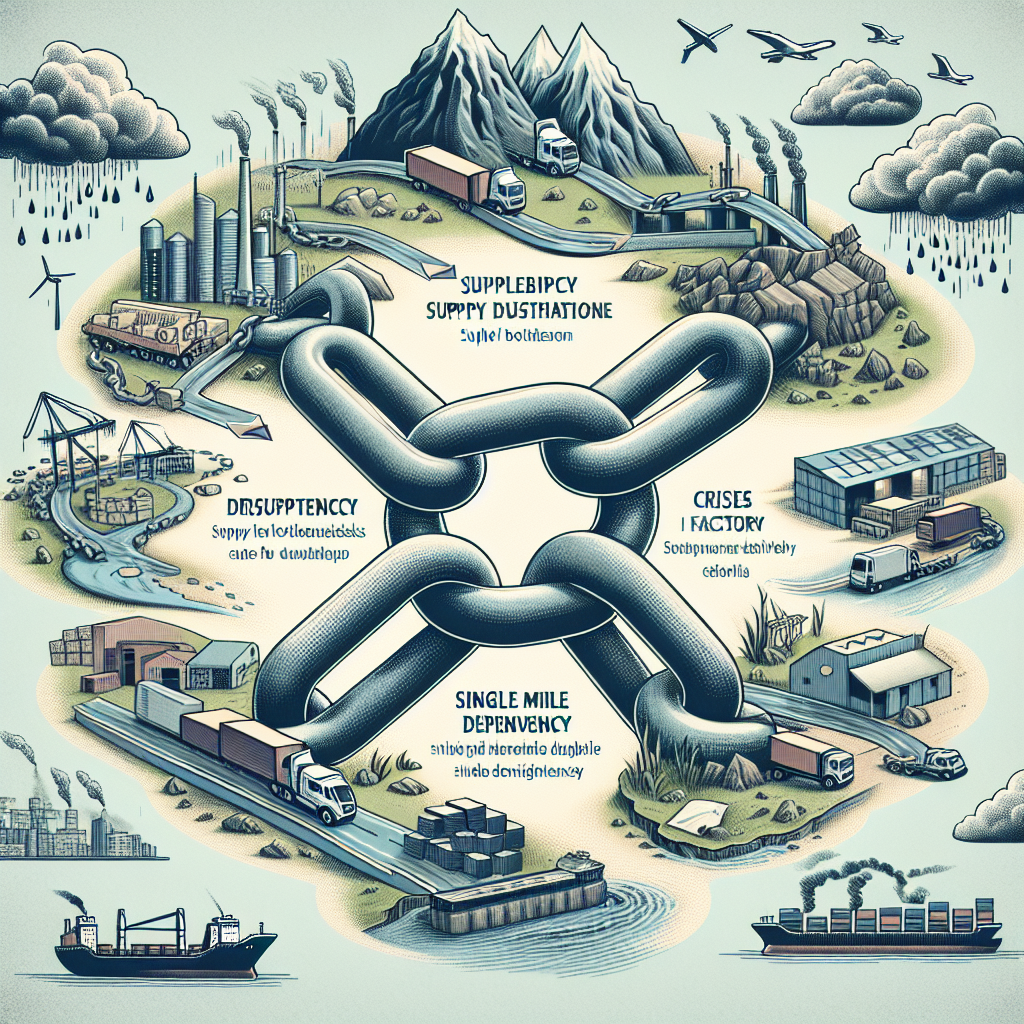
Supply chain visibility refers to the ability to track every component, product, and shipment as it moves through your supply chain — from raw materials all the way to the end customer. It sounds straightforward, but in practice, many companies are flying blind across large portions of their supply network.
End-to-end visibility means no blind spots. Whether a product is sitting in a warehouse in Singapore or moving through customs in Rotterdam, you know exactly where it is and what condition it’s in. This kind of oversight helps businesses respond faster, plan smarter, and reduce costly surprises.
● Supply chain visibility covers the full journey of goods, from sourcing to delivery
● End-to-end visibility eliminates information gaps that lead to costly disruptions
● Real-time data access allows faster decision-making at every level of the supply chain
How Real-Time IoT Inventory Tracking Is Changing the Rules
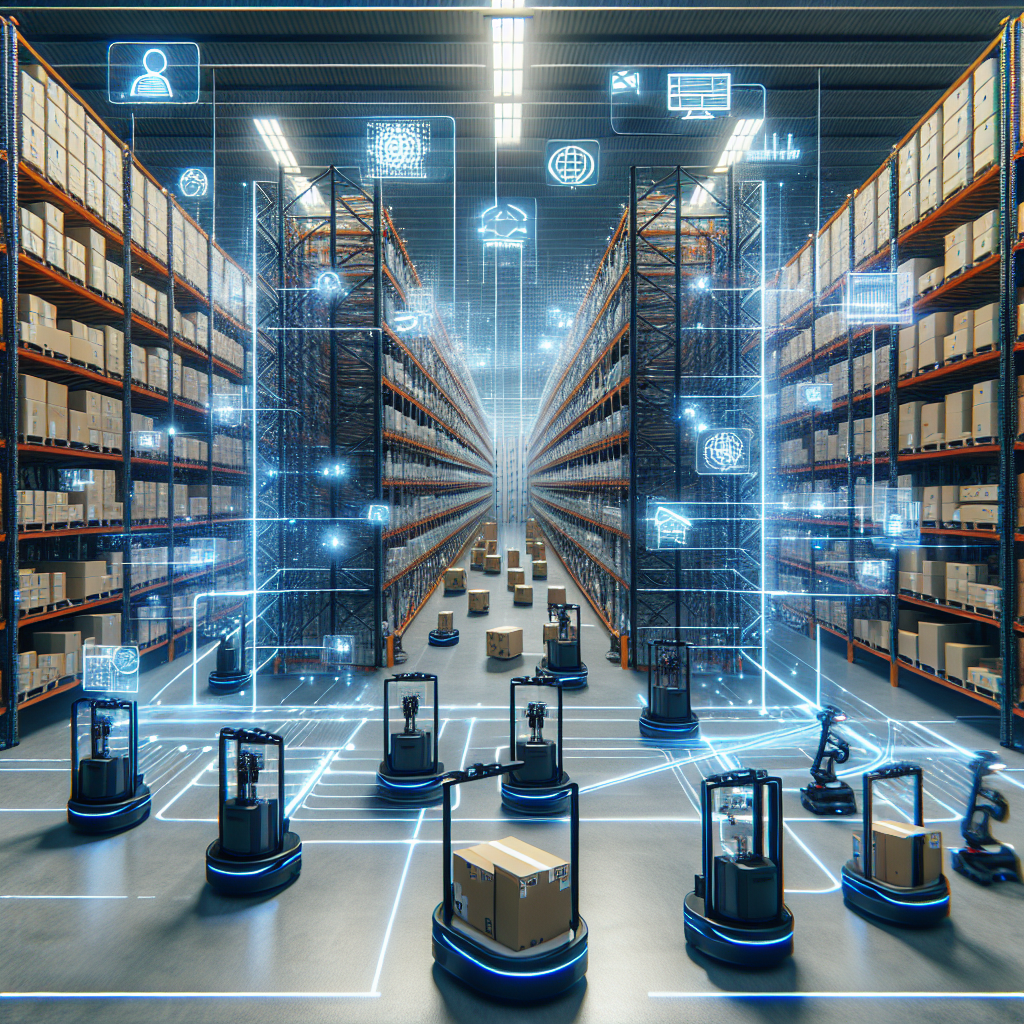
Real-time IoT inventory tracking uses connected sensors, RFID tags, GPS devices, and smart labels to monitor goods and assets as they move through the supply chain. According to a report by McKinsey & Company, companies that adopt IoT-powered supply chain solutions can reduce supply chain costs by up to 25% while dramatically improving service levels.
Consider a large food and beverage distributor that uses IoT sensors to monitor temperature-sensitive shipments in real time. If a refrigerated truck’s temperature rises above a safe threshold, an automatic alert is sent to the logistics team, who can reroute the shipment or take corrective action before the goods are spoiled. That’s the power of real-time IoT inventory tracking in action — preventing small issues from becoming very expensive problems.
IoT tracking also feeds valuable data into broader inventory management systems, giving procurement teams a much clearer picture of stock levels, reorder points, and lead times. This integration is what makes IoT such a critical piece of the modern supply chain puzzle.
● IoT sensors provide live data on location, temperature, humidity, and handling conditions
● Real-time alerts allow teams to intervene before problems escalate
Multi-Tier Supplier Visibility: Seeing Beyond Your Direct Suppliers
Most businesses have a pretty good handle on their Tier 1 suppliers — the ones they work with directly. But what about the suppliers behind those suppliers? Multi-tier supplier visibility is the ability to see and monitor activity across all levels of your supply chain, not just the first tier.
This matters more than many businesses realize. During the global semiconductor shortage, many manufacturers were blindsided not by their direct suppliers, but by the sub-suppliers those vendors depended on. Companies with strong multi-tier supplier visibility were able to identify risks earlier and secure alternative sources before the shortage hit full force. A study by Harvard Business Review found that only 2% of companies have mapped their supply chain to Tier 3 suppliers or beyond — a startling gap in preparedness.
Building multi-tier supplier visibility requires both the right technology and a collaborative mindset. Suppliers need to share data, and businesses need platforms capable of aggregating and interpreting that data meaningfully.
● Multi-tier supplier visibility goes beyond Tier 1 to reveal hidden risks in your supply network
● Supply chain disruptions often originate at deeper supplier tiers
● Collaborative data sharing is essential for achieving true multi-tier visibility
End-to-End Visibility Platforms: The Technology Bringing It All Together
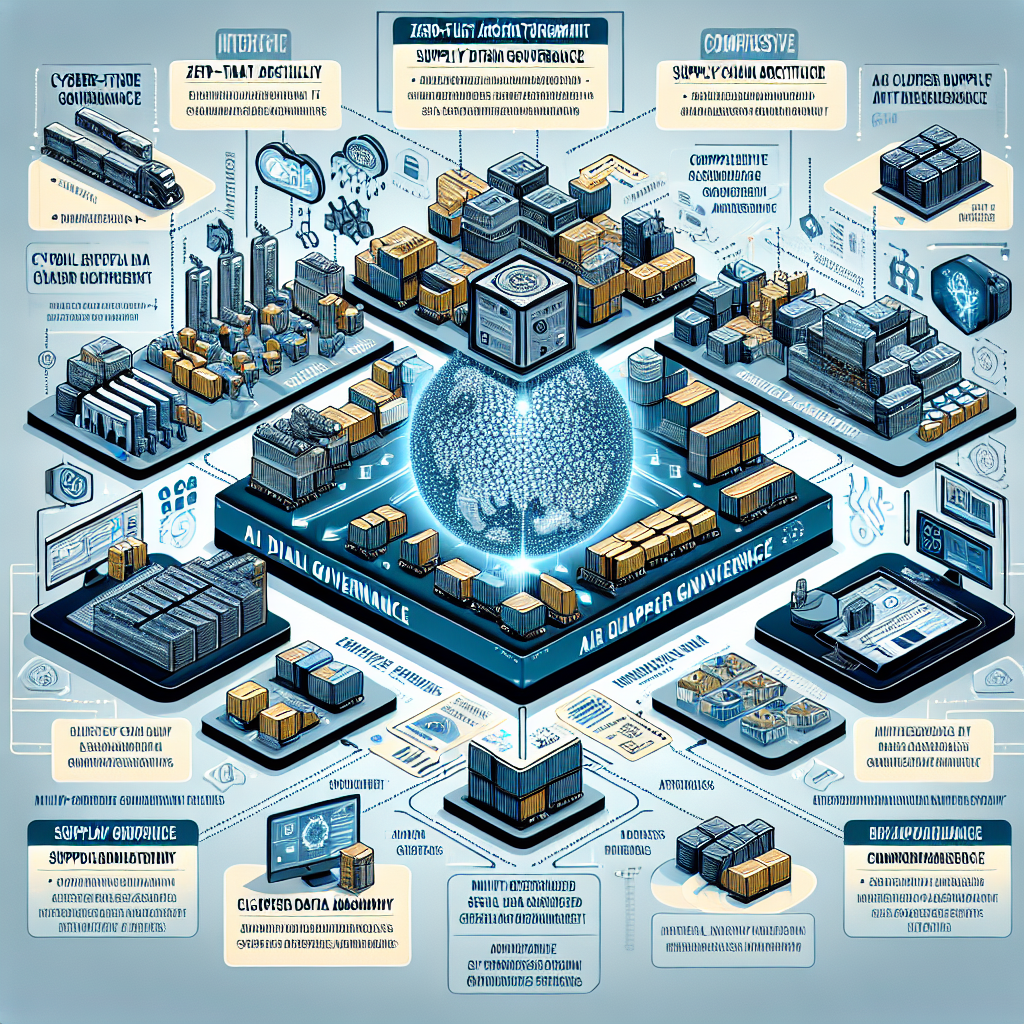
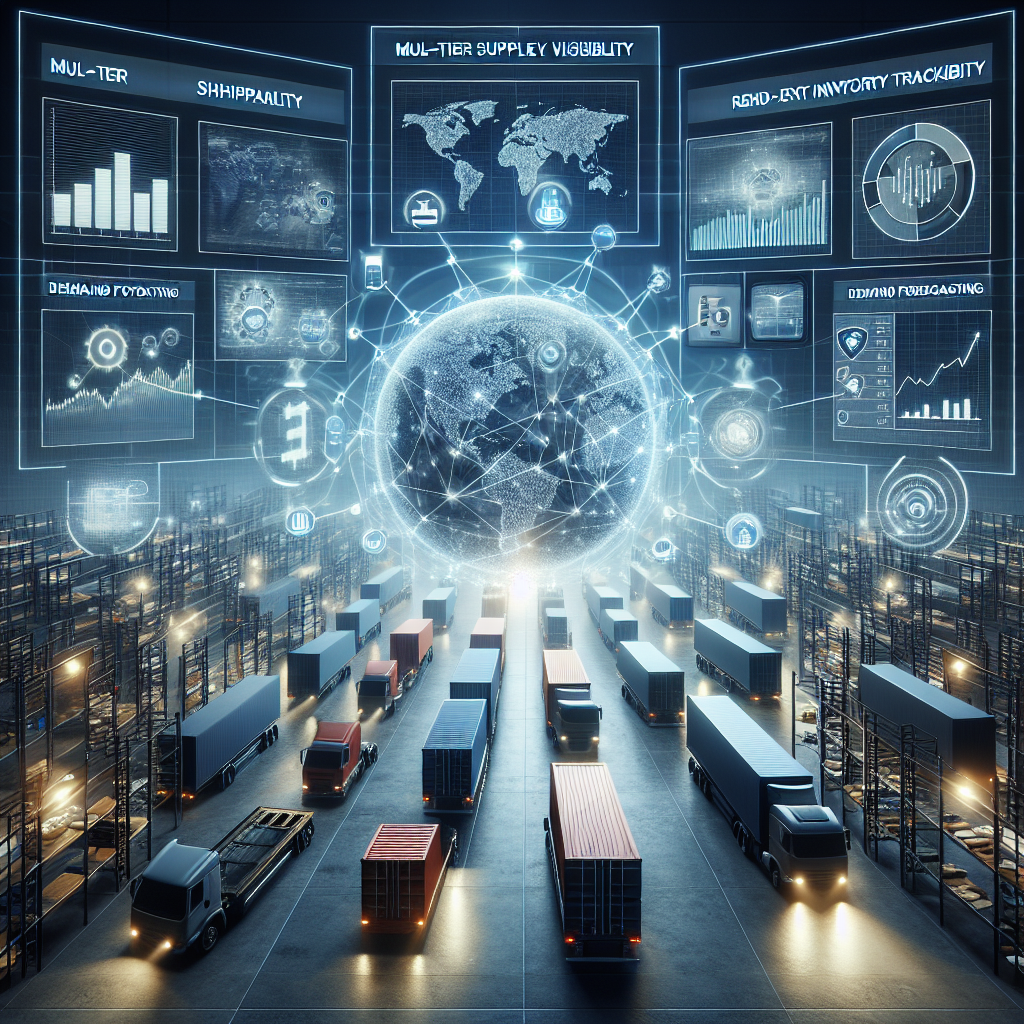
End-to-end visibility platforms are the central nervous system of a modern supply chain operation. These platforms aggregate data from IoT devices, ERP systems, supplier portals, and logistics providers into a single, unified dashboard. Solutions like SAP Supply Chain Management and similar enterprise tools make it possible for supply chain teams to monitor operations across multiple geographies and supplier tiers simultaneously.
What sets the best end-to-end visibility platforms apart is their ability to not just show you what’s happening, but to help you anticipate what’s going to happen. Advanced platforms incorporate machine learning algorithms that analyze historical patterns, current inventory levels, and even external factors like weather or geopolitical events to deliver actionable insights. This is where visibility starts to overlap with demand forecasting — a topic we’ll dig into in the next section.
● End-to-end visibility platforms centralize data from multiple sources into one interface
● The best platforms combine real-time tracking with predictive analytics
Demand Forecasting: Turning Visibility Into Smarter Planning
Visibility is most powerful when it feeds into better planning, and that’s exactly what demand forecasting does. Demand forecasting uses historical sales data, market trends, seasonal patterns, and increasingly, real-time supply chain signals to predict future product demand with greater accuracy. According to Gartner, businesses that leverage advanced demand forecasting reduce excess inventory costs by up to 20% while improving order fulfillment rates.
A practical example: a consumer electronics retailer using a visibility platform integrated with demand forecasting tools might notice that inventory for a popular product is moving faster than projected in certain regions. The system can automatically trigger a reorder, reroute available stock, or flag the trend for a procurement manager to investigate — all before a stockout ever occurs. This kind of proactive response is only possible when supply chain visibility and demand forecasting work together.
As supply chains become more complex and unpredictable, demand forecasting is evolving from a nice-to-have feature to an essential capability. Integrating it with real-time IoT data and multi-tier supplier visibility creates a feedback loop that continuously improves accuracy over time.
● Demand forecasting transforms visibility data into proactive supply chain decisions
● AI-driven forecasting reduces excess inventory and prevents stockouts
● Combining IoT tracking with forecasting creates a continuously learning supply chain system
Building Your Supply Chain Visibility Strategy
Getting started with supply chain visibility doesn’t have to be overwhelming. Most businesses begin by identifying their biggest pain points — whether that’s delayed shipments, unexpected stockouts, or poor supplier performance — and then selecting tools that address those specific challenges first.
From there, building out multi-tier supplier visibility and integrating demand forecasting capabilities allows businesses to layer on sophistication over time. The key is to choose scalable, integration-friendly platforms that can grow alongside your business and connect seamlessly with your existing systems. Explore helpful resources and product guidance at BestInSupplies.com to find tools suited for your operation.
● Start with your most pressing visibility gaps and build from there
● Choose scalable platforms that integrate with your existing tech stack
Key Takeaways
Supply chain visibility isn’t just a buzzword — it’s the foundation of a resilient, responsive, and efficient supply operation. Here’s a quick recap of the most important points:
● End-to-end supply chain visibility eliminates blind spots and enables faster, smarter decision-making
● Real-time IoT inventory tracking provides live data on goods throughout the supply chain journey
● Multi-tier supplier visibility helps businesses identify and respond to risks beyond their direct suppliers
● End-to-end visibility platforms centralize data from multiple sources to give a complete operational picture
● Demand forecasting turns visibility data into proactive planning, reducing costs and improving service levels
Ready to explore the tools and resources that can help you build a smarter, more connected supply chain? Visit BestInSupplies.com for in-depth guides, product comparisons, and expert insights on supply chain management, inventory tracking, and everything in between.