




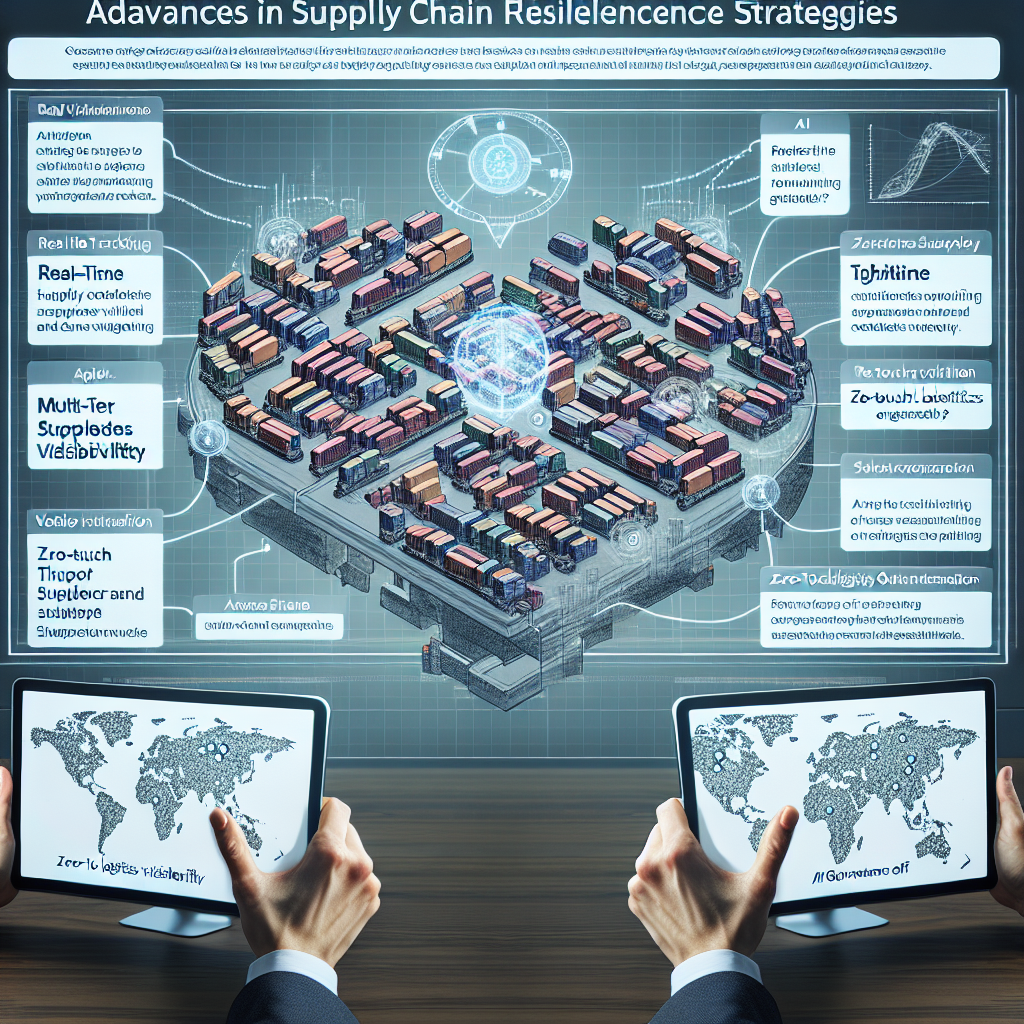
Supply chains have been through the wringer over the past few years, and the pressure to build smarter, more adaptive operations has never been greater. From geopolitical disruptions to climate-related delays, companies are doubling down on technology and strategy to stay ahead of the chaos. In this post, we’re breaking down some of the most exciting and practical approaches to supply chain resilience strategies that are reshaping how businesses move goods around the world.
What Are Supply Chain Digital Twins and Why Do They Matter?
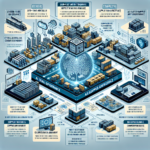
A supply chain digital twin is essentially a virtual replica of your entire supply chain — from raw material sourcing all the way to last-mile delivery. It uses real-time data, IoT sensors, and simulation models to mirror what’s happening on the ground, so you can test scenarios before making costly decisions.
For example, companies like Unilever and DHL have already invested heavily in digital twin technology to model disruptions and run “what-if” simulations. Imagine knowing in advance how a port strike in Rotterdam would ripple through your European distribution network — that’s the kind of foresight digital twins provide.
According to Gartner, organizations that deploy supply chain digital twins can reduce unplanned downtime by up to 30% and improve planning cycle times significantly. That’s a serious competitive edge in volatile markets.
Key Points
● Digital twins create a live, virtual model of your supply chain for smarter decision-making
● Leading companies like DHL and Unilever are already leveraging this technology
● Gartner reports up to 30% reduction in unplanned downtime with digital twin adoption
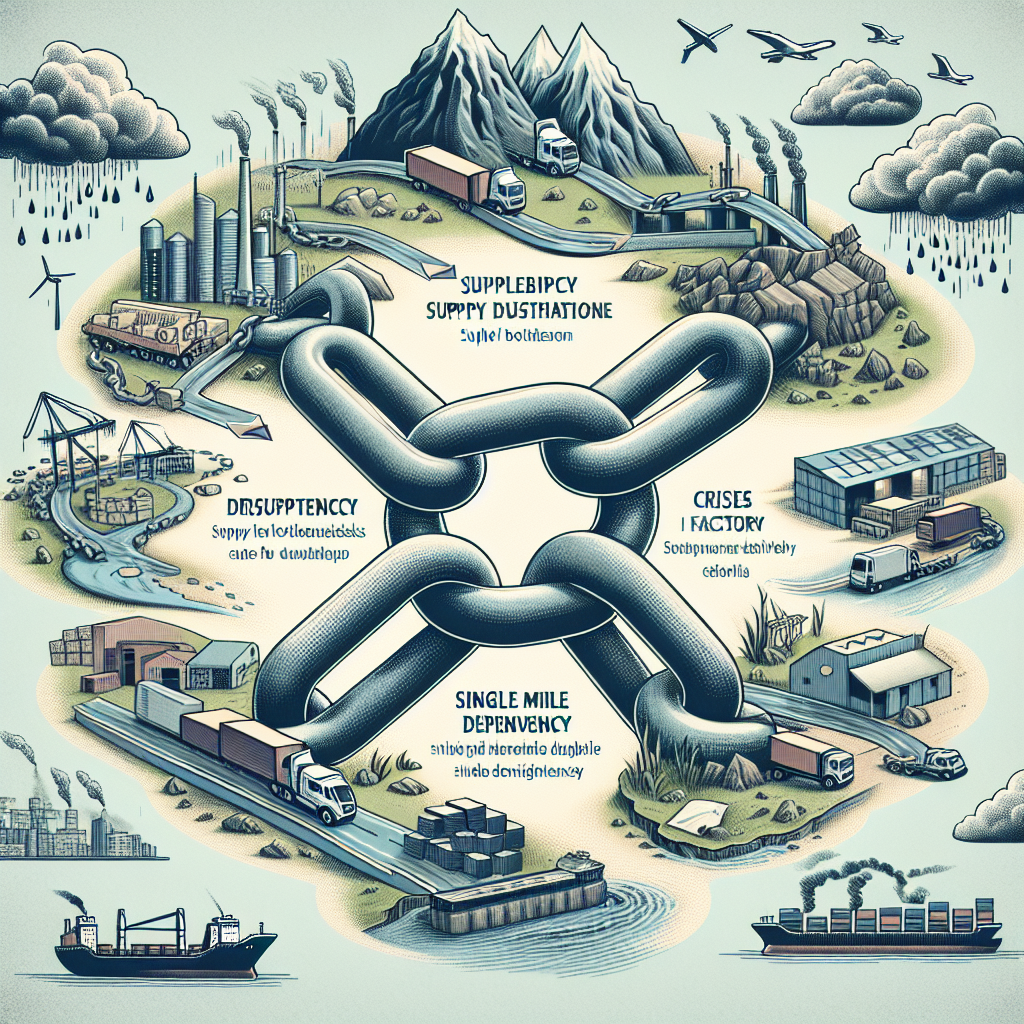
Real-Time Chokepoint Tracking: Seeing Disruptions Before They Hit
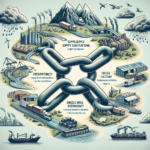
Real-time chokepoint tracking is one of the most practical tools in the modern supply chain toolkit. It refers to continuous monitoring of critical transit points — think the Suez Canal, the Panama Canal, or major air freight hubs — where congestion or disruption can send shockwaves across global logistics networks.
Platforms like FourKites and project44 offer live visibility into these chokepoints, alerting procurement and logistics teams the moment conditions change. When the Ever Given blocked the Suez Canal back in 2021, companies with real-time tracking were able to reroute shipments within hours rather than days — saving millions in delayed inventory costs.
Combining chokepoint tracking with predictive analytics takes things even further. By layering in weather data, political risk scores, and carrier performance metrics, supply chain teams can anticipate disruptions rather than just react to them. For a deeper look at risk monitoring tools, check out our resource guide at BestInSupplies.com.
Key Points
● Real-time chokepoint tracking monitors critical global transit nodes continuously
● Platforms like FourKites and project44 provide live disruption alerts
● Predictive analytics can turn reactive responses into proactive strategies
Multi-Tier Supplier Visibility: Going Beyond Your Tier-1 Relationships
Most companies have a decent handle on their direct, or Tier-1, suppliers. But multi-tier supplier visibility goes deeper — mapping out Tier-2 and Tier-3 suppliers to understand where your materials are truly coming from and where vulnerabilities might be hiding.
A great example of why this matters: during the global semiconductor shortage, many automotive manufacturers discovered too late that their Tier-2 and Tier-3 suppliers were all sourcing chips from the same small cluster of Taiwanese fabs. The lack of visibility meant they couldn’t act early enough to secure alternative sources. Companies with robust multi-tier visibility, like Toyota with its supplier relationship management system, fared considerably better.
Tools like Resilinc and Elementum now make it easier to build detailed supplier maps and flag concentration risks automatically. These platforms integrate with ERP systems and use AI to continuously update risk profiles across the supply network. You can learn more about supplier management platforms in our supplier tools section at BestInSupplies.com.
Key Points
● Multi-tier visibility reveals hidden risks in Tier-2 and Tier-3 supplier relationships
● The semiconductor shortage exposed dangerous blind spots for companies without deep supplier mapping
● Platforms like Resilinc help automate risk monitoring across the entire supply network
Zero-Touch Logistics Orchestration: Automating the Flow
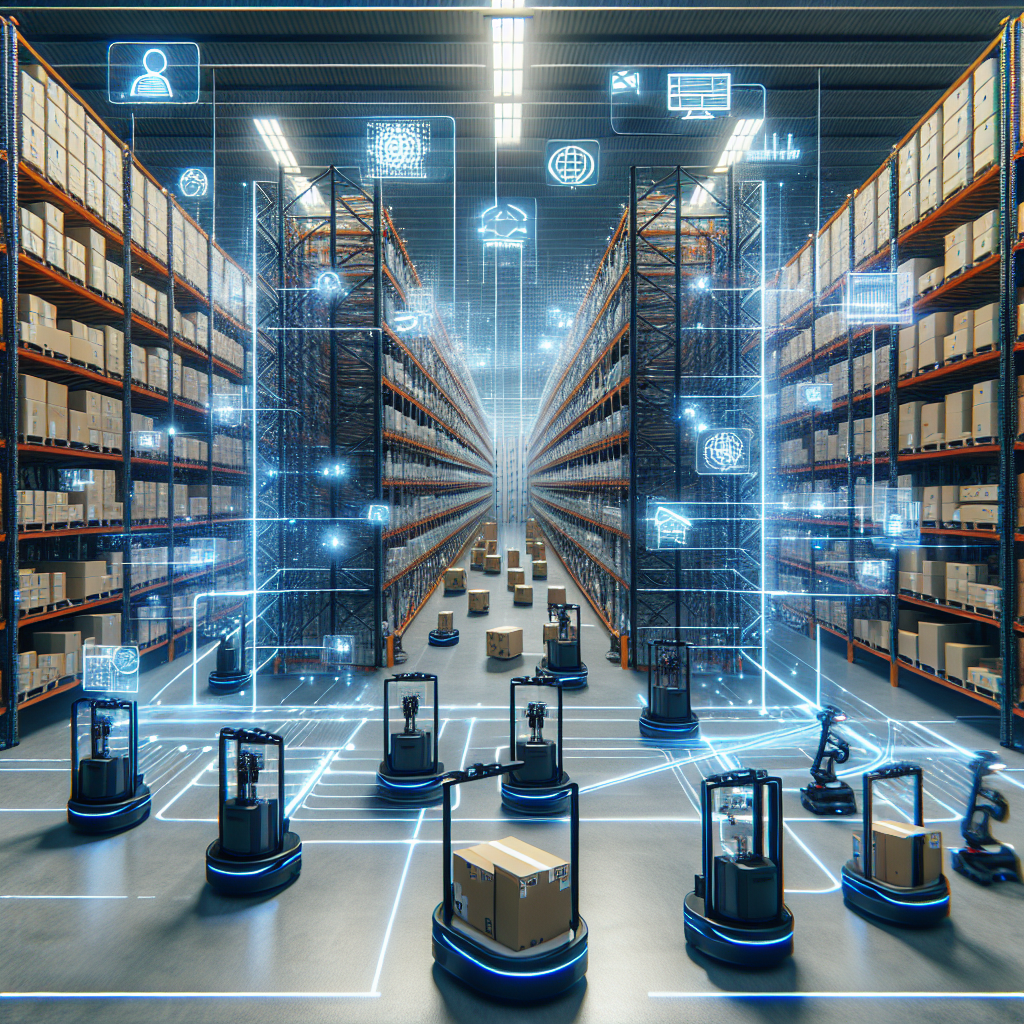
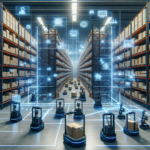
Zero-touch logistics orchestration is exactly what it sounds like — automating logistics decisions and execution so that shipments move through the supply chain with minimal human intervention. It combines AI-driven decision engines, robotic process automation (RPA), and real-time data feeds to keep goods flowing efficiently.
Amazon is arguably the gold standard here, with its fulfillment centers running highly automated picking, packing, and routing operations. But even mid-market companies are adopting zero-touch principles through platforms like Blue Yonder and Manhattan Associates, which automate carrier selection, load optimization, and customs documentation.
The business case is compelling: according to McKinsey, companies that automate logistics processes can reduce operational costs by 20-40% while improving delivery speed and accuracy. It’s not about replacing people — it’s about freeing them up for higher-value problem-solving.
Key Points
● Zero-touch logistics uses AI and automation to minimize manual intervention in logistics execution
● Platforms like Blue Yonder and Manhattan Associates bring this capability to mid-market businesses
● McKinsey estimates 20-40% cost reductions through logistics process automation
AI Governance in Supply Chain: Keeping Algorithms Accountable
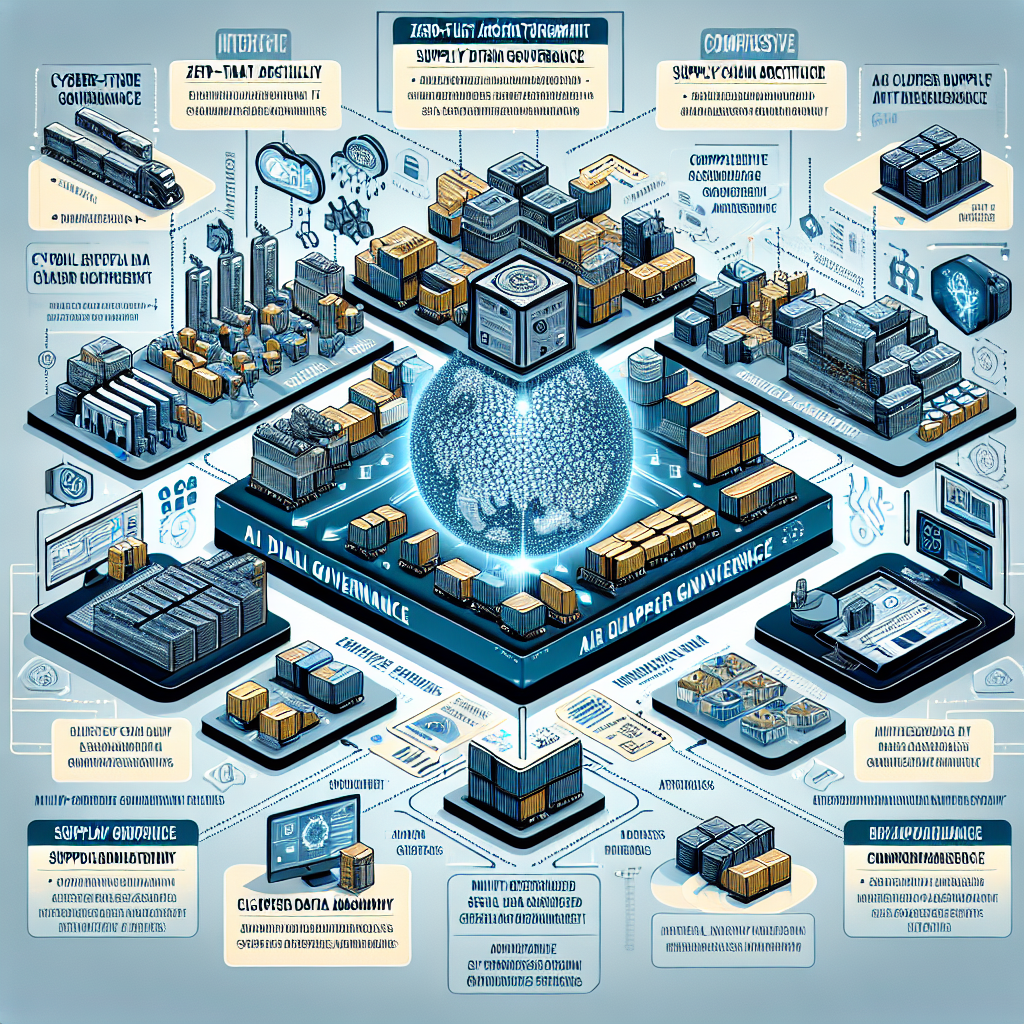
As AI takes on more decision-making responsibility across supply chains, AI governance in supply chain operations has become a critical conversation. Governance refers to the frameworks, policies, and oversight mechanisms that ensure AI systems are making fair, accurate, and explainable decisions.
Without proper governance, AI models can amplify biases, make opaque decisions that are hard to audit, or fail catastrophically when conditions change outside their training data. The EU’s AI Act, which began rolling out its requirements recently, is pushing companies to formalize AI oversight — especially for high-risk applications like supplier selection or demand forecasting that affect livelihoods and critical operations.
Leading organizations are now appointing AI ethics officers and building model monitoring dashboards to track drift, accuracy, and fairness in their supply chain AI tools. The IBM AI governance framework is a well-regarded starting point for companies looking to build structured oversight programs. This is one area where getting it right early will save a lot of headaches down the road.
Key Points
● AI governance ensures supply chain algorithms remain accurate, fair, and auditable
● The EU AI Act is pushing companies to formalize oversight for high-risk AI applications
● Proactive governance programs — including model monitoring — are becoming standard practice
Bringing It All Together: Building a Resilient Supply Chain Strategy
The most resilient supply chains aren’t built on any single technology — they combine multiple layers of visibility, automation, and intelligent oversight. Supply chain resilience strategies today are about creating systems that can absorb shocks, adapt in real time, and continuously improve through data.
Whether you’re just starting to explore digital twins or you’re already deploying zero-touch logistics orchestration, the key is to take a phased, intentional approach. Start with visibility — you can’t manage what you can’t see — and build automation and AI capabilities on top of that foundation.
The good news is that the tools and frameworks to do this are more accessible than ever, and the ROI on getting it right is enormous. A well-designed, resilient supply chain isn’t just a risk management asset — it’s a genuine competitive differentiator.
Key Takeaways
Here’s a quick summary of what we covered in this post:
● Supply chain digital twins provide real-time simulation and scenario planning to reduce costly disruptions
● Real-time chokepoint tracking allows companies to anticipate and respond to global transit disruptions faster
● Multi-tier supplier visibility uncovers hidden concentration risks beyond Tier-1 relationships
● Zero-touch logistics orchestration cuts costs and improves delivery performance through intelligent automation
● AI governance in supply chain ensures algorithms remain accountable, explainable, and aligned with business and regulatory standards
Want to keep building your supply chain knowledge? Explore our full library of supplier tools, logistics resources, and procurement guides at BestInSupplies.com — there’s plenty more to discover.