







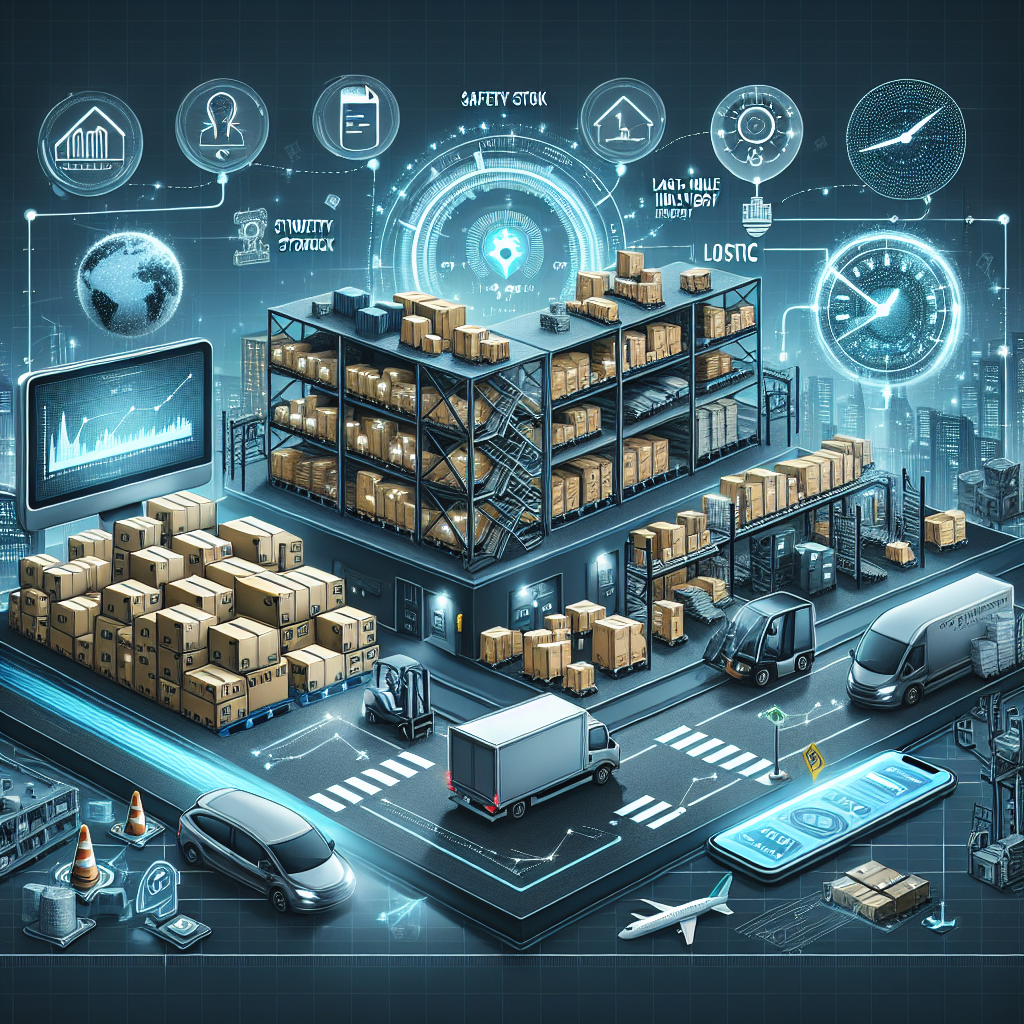
If you’ve been anywhere near a supply chain lately, you already know the chaos is real. From port backlogs to fuel shortages and extreme weather events, shipping disruption has become less of a rare exception and more of an everyday challenge that businesses have to plan around. The good news? Companies that lean into smart inventory management software and adaptive logistics strategies aren’t just surviving — they’re actually coming out ahead.
Why Shipping and Logistics Disruptions Are the New Normal
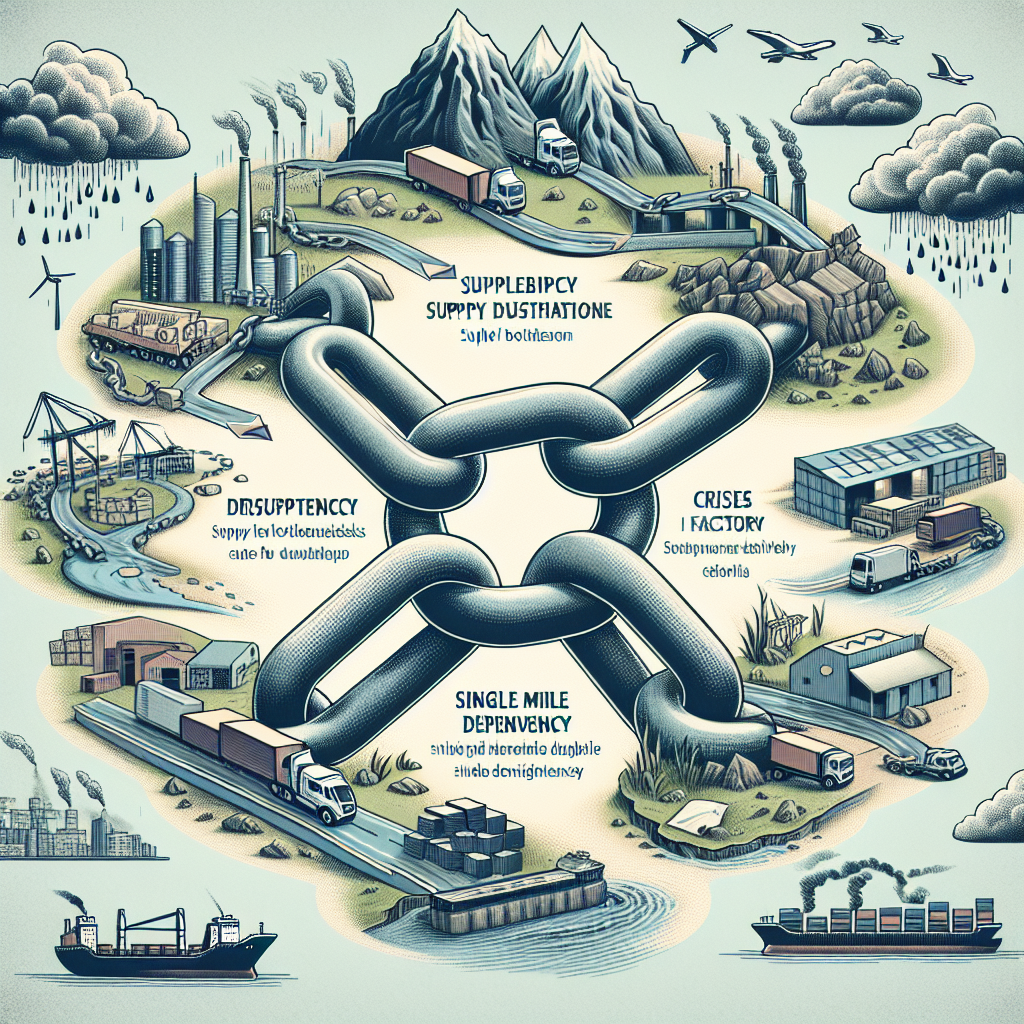
The days of predictable, smooth supply chains feel like a distant memory for most businesses. Logistics disruption now comes in many forms — geopolitical tensions, labor strikes at major ports, sudden surges in consumer demand, and even unexpected weather events that shut down key transportation corridors.
According to a Gartner supply chain report, over 80% of companies experienced at least one significant supply chain disruption in a recent multi-year study period, and most were caught flat-footed. The ripple effects from a single delayed shipment can cascade across an entire product line, leaving shelves empty and customers frustrated.
● Shipping and logistics disruptions are increasingly frequent and unpredictable
● Most businesses are still reactive rather than proactive in their response
● A single disruption can trigger cascading inventory failures across product lines
The Hidden Risks of Just-in-Time Inventory
For decades, just-in-time inventory was the gold standard — keep stock lean, reduce holding costs, and rely on your suppliers to deliver exactly when you need them. It worked brilliantly when supply chains were stable and predictable, but the just-in-time inventory risks have never been more exposed than they are now.
The automotive industry is a textbook example of what can go wrong. When semiconductor shortages hit, manufacturers running tight just-in-time models had virtually no buffer. Ford and GM were forced to halt production of some of their highest-margin vehicles, costing billions in lost revenue — all because a small component wasn’t available at the right moment.
That doesn’t mean just-in-time is dead, but it does mean businesses need to be smarter about where they apply it and where they build in flexibility. Pairing lean inventory principles with real-time data insights is quickly becoming the new best practice.
● Just-in-time inventory leaves businesses dangerously exposed during disruptions
● High-profile manufacturing failures show the real cost of zero-buffer strategies
● Blending lean principles with real-time data offers a more resilient approach
Building a Smarter Safety Stock Strategy
One of the most practical ways businesses are fighting back against disruption is by revisiting their safety stock strategy. Safety stock isn’t just about piling up extra product — it’s about calculating the right buffer based on lead time variability, demand fluctuations, and supplier reliability.
A well-designed safety stock strategy uses statistical modeling to determine how much cushion you actually need without tying up unnecessary capital. For example, a retailer dealing with seasonal spikes and unreliable overseas suppliers might carry 30–45 days of safety stock on high-velocity SKUs, while keeping leaner buffers on slower-moving items. It’s a calculated, data-driven approach rather than a gut-feel decision.
Modern inventory management software platforms like Netstock or Oracle NetSuite make these calculations far easier by automating safety stock recommendations based on live supplier and demand data. You can learn more about choosing the right tools on BestInSupplies.com.
● Safety stock should be calculated statistically, not estimated arbitrarily
● Buffer levels should vary based on supplier reliability and SKU velocity
● Modern software can automate and optimize safety stock recommendations
How Real-Time IoT Inventory Tracking Changes the Game
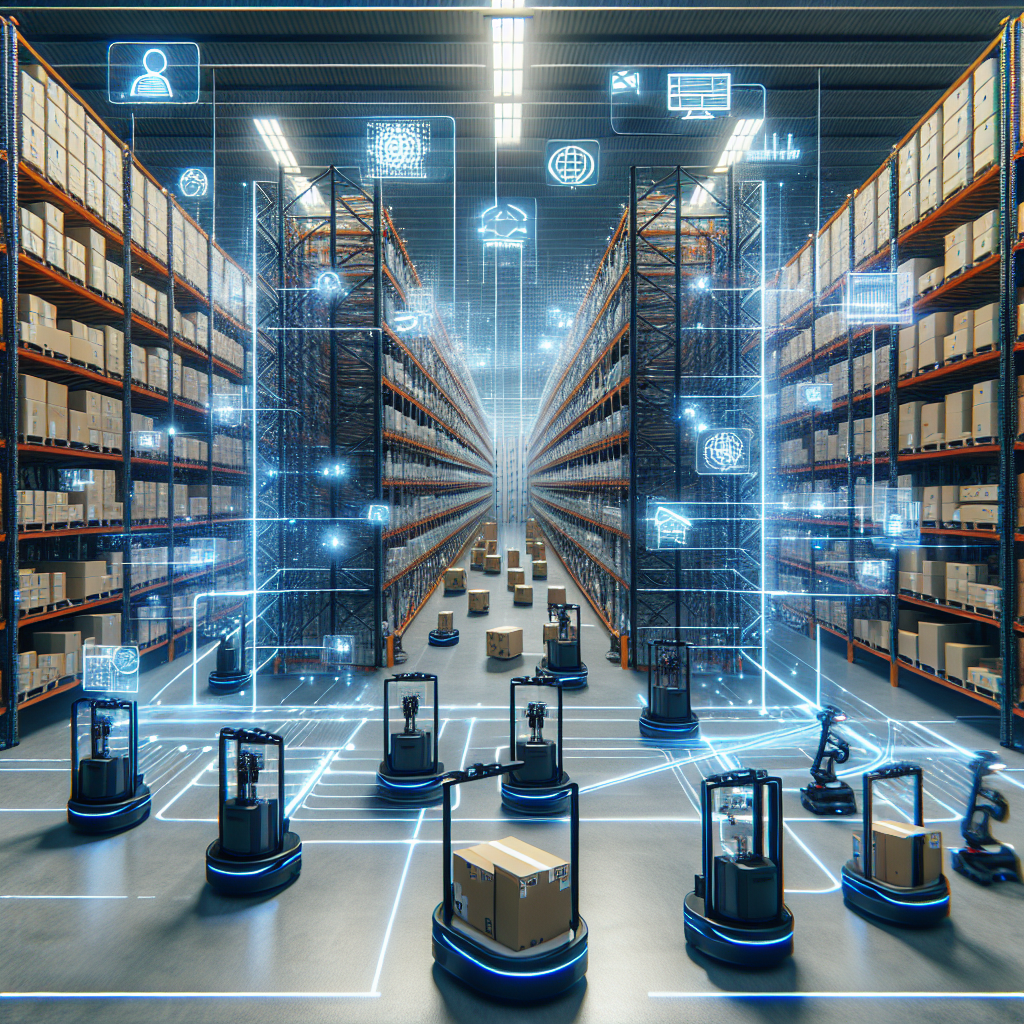
Real-time IoT inventory tracking is one of the most exciting developments in supply chain management right now, and for good reason. Instead of relying on manual counts or batch updates, IoT-enabled sensors and RFID tags give warehouse teams a live, accurate picture of exactly where every item is at any given moment.
Consider how Amazon’s fulfillment network uses IoT sensors and robotics to maintain near-perfect inventory accuracy across millions of SKUs. Their ability to locate, pick, and ship items within hours of an order placement is largely powered by real-time IoT inventory tracking infrastructure. For smaller businesses, the technology is becoming more accessible every year, with affordable RFID systems and cloud-connected barcode scanners now available at scale.
When disruptions hit, real-time visibility means you can immediately identify which warehouses have available stock, reroute fulfillment, and communicate accurate timelines to customers — all without scrambling through spreadsheets or waiting for an end-of-day inventory report.
● IoT tracking provides live, accurate stock visibility across the entire warehouse
● Large-scale examples like Amazon prove the operational value of real-time data
● Smaller businesses now have access to affordable IoT solutions at meaningful scale
Warehouse Management: The Backbone of Disruption Response
Your warehouse management setup is often the difference between absorbing a logistics hit and completely falling apart under one. A well-organized warehouse with clearly defined slotting strategies, efficient pick paths, and integrated systems can dramatically speed up your response time when disruptions force last-minute changes.
Strong warehouse management practices also tie directly into your ability to handle demand surges. During the early days of pandemic-era lockdowns, companies with modern warehouse management systems (WMS) were able to rapidly shift priorities — pivoting from B2B bulk shipments to B2C individual orders almost overnight. Those without flexible systems were left scrambling to restructure operations manually.
Platforms like Infor WMS or Manhattan Associates provide the kind of dynamic slotting, labor management, and order orchestration capabilities that make this kind of agility possible. Pairing a strong WMS with capable inventory management software creates a powerful operational backbone.
● Organized warehouse management reduces response time during disruptions
● Flexible WMS platforms allow rapid pivots between fulfillment models
● Combining WMS with inventory software creates a resilient operational foundation
Lead Time Reduction: Shortening the Gap Between Order and Arrival
Lead time reduction is one of the most effective ways to shrink your exposure to supply chain disruptions. When the time between placing an order and receiving inventory is shorter, you’re less vulnerable to the unpredictable delays that are now baked into global shipping.
Businesses are pursuing lead time reduction through several strategies — nearshoring production closer to their end markets, diversifying their supplier base across multiple regions, and negotiating vendor-managed inventory (VMI) agreements that shift replenishment responsibility to the supplier. Each approach reduces the gap and the risk.
Technology plays a huge role here too. Integrated supply chain platforms can automate purchase orders based on reorder point triggers, cutting days or even weeks off the replenishment cycle by eliminating manual approval bottlenecks. That speed compounds quickly across a large product catalog.
● Shorter lead times mean less exposure to disruption windows
● Nearshoring and supplier diversification are key lead time reduction tactics
● Automated replenishment systems eliminate manual delays in the ordering cycle
Last-Mile Delivery Orchestration: The Final Frontier of Fulfillment
Last-mile delivery orchestration refers to the intelligent coordination of that final leg of delivery — from a local distribution hub directly to the customer’s door. It’s notoriously the most expensive and complex part of the entire supply chain, often accounting for over 50% of total shipping costs.
Smart last-mile delivery orchestration platforms use algorithms and real-time traffic, weather, and capacity data to dynamically assign deliveries to the most efficient carrier or driver at any given moment. Companies like FedEx and UPS have invested heavily in these systems, but a growing ecosystem of third-party platforms like Bringg and Onfleet now make this kind of intelligent routing accessible for mid-market businesses.
When logistics disruptions knock out a primary carrier or cause regional delays, a well-orchestrated last-mile setup allows you to instantly reroute through alternate providers — keeping delivery promises intact and customer satisfaction high even when the broader network is struggling.
● Last-mile delivery represents the most costly and complex fulfillment leg
● Orchestration platforms use real-time data to optimize carrier and route selection
● Flexible last-mile setups allow rapid rerouting during carrier or regional disruptions