





Understanding the World’s Most Vulnerable Maritime Highways
Hey there, logistics enthusiasts! If you’ve been following the news lately, you’ve probably noticed that global shipping routes are facing some serious challenges. Today, we’re diving into the critical maritime chokepoints that keep supply chain managers up at night—and more importantly, what you can do about them.
Maritime chokepoints are narrow waterways that handle massive volumes of global trade. When disruptions occur at these strategic locations, the ripple effects can impact everything from fuel prices at your local gas station to the availability of products on store shelves. Let’s explore the current challenges and practical solutions for navigating these turbulent waters.
Red Sea Shipping Disruptions: What’s Happening and Why It Matters
The Red Sea has become a hotspot for shipping concerns, and it’s easy to see why. This vital corridor connects the Mediterranean Sea to the Indian Ocean through the Suez Canal, handling roughly 12% of global trade. Recent Red Sea shipping disruptions have forced many carriers to reroute vessels around the Cape of Good Hope, adding thousands of nautical miles and weeks of transit time to journeys.
For businesses relying on just-in-time inventory systems, these delays can be catastrophic. The increased voyage time doesn’t just mean late deliveries—it also means higher fuel costs, increased crew expenses, and the need for additional vessels to maintain service frequency. Container rates on affected routes have skyrocketed, with some shippers seeing costs double or even triple compared to pre-disruption levels.
The Domino Effect on Global Commerce
When ships avoid the Red Sea route, the consequences extend far beyond longer transit times. Ports that normally handle this traffic experience reduced volumes, while alternative routes become congested. European and Asian manufacturers face inventory shortages, and retailers struggle to maintain stock levels during peak seasons. The automotive, electronics, and fashion industries have been particularly hard-hit by these disruptions.
Strait of Hormuz Maritime Security: The World’s Most Strategic Bottleneck
If the Red Sea is concerning, the Strait of Hormuz is absolutely critical. This narrow passage between Oman and Iran is the world’s most important oil chokepoint, with approximately 21 million barrels of petroleum passing through daily—that’s about 21% of global petroleum consumption!
Strait of Hormuz maritime security concerns aren’t new, but they remain a constant worry for energy markets and supply chain professionals alike. Any disruption here sends shockwaves through global energy prices, which in turn affects transportation costs across all industries. The strategic importance of this 21-mile-wide waterway cannot be overstated.
Managing Energy Supply Chain Vulnerabilities
Smart businesses are developing contingency plans that account for potential Hormuz disruptions. This includes diversifying energy sources, building strategic reserves, and establishing relationships with suppliers who have access to alternative shipping routes. While you can’t control geopolitical tensions, you can certainly prepare for their potential impact on your operations.
Tariff Impact Analysis: Adding Economic Pressure to Physical Constraints
As if navigating physical chokepoints wasn’t challenging enough, companies must also contend with the economic chokepoints created by tariffs and trade policies. Conducting a thorough tariff impact analysis has become essential for maintaining competitive pricing and protecting profit margins.
Recent trade tensions have created a complex web of duties and regulations that vary by product category, country of origin, and destination market. When combined with increased shipping costs from route disruptions, these tariffs can significantly erode margins. Some products that were once profitable to import have become economically unviable under current conditions.
Strategic Sourcing in a Tariff-Heavy Environment
Forward-thinking companies are reassessing their sourcing strategies to minimize tariff exposure. This might include nearshoring production, utilizing free trade agreements more effectively, or even reshoring certain operations. The key is understanding how tariffs interact with transportation costs to determine the true landed cost of goods.
Geopolitical Risk Mitigation in Logistics: Building Resilience
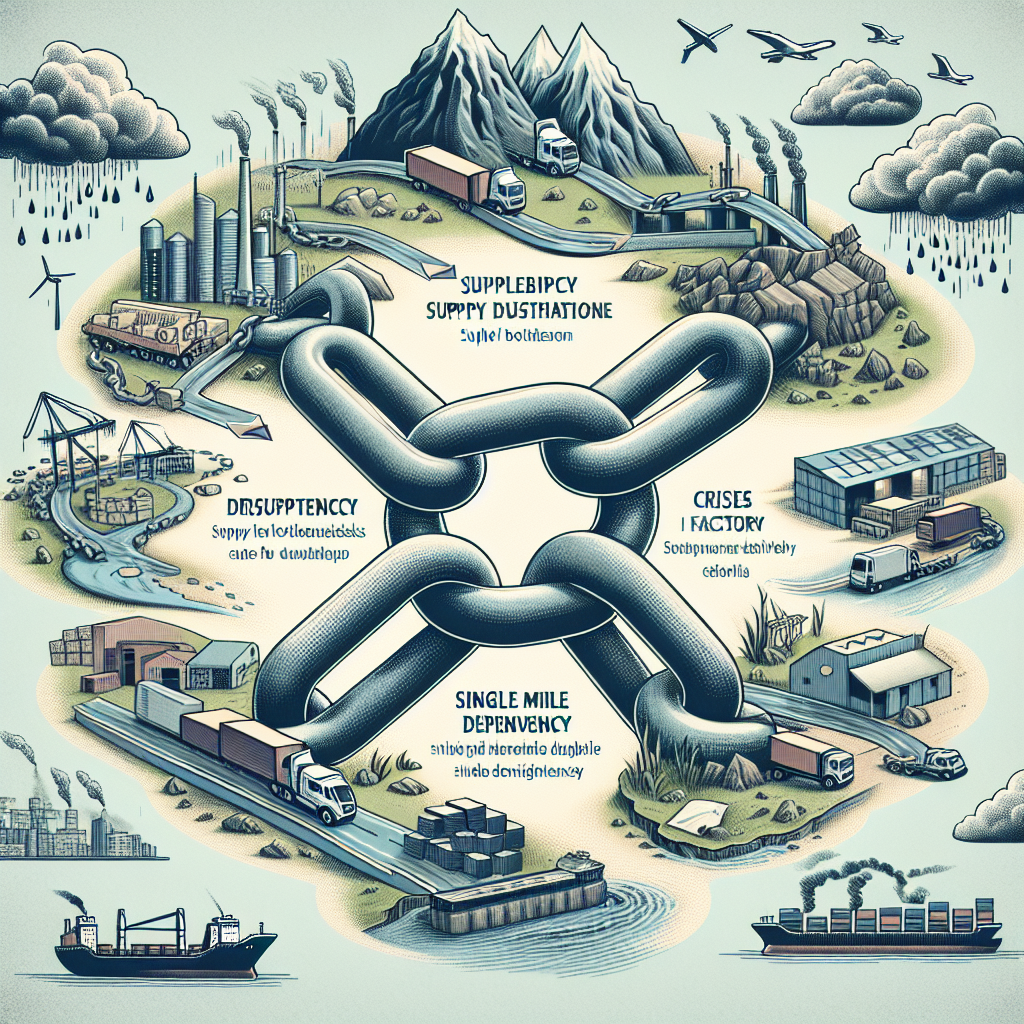
So how do you protect your supply chain from these converging challenges? The answer lies in proactive geopolitical risk mitigation in logistics. This means moving beyond traditional risk management to anticipate and prepare for political and security-related disruptions before they impact your operations.
Start by mapping your supply chain to identify dependencies on vulnerable chokepoints. Do you rely heavily on Red Sea routes? Is your energy supply particularly exposed to Hormuz disruptions? Understanding these vulnerabilities is the first step toward building resilience.
Diversification as a Defense Strategy
Diversification isn’t just for investment portfolios—it’s crucial for supply chains too. This means working with multiple carriers, maintaining relationships with suppliers in different regions, and having backup plans for critical components. Yes, this redundancy costs money, but it’s far less expensive than dealing with a complete supply chain breakdown.
Building Strategic Inventory Buffers
While lean inventory practices have dominated logistics thinking for decades, the current environment calls for a more balanced approach. Strategic safety stock for critical items can provide breathing room when disruptions occur. This doesn’t mean abandoning efficiency, but rather optimizing for resilience alongside cost-effectiveness.
Real-Time Chokepoint Tracking: Technology to the Rescue
Here’s some good news: modern technology makes it easier than ever to monitor maritime chokepoints and adjust your strategies accordingly. Real-time chokepoint tracking platforms provide visibility into vessel movements, security incidents, and congestion levels at critical waterways.
These platforms use satellite data, AIS (Automatic Identification System) tracking, and news feeds to give you a comprehensive picture of what’s happening at key shipping corridors. When potential disruptions emerge, you’ll know about them quickly enough to reroute shipments, adjust inventory plans, or communicate proactively with customers.
Integrating Real-Time Data into Decision Making
The real value of tracking technology comes from integrating it into your decision-making processes. Set up alerts for chokepoints that affect your critical routes. Establish protocols for responding to different severity levels of disruptions. Use historical data to identify patterns and seasonal risks that might affect your planning.
Practical Steps for Supply Chain Professionals
Let’s get practical. What can you do this week to strengthen your supply chain against chokepoint disruptions? First, conduct a vulnerability assessment of your current shipping routes and identify which chokepoints pose the greatest risk to your operations.
Next, open conversations with your carriers and freight forwarders about contingency routing options. Understand the cost and time implications of alternative routes before you need them urgently. Knowledge is power when disruptions strike.
Communication is Key
Develop communication protocols for different disruption scenarios. Your sales team, customers, and internal stakeholders need to understand how chokepoint issues might affect deliveries. Proactive communication builds trust and allows everyone to adjust their plans accordingly.
Collaborate with Industry Partners
You’re not alone in facing these challenges. Industry associations, trade groups, and even competitors-turned-collaborators can share intelligence and best practices. Many companies are finding that cooperative approaches to chokepoint challenges benefit everyone in the ecosystem.
Looking Ahead: Building a More Resilient Future
The challenges facing maritime chokepoints aren’t going away anytime soon. Geopolitical tensions, climate change impacts on canal operations, and evolving trade policies will continue to create complexity for supply chain professionals. However, companies that invest in resilience today will be better positioned to thrive tomorrow.
Think of chokepoint risk management as an ongoing journey rather than a one-time project. Regular reviews of your strategies, continuous monitoring of global developments, and willingness to adapt your approaches will serve you well in this dynamic environment.
Remember, every challenge also creates opportunities. Companies that master the art of navigating Red Sea shipping disruptions, Strait of Hormuz maritime security concerns, and tariff complexities will gain competitive advantages. Your ability to deliver reliably when others struggle becomes a powerful differentiator in the marketplace.