
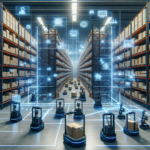






Understanding Today's Supply Chain Challenges
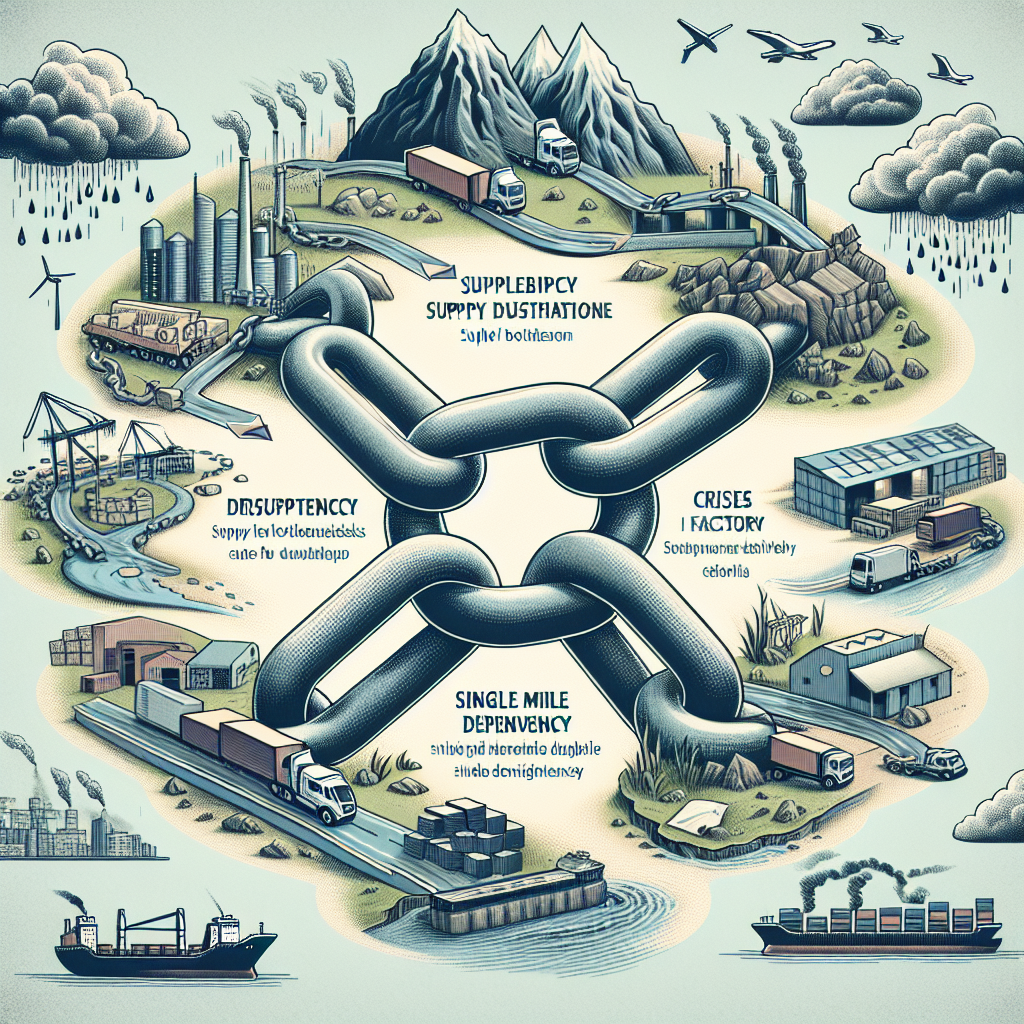
If you’ve been feeling the pressure of supply chain uncertainty lately, you’re definitely not alone! Between global events, changing consumer demands, and unexpected bottlenecks, businesses everywhere are grappling with shipping disruption and logistics disruption that seem to pop up when we least expect them. The good news? Modern technology and smart strategies are here to help us navigate these choppy waters with confidence.
Supply chain challenges aren’t just inconveniences—they directly impact your bottom line, customer satisfaction, and competitive edge. But here’s the thing: while we can’t control every external factor, we absolutely can control how we respond and adapt. Let’s explore some practical solutions that are making a real difference for businesses today.
Smarter Inventory Management in Uncertain Times
Moving Beyond Traditional Approaches
Remember when just-in-time inventory was the gold standard? While it’s still valuable in stable conditions, recent years have exposed the just-in-time inventory risks that come with minimal buffer stock. When disruptions hit, companies with razor-thin inventory levels found themselves unable to meet customer demand, losing sales and damaging relationships they’d worked years to build.
The solution isn’t to abandon efficiency entirely, but rather to embrace flexibility. This means developing a robust safety stock strategy that balances the cost of holding inventory against the risk of stockouts. Think of it as insurance—you hope you won’t need it, but you’ll be grateful it’s there when trouble strikes.
Leveraging Inventory Management Software
Manual inventory tracking simply can’t keep pace with today’s complex, fast-moving supply chains. Modern inventory management software gives you the visibility and control you need to make smart decisions quickly. These platforms help you forecast demand more accurately, identify slow-moving products, and optimize reorder points based on actual data rather than gut feelings.
Even better, today’s solutions integrate seamlessly with your other business systems, creating a connected ecosystem where information flows freely. This means fewer errors, less time spent on manual data entry, and more time focusing on strategic improvements.
Real-Time Visibility: Your Secret Weapon
The Power of IoT Inventory Tracking
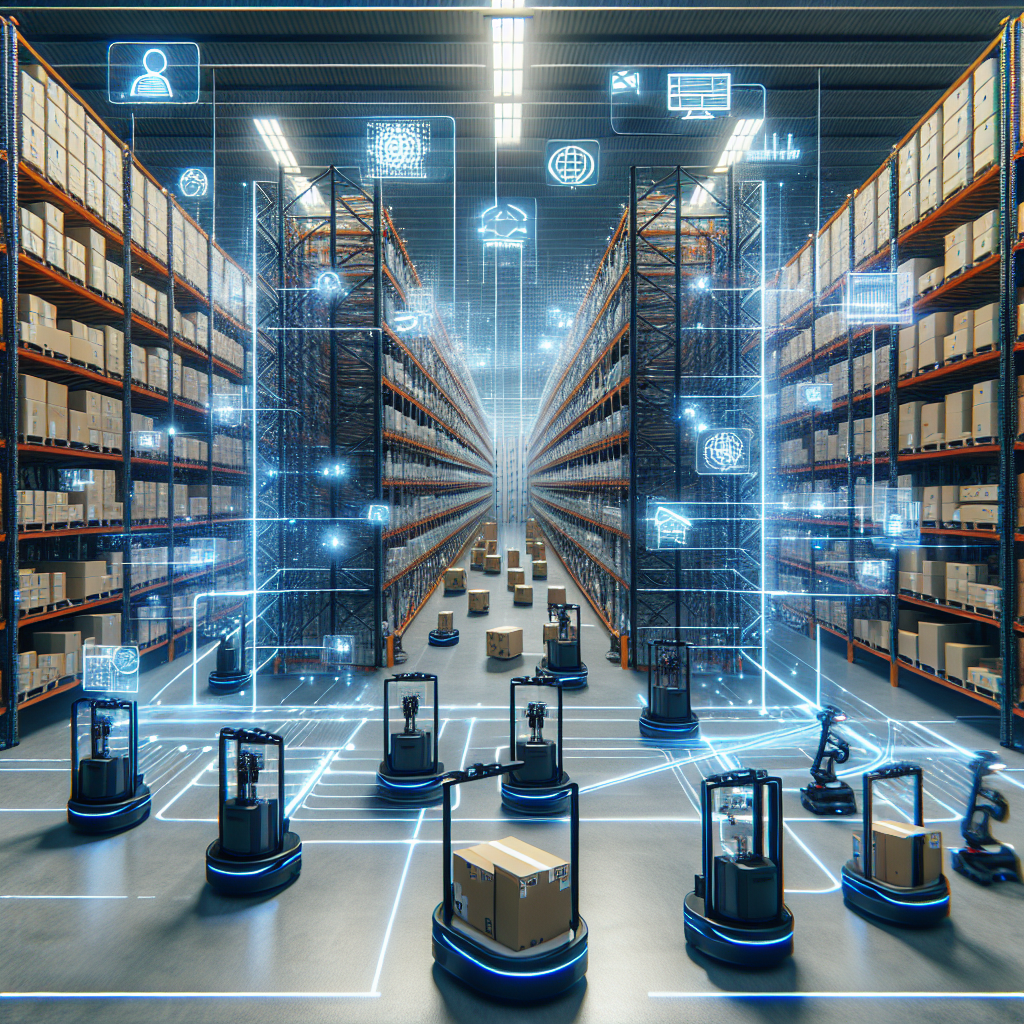
Imagine knowing exactly where every item in your inventory is located, what condition it’s in, and when it’s likely to run low—all in real time. That’s the promise of real-time IoT inventory tracking, and it’s no longer science fiction. Sensors, RFID tags, and connected devices are transforming warehouse operations by providing unprecedented visibility into inventory levels and movements.
This technology is particularly valuable when dealing with shipping disruption because it allows you to quickly identify alternative stock locations, reroute shipments, and keep customers informed with accurate information. Instead of scrambling to figure out what you have and where it is, you always have the answer at your fingertips.
Optimizing Warehouse Operations
Modern Warehouse Management Solutions
Your warehouse is the heart of your supply chain, and effective warehouse management can mean the difference between chaos and smooth operations. Today’s warehouse management systems do so much more than track bin locations—they optimize picking routes, manage labor resources, coordinate receiving and shipping, and even predict maintenance needs for equipment.
By streamlining warehouse operations, you can significantly contribute to lead time reduction, getting products to customers faster even when external logistics challenges slow things down. Efficiency gains inside your four walls help offset delays elsewhere in the supply chain.
Conquering the Last Mile Challenge
Last-Mile Delivery Orchestration
The final leg of a product’s journey to the customer is often the most complex and expensive. Last-mile delivery orchestration platforms help you coordinate multiple carriers, optimize delivery routes, provide accurate delivery windows to customers, and handle the inevitable exceptions that arise.
These solutions are especially crucial when facing logistics disruption because they give you the flexibility to quickly pivot between carriers, adjust delivery schedules, and communicate proactively with customers about any delays. In today’s market, keeping customers informed is almost as important as on-time delivery itself.
Strategies for Lead Time Reduction
Long lead times expose you to more risk and tie up more capital in inventory. Focusing on lead time reduction strategies helps build resilience while improving cash flow. This might mean diversifying your supplier base, nearshoring certain production, or identifying opportunities to consolidate shipments without sacrificing speed.
Technology plays a huge role here too. Automated ordering systems can trigger purchases as soon as inventory hits predetermined levels, eliminating the lag time of manual processes. Better forecasting means you can plan further ahead, giving suppliers more time to fulfill orders without rushing.
Building Resilience for the Future
The reality is that supply chain disruptions aren’t going away. Global complexity, climate events, geopolitical tensions, and rapid market changes mean uncertainty is here to stay. But that doesn’t mean you’re powerless! By embracing modern technology and smart strategies, you can build a supply chain that bends without breaking.
Start by assessing your current vulnerabilities. Where are your single points of failure? Which processes rely too heavily on manual work? Where do you lack visibility? Then prioritize investments in technology and process improvements that address your biggest risks and opportunities.
Remember, you don’t have to transform everything overnight. Even small improvements in inventory visibility, warehouse efficiency, or delivery coordination can yield significant benefits. The key is to keep moving forward, learning from each challenge, and continuously adapting to the changing landscape.
Supply chain management has never been easy, but with the right tools and strategies, you can turn disruption from a threat into an opportunity to outperform competitors who are slower to adapt. Here’s to building stronger, smarter, more resilient supply chains together!