





Understanding Today’s Maritime Challenges
If you’ve been following the news lately, you’ve probably noticed that shipping lanes around the world are facing some serious headwinds. Two critical waterways—the Red Sea and the Strait of Hormuz—are experiencing disruptions that are sending ripples through global supply chains. But don’t worry! In this post, we’ll break down what’s happening, why it matters, and how businesses are adapting to these challenges.
The Red Sea Situation: What You Need to Know
The Red Sea shipping disruptions have become one of the most talked-about issues in international trade. This vital waterway, which connects the Mediterranean Sea to the Indian Ocean through the Suez Canal, carries roughly 12% of global trade. When disruptions occur here, the effects are felt worldwide—from delayed deliveries to increased shipping costs.
Recent security concerns have forced many shipping companies to reroute vessels around the southern tip of Africa, adding weeks to journey times and significantly increasing fuel costs. This detour isn’t just an inconvenience; it’s a fundamental shift in how goods move between Europe, Asia, and the Americas.
Strait of Hormuz Maritime Security Concerns
Meanwhile, the Strait of Hormuz maritime security situation continues to demand attention. This narrow passage between the Persian Gulf and the Gulf of Oman is arguably the world’s most important oil chokepoint, with approximately 21 million barrels of petroleum passing through daily—that’s about 21% of global petroleum consumption!
Any tension in this region has immediate implications for energy markets and, by extension, the cost of virtually everything that needs to be transported. The strait’s strategic importance cannot be overstated, making its security a top priority for the international community.
The Economic Ripple Effect
Understanding Tariff Impact Analysis
When shipping routes are disrupted, the economic consequences extend far beyond transportation costs. Tariff impact analysis has become increasingly important as companies navigate these choppy waters. Longer routes often mean goods cross additional borders or require different customs procedures, potentially triggering new tariff considerations.
Businesses are discovering that a shipment rerouted around Africa might face different duty structures than one traveling through the Suez Canal. These additional costs add up quickly, affecting everything from retail prices to profit margins.
The Real Cost to Consumers and Businesses
Higher shipping costs don’t exist in a vacuum. They eventually make their way to store shelves and online shopping carts. Industries particularly affected include electronics, automotive, fashion, and any sector dependent on just-in-time inventory management. Small businesses often feel these pressures most acutely, as they typically have less negotiating power with carriers and fewer resources to absorb unexpected costs.
Strategic Responses: Geopolitical Risk Mitigation in Logistics
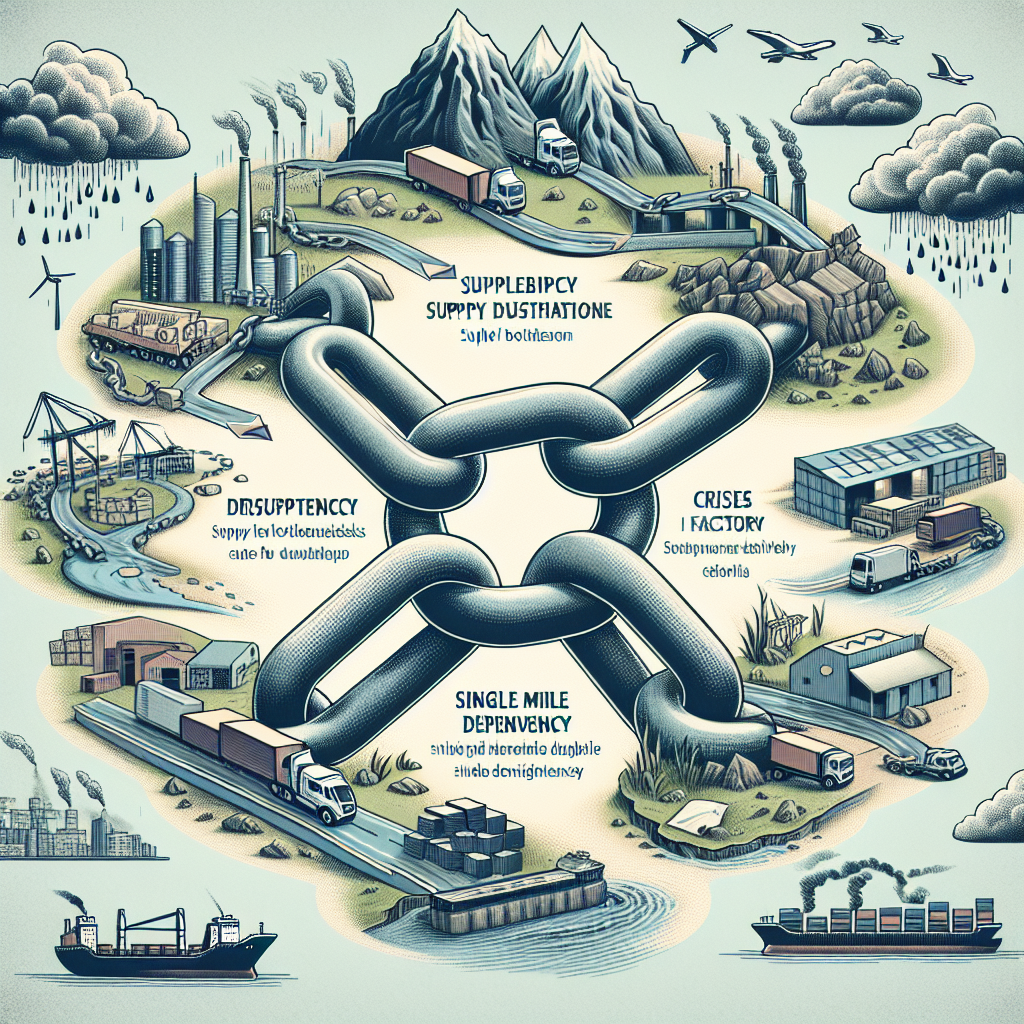
The good news? Companies aren’t sitting idle. Sophisticated geopolitical risk mitigation in logistics strategies are being deployed across industries. Forward-thinking businesses are diversifying their supplier bases, holding slightly larger inventories as buffers, and building more flexibility into their logistics contracts.
Some companies are establishing regional distribution centers to reduce dependence on single shipping routes. Others are investing in stronger relationships with multiple carriers, ensuring they have alternatives when primary routes face disruptions. The key is building resilience into supply chains rather than simply optimizing for the lowest cost.
Technology to the Rescue: Real-Time Chokepoint Tracking
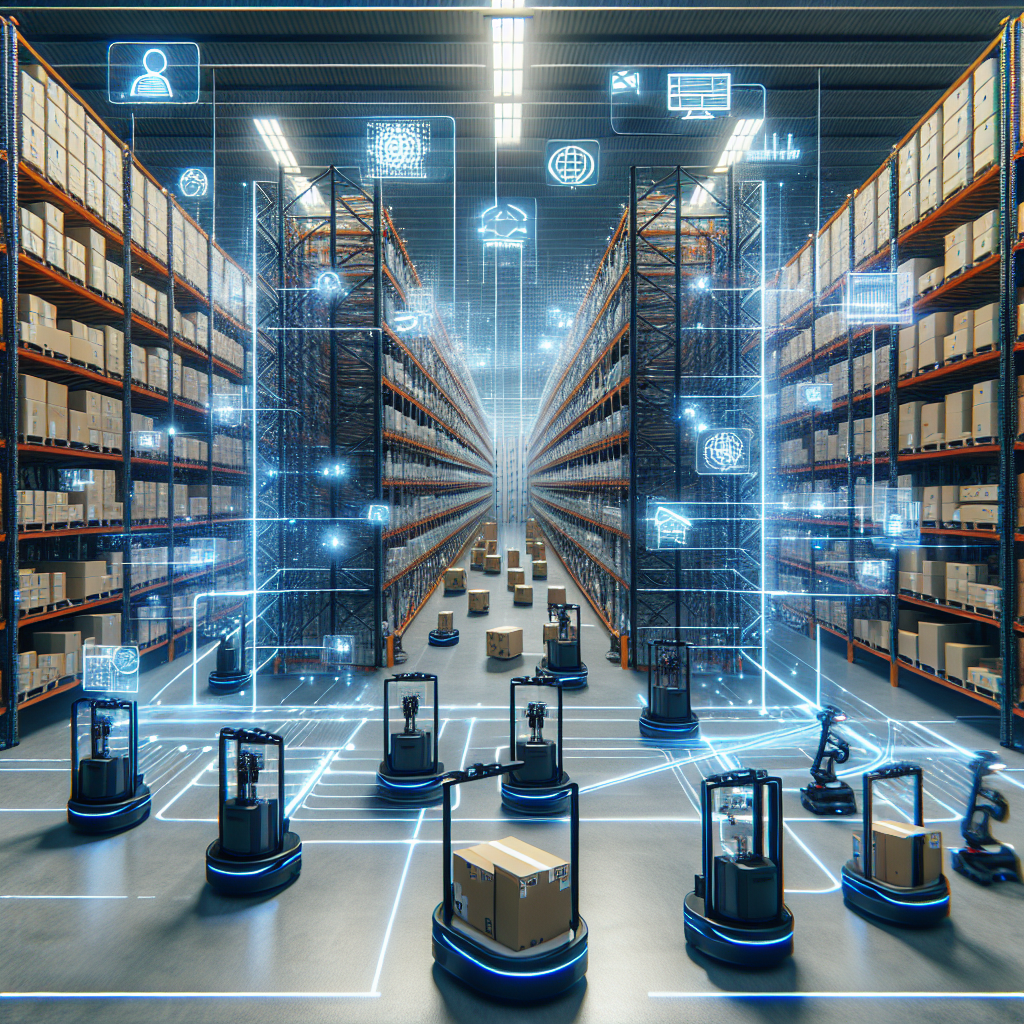
One of the most exciting developments in maritime logistics is the advancement of real-time chokepoint tracking technology. Modern shipping platforms now offer unprecedented visibility into vessel movements, potential disruptions, and alternative routing options.
These systems use satellite data, artificial intelligence, and machine learning to predict potential bottlenecks before they become critical problems. Logistics managers can now receive alerts about emerging security situations, weather events, or congestion at key chokepoints, allowing them to make proactive decisions rather than reactive ones.
This technology democratizes access to information that was once available only to the largest shipping companies, helping businesses of all sizes navigate complex geopolitical situations more effectively.