


The New Era of Supply Chain Management
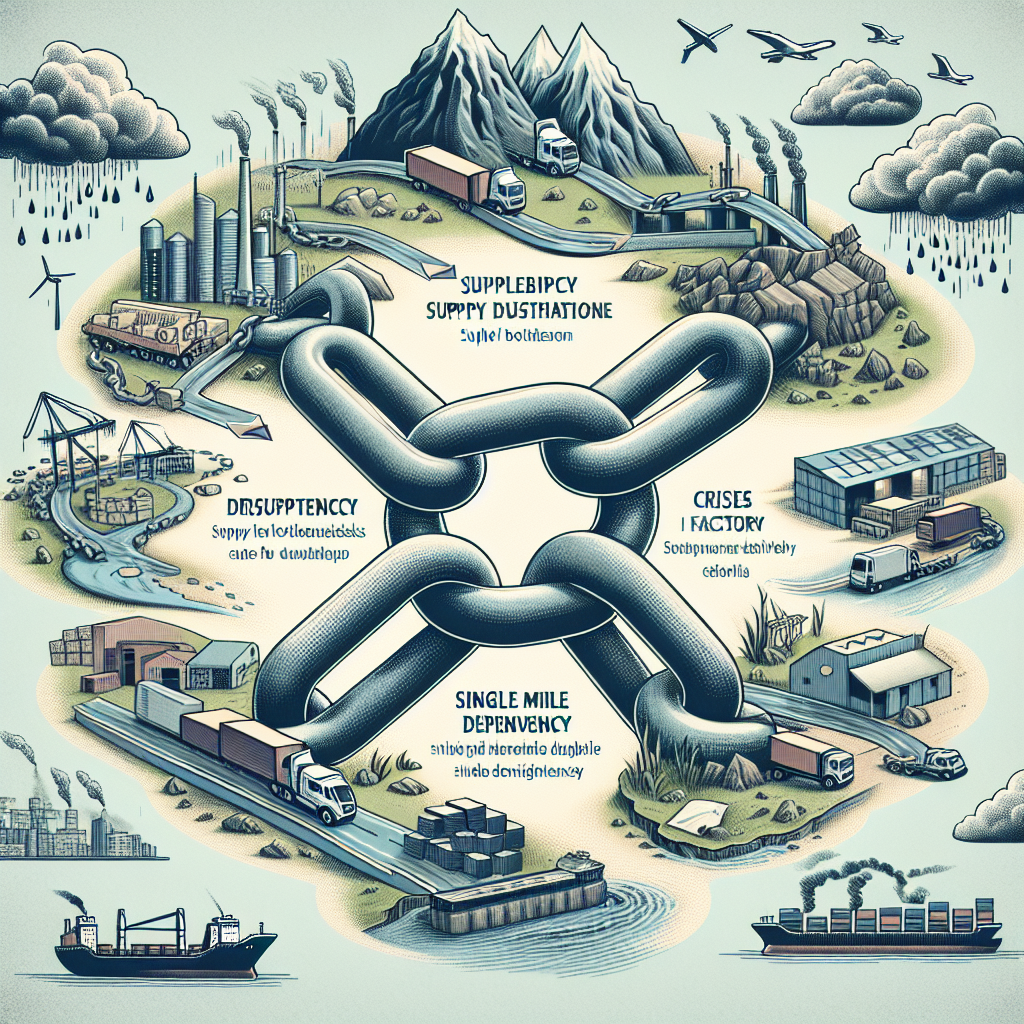
Hey there, supply chain enthusiasts! If you’ve been following the logistics world lately, you know that traditional supply chain management just isn’t cutting it anymore. Between global disruptions, shifting consumer demands, and increasingly complex networks, businesses need smarter, more adaptable approaches. That’s where supply chain resilience strategies come into play, and trust me, the innovations happening right now are nothing short of revolutionary.
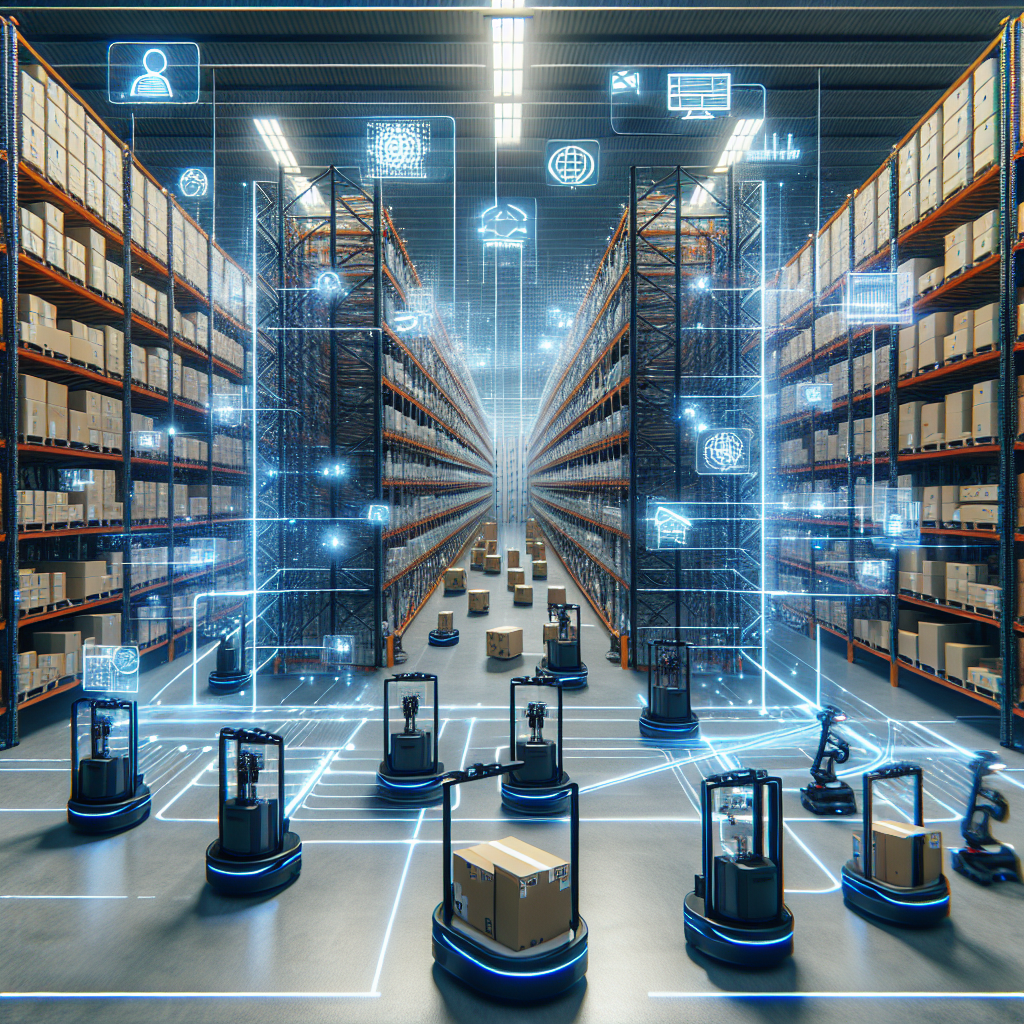
Today, we’re diving into how cutting-edge technologies like digital twins, real-time tracking systems, and artificial intelligence are completely transforming how companies manage their logistics operations. Whether you’re a supply chain professional or just curious about how your online orders arrive so quickly, this post will give you some fascinating insights into the future of logistics.
Supply Chain Digital Twins: Your Virtual Crystal Ball
Imagine having a complete virtual replica of your entire supply chain that you could test, analyze, and optimize without disrupting real-world operations. That’s exactly what supply chain digital twins offer! These sophisticated virtual models mirror your physical supply chain in real-time, allowing you to simulate different scenarios and predict outcomes before making critical decisions.
Think of it like having a flight simulator for your supply chain. Want to know how a port closure in Singapore would affect your delivery schedules? Your digital twin can show you. Curious about whether opening a new distribution center in Ohio would improve efficiency? Run it through your digital twin first. This technology is becoming essential for companies serious about building resilient supply chains that can weather any storm.
The Power of Simulation and Prediction
What makes digital twins so powerful is their ability to incorporate real-time data from across your entire network. They’re constantly learning and updating, which means they become more accurate over time. Companies using this technology report being able to identify potential disruptions weeks or even months in advance, giving them precious time to develop contingency plans and maintain smooth operations.
Real-Time Chokepoint Tracking: Staying Ahead of Bottlenecks
We’ve all experienced the frustration of delays, but imagine being able to see problems forming before they actually impact your supply chain. That’s the beauty of real-time chokepoint tracking systems. These intelligent monitoring tools continuously scan your supply network for potential bottlenecks, congestion points, and disruption risks.
Whether it’s a traffic jam at a major port, weather events affecting transportation routes, or capacity issues at a warehouse, real-time chokepoint tracking gives you eyes everywhere. The best part? These systems don’t just alert you to problems—they often suggest alternative routes or solutions, helping you keep goods flowing smoothly even when challenges arise.
From Reactive to Proactive Management
The shift from reactive firefighting to proactive problem-solving is one of the most significant benefits of modern supply chain resilience strategies. Instead of scrambling when something goes wrong, companies can now anticipate issues and implement solutions before customers even notice there was a potential problem. This level of responsiveness is becoming a major competitive advantage in today’s fast-paced market.
Multi-Tier Supplier Visibility: Seeing Beyond the Horizon
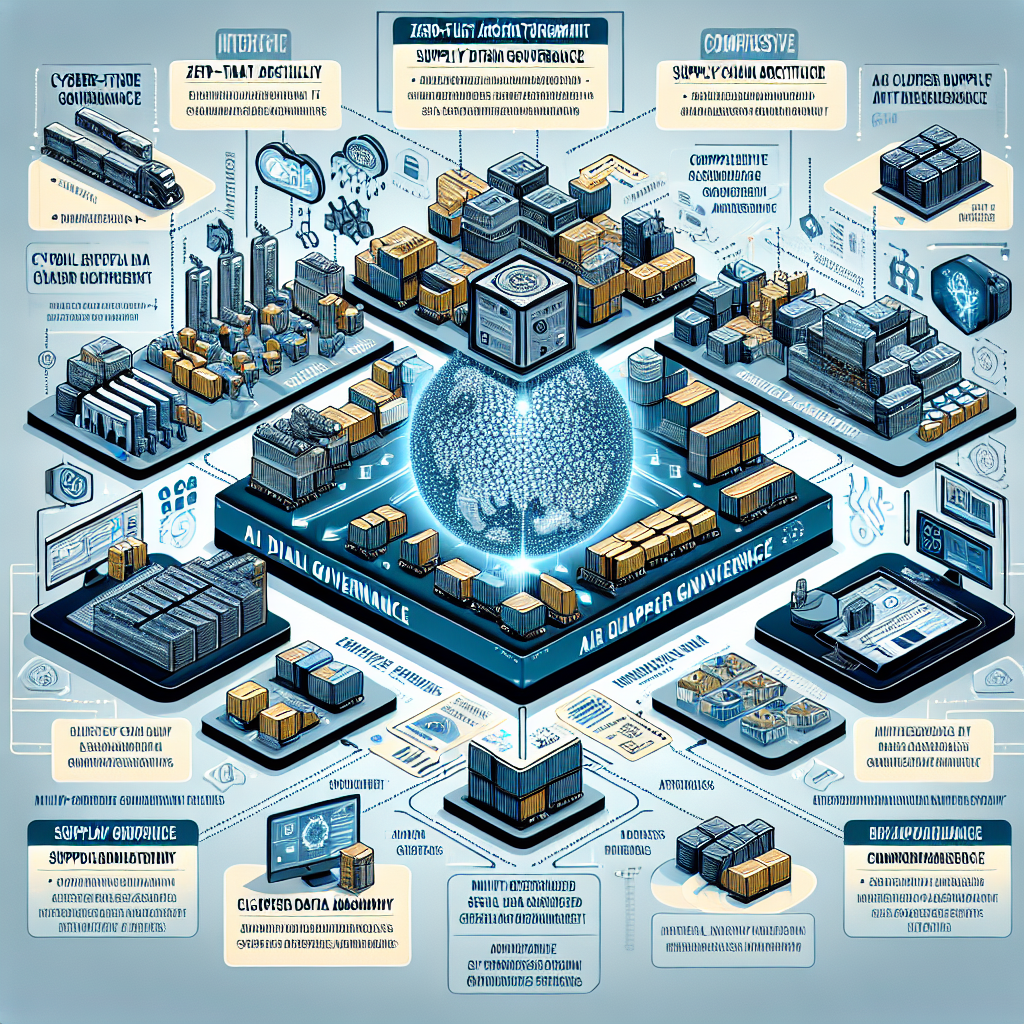
Here’s a question: do you really know where all your products come from? Most companies have good visibility into their direct suppliers, but what about the suppliers behind those suppliers? Multi-tier supplier visibility is all about extending your line of sight deep into your supply chain, understanding not just your immediate partners but the entire ecosystem supporting your operations.
This comprehensive visibility is crucial for identifying hidden risks. Maybe your direct supplier is rock-solid, but what if they depend on a component manufacturer in a politically unstable region? With multi-tier visibility, you can spot these vulnerabilities and develop backup plans long before they become critical issues.
Building Transparency and Trust
Beyond risk management, multi-tier visibility also helps with sustainability initiatives, quality control, and ethical sourcing. Consumers increasingly want to know the full story behind their products, and companies that can provide that transparency build stronger brand loyalty and trust. It’s a win-win for everyone involved.