





Global businesses today face an unprecedented level of supply chain disruption, driven by geopolitical tensions, climate events, and shifting consumer demand. Understanding where your supply chain is fragile — and how to fix it — is no longer optional. It is a strategic imperative for long-term business survival.
Understanding Supply Chain Vulnerability and Fragility
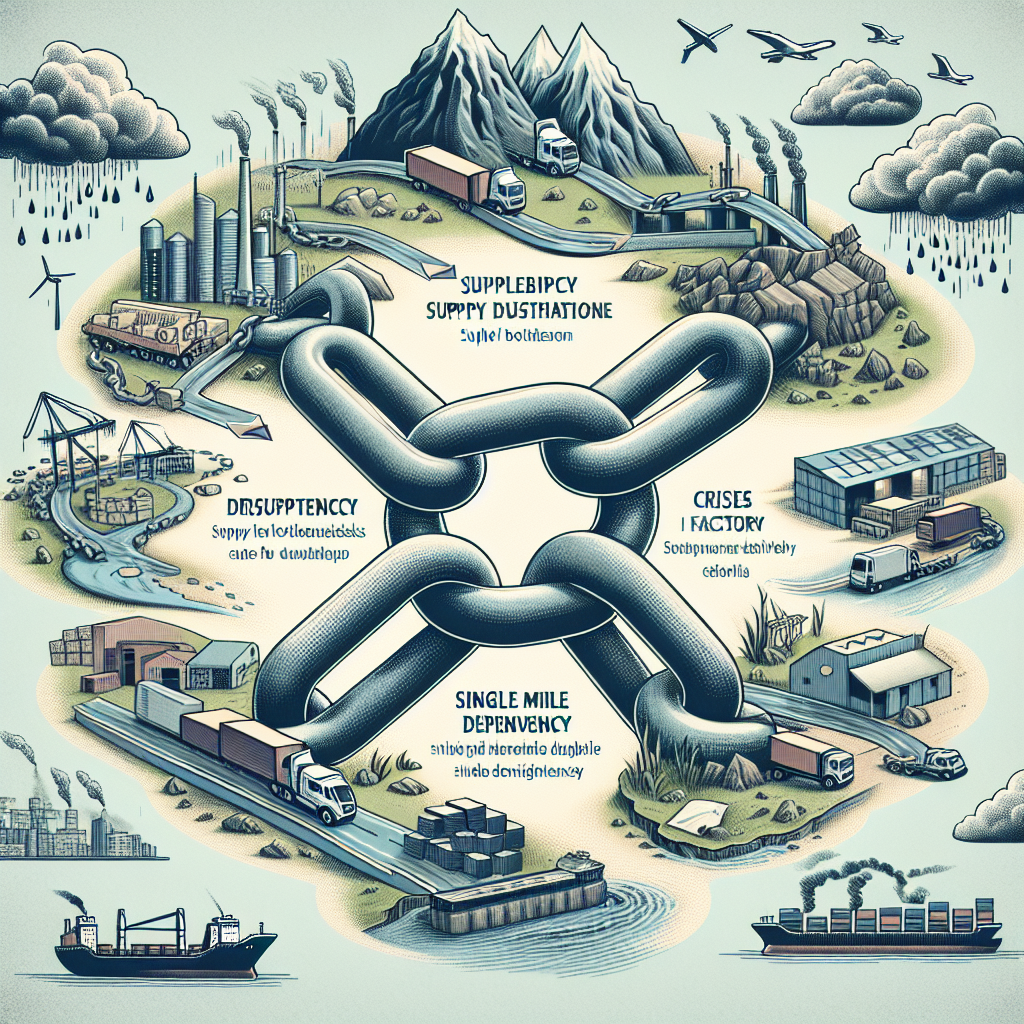
Supply chain vulnerability refers to any weak point where an unexpected event can trigger cascading failures across your operations. Supply chain fragility is the broader condition that makes a network susceptible to those shocks in the first place.
A striking example is the 2021 Suez Canal blockage, when the Ever Given container ship ran aground and halted approximately $9.6 billion in daily global trade. This single event exposed how deeply interconnected — and dangerously fragile — modern supply networks have become. Businesses relying on just-in-time delivery models suffered immediate inventory gaps and revenue losses that took months to recover from.
Identifying fragility early requires mapping every node in your supply network, from raw material sourcing to final delivery. Companies that conduct regular supply chain risk management audits are far better positioned to absorb shocks than those that operate reactively.
Key Points
- Supply chain fragility often hides in overlooked dependencies and single-source relationships.
- High-profile disruptions like the Suez Canal blockage demonstrate how one failure point affects global trade.
- Proactive risk audits are the foundation of effective vulnerability management.
Common Causes of Supply Chain Disruption
Supplier failure and single source dependency are among the most common triggers of a full-scale supply chain crisis. When a business relies on one supplier for a critical component, any disruption to that supplier — whether financial insolvency, natural disaster, or geopolitical conflict — immediately halts production.
The COVID-19 pandemic revealed severe raw material shortages across industries, from semiconductor chips to pharmaceutical ingredients. According to a 2021 McKinsey report, companies can expect supply chain disruptions lasting a month or longer to occur every 3.7 years on average. Industries like automotive manufacturing experienced billion-dollar production losses simply because of chip shortages rooted in a handful of single-source suppliers in Asia.
Logistics disruption compounds the problem further. Port congestion, freight delays, and transportation bottlenecks can turn a manageable supply shortage into a prolonged crisis. The backlog at the Port of Los Angeles in 2021 saw over 100 container ships anchored offshore, creating ripple effects felt by retailers and manufacturers nationwide for over a year.
Key Points
- Single source dependency dramatically increases exposure to supplier failure and supply shortage.
- McKinsey data shows significant disruptions occur approximately every 3.7 years.
- Port congestion and transportation bottlenecks can rapidly escalate localized issues into systemic crises.
Recognizing Hidden Supply Chain Bottlenecks
A supply chain bottleneck is any constraint that slows the flow of goods, materials, or information through your network. These bottlenecks are not always visible until a supply chain shock forces them into the open.
Cold chain integrity is one frequently underestimated risk area. Cold chain disruption — the breakdown of temperature-controlled logistics — can result in the total loss of perishable goods, pharmaceuticals, or biological materials. During the COVID-19 vaccine rollout, cold chain failures were reported globally, resulting in the spoilage of millions of vaccine doses and highlighting critical infrastructure gaps.
Last mile delivery problems represent another hidden pressure point, particularly as e-commerce demand continues to surge. According to Capgemini Research, last mile delivery accounts for up to 41% of total supply chain costs, making it both a financial vulnerability and an operational bottleneck that directly affects customer satisfaction.
Key Points
- Cold chain disruption can result in total product loss and serious operational setbacks.
- Last mile delivery problems contribute significantly to cost overruns and customer dissatisfaction.
- Bottlenecks often remain invisible until a supply chain shock forces them to surface.
Building Supply Chain Resilience That Lasts
Achieving true supply chain resilience means designing your network to absorb shocks, recover quickly, and adapt to new conditions without catastrophic loss. Resilience is not about eliminating risk — it is about building the capacity to respond effectively when risk becomes reality.
Diversifying your supplier base is the single most impactful step most organizations can take. Businesses that maintained dual or multi-source supplier strategies during the pandemic experienced significantly shorter recovery times than single-source-dependent competitors. Pairing supplier diversification with strategic inventory buffers and nearshoring initiatives creates multiple layers of protection against disruption.
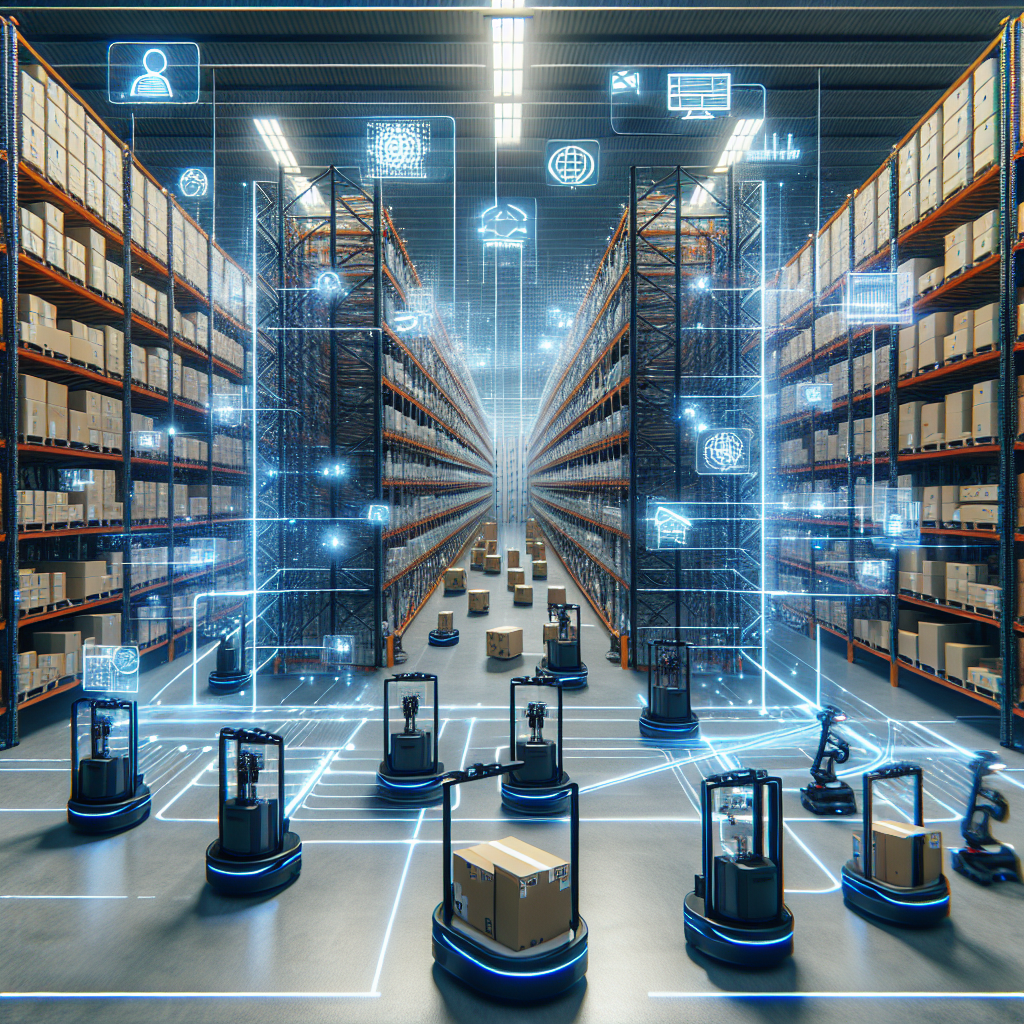
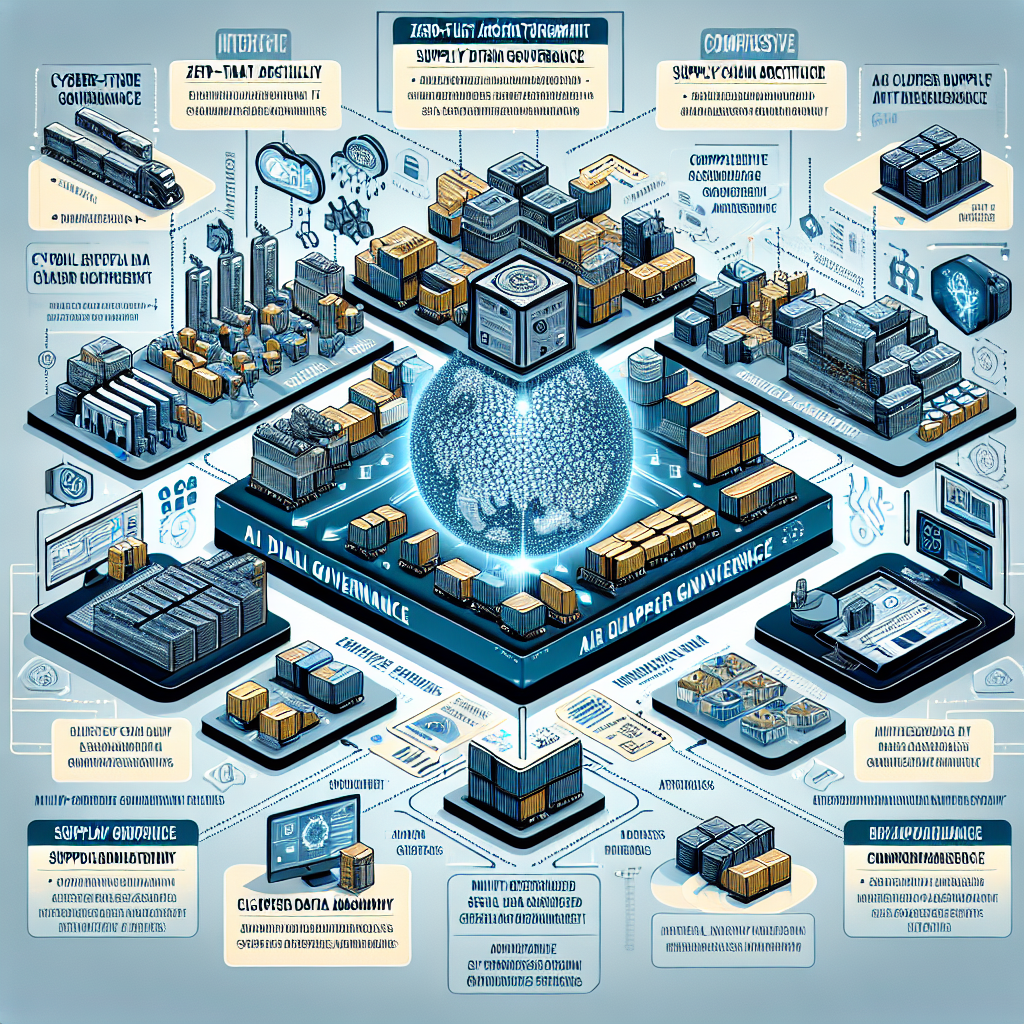
Technology plays an equally critical role. Real-time supply chain visibility platforms, AI-powered demand forecasting tools, and digital twin simulations allow businesses to model disruption scenarios before they occur. Tools like Gartner’s Supply Chain Technology frameworks and platforms such as Resilinc enable companies to monitor supplier risk in real time and trigger response protocols proactively. For procurement professionals looking to source resilient supply solutions, BestInSupplies.com offers a curated range of vetted supply options to support business continuity.
Key Points
- Multi-source supplier strategies are the most effective defense against supplier failure and supply shortage.
- Real-time visibility platforms and AI forecasting tools are essential for modern supply chain risk management.
- Strategic inventory buffers and nearshoring add critical redundancy to supply chain networks.
Key Takeaways
Supply chain disruption is an unavoidable reality in today’s interconnected global economy. The businesses that survive — and thrive — are those that invest in identifying vulnerabilities before a crisis strikes and building the operational resilience to respond effectively when it does.
- Conduct regular supply chain risk management audits to surface hidden vulnerabilities and single source dependencies.
- Diversify your supplier base to reduce exposure to supplier failure and raw material shortage.
- Address logistics disruption risks including port congestion, freight delays, cold chain disruption, and last mile delivery problems with technology and redundancy planning.
- Use real-time visibility tools and AI-driven platforms to detect supply chain bottlenecks and model supply chain shock scenarios.
- Build supply chain resilience as a continuous strategic discipline, not a one-time response to crisis.
Ready to strengthen your supply chain from the ground up? Explore BestInSupplies.com — your trusted partner in supply chain resilience and smarter sourcing decisions.