






Supply chain disruption has become one of the most pressing challenges facing businesses of all sizes. From sudden raw material shortages to widespread logistics disruption, the vulnerabilities embedded in modern supply networks can surface without warning — and the consequences can be severe. Understanding where those vulnerabilities lie, and acting before the next crisis hits, is no longer optional; it’s a strategic imperative.
Understanding Supply Chain Vulnerability and Fragility
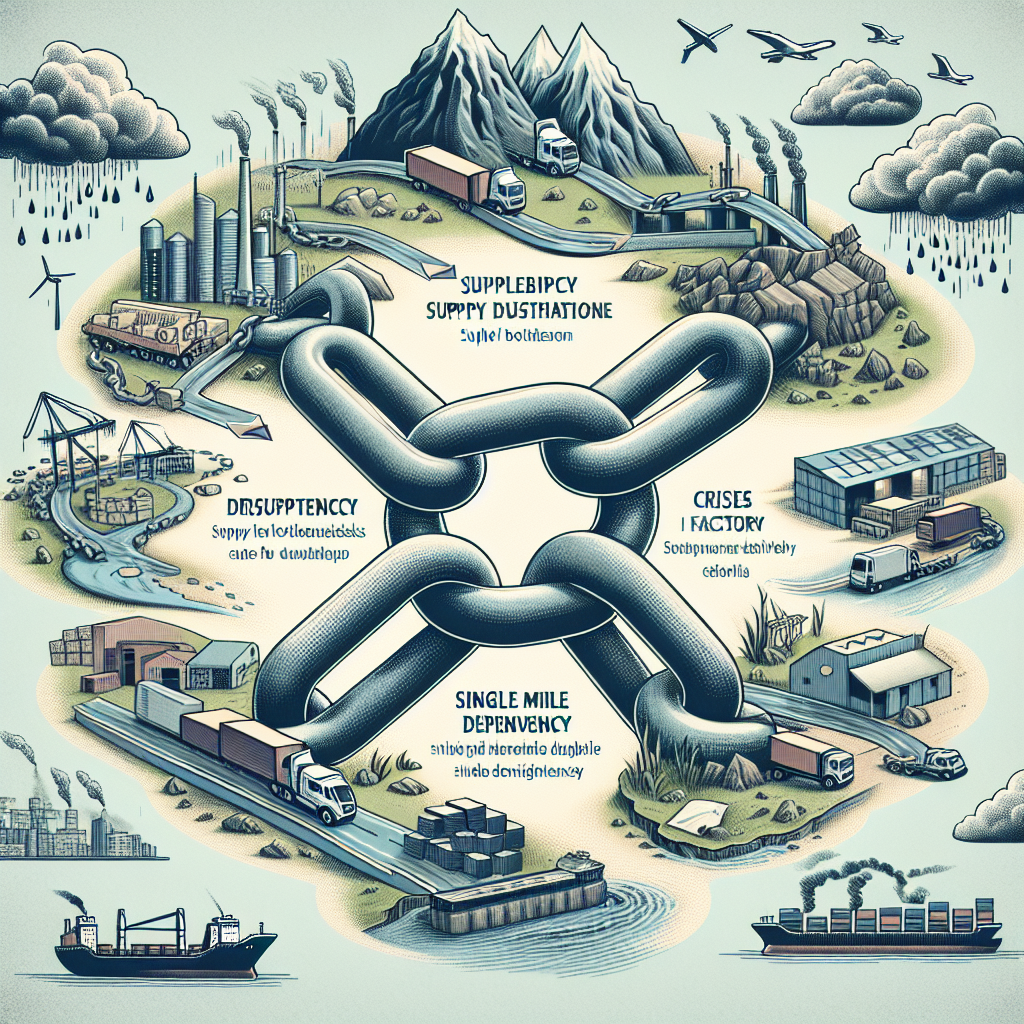
Supply chain vulnerability refers to the degree to which a supply network is exposed to risks that can interrupt the flow of goods, services, or information. Supply chain fragility often compounds this risk when companies rely on lean inventory models, just-in-time delivery, and minimal redundancy. According to a McKinsey Global Institute report, companies can expect supply chain disruptions lasting one month or more every 3.7 years on average.
Single source dependency is one of the most common and dangerous forms of supply chain fragility. When a business relies on a single supplier for a critical component, any supplier failure — whether from financial collapse, natural disaster, or geopolitical tension — can halt production entirely. The 2011 Tōhoku earthquake and tsunami, for example, wiped out key automotive component manufacturers in Japan, triggering a global supply chain crisis that cost the auto industry billions.
Identifying these vulnerabilities requires a structured approach: mapping your full supply network beyond Tier 1 suppliers, assessing concentration risks, and evaluating geographic exposure. Without this visibility, companies are essentially managing blindfolded.
Key Points
● Supply chain fragility is amplified by lean inventory models and single source dependency.
● Supplier failure at any tier can cascade into a full supply chain crisis.
● Full network mapping beyond Tier 1 is essential to identifying hidden vulnerabilities.
Common Triggers of Supply Chain Disruption
Several recurring factors drive supply chain disruption across industries. Port congestion, freight delays, and transportation bottlenecks have repeatedly proven how interconnected — and fragile — global logistics systems are. During 2021 and 2022, congestion at the Port of Los Angeles and Long Beach caused delays averaging two to three weeks, backing up supply chains for retailers, manufacturers, and distributors across North America.
Raw material shortage is another persistent trigger. The global semiconductor shortage that began in 2020 disrupted industries from consumer electronics to automotive manufacturing, with Ford and GM forced to idle plants and cut production by millions of vehicles. This supply shortage illustrated how a single critical input, sourced from a concentrated geographic region, can paralyze entire industries.
Cold chain disruption and last mile delivery problems introduce additional complexity, particularly in pharmaceuticals, food, and medical supply sectors. Temperature excursions, inadequate storage infrastructure, and routing failures in the final delivery stage can render entire shipments unusable — adding cost, waste, and risk simultaneously. Businesses relying on cold chain logistics must invest in real-time monitoring and contingency routing to reduce exposure.
Key Points
● Port congestion and transportation bottlenecks can delay goods by weeks, cascading into broader supply shortages.
● Raw material shortage, as seen with semiconductors, can paralyze multiple industries simultaneously.
● Cold chain disruption and last mile delivery problems require dedicated contingency planning and monitoring technology.
Supply Chain Risk Management: A Proactive Framework
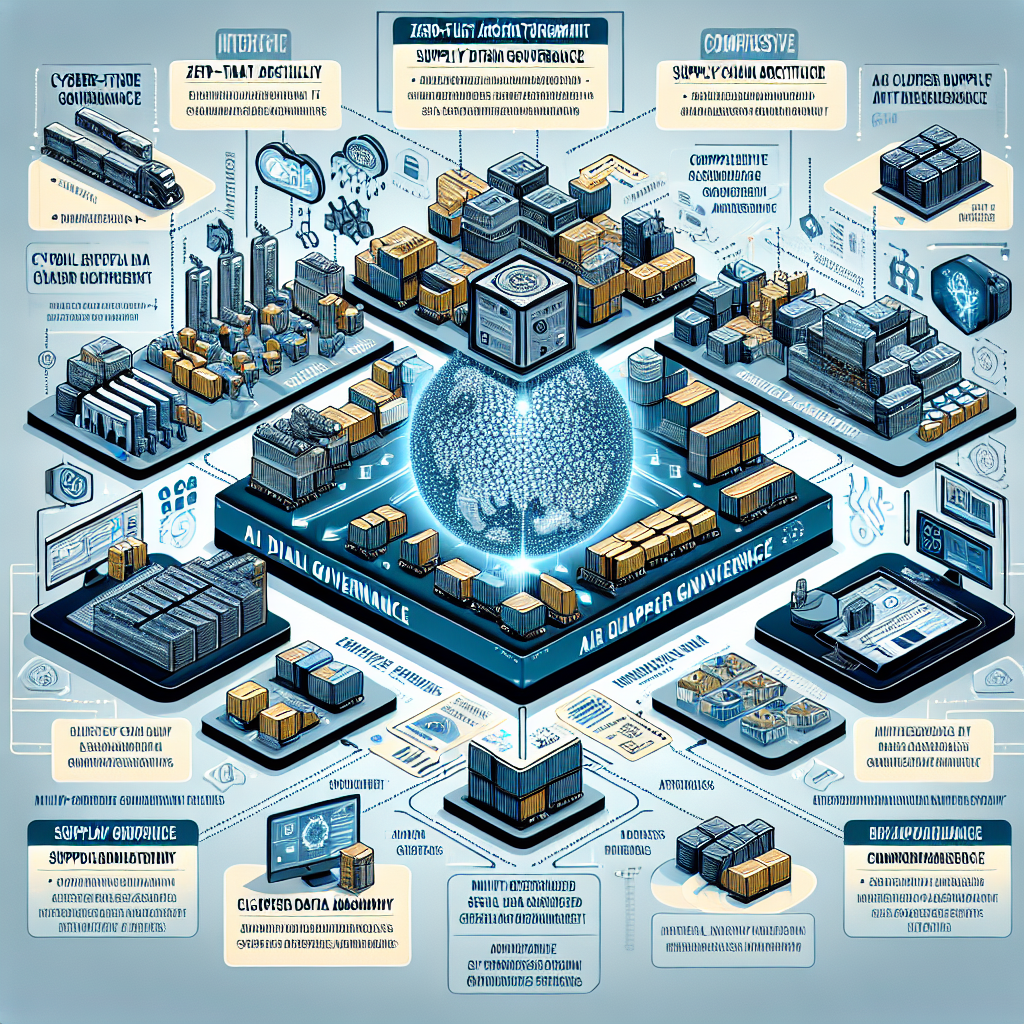
Effective supply chain risk management starts with visibility — you cannot manage what you cannot see. Companies should conduct regular risk assessments that evaluate supplier financial health, geopolitical exposure, natural disaster probability, and logistical dependencies. Tools like supply chain control towers and AI-powered analytics platforms have made it increasingly feasible to monitor risk in real time across complex, multi-tier networks.
Diversification is a foundational strategy for reducing supply chain shock exposure. This means qualifying multiple suppliers for critical materials, distributing manufacturing across regions, and holding strategic safety stock for high-risk components. The Gartner Supply Chain Top 25 consistently recognizes companies that balance efficiency with redundancy as leaders in resilience — a reminder that preparedness and performance are not mutually exclusive.
Contractual risk mitigation is equally important. Businesses should negotiate force majeure clauses, establish supplier performance metrics with accountability provisions, and require key suppliers to maintain their own business continuity plans. These structural safeguards turn risk management from a reactive posture into a proactive competitive advantage.
Key Points
● Real-time visibility tools are essential for proactive supply chain risk management.
● Supplier diversification and strategic safety stock reduce vulnerability to supply chain shock.
● Contractual safeguards and supplier business continuity requirements add a critical layer of structural protection.
Building Supply Chain Resilience for Long-Term Stability
Supply chain resilience is not about eliminating all risk — it is about building the capacity to absorb disruption and recover quickly. Resilient companies invest in relationships, not just transactions, cultivating collaborative partnerships with key suppliers that include shared forecasting, joint problem-solving, and aligned incentive structures. These relationships often determine which companies receive priority allocation during a supply chain bottleneck.
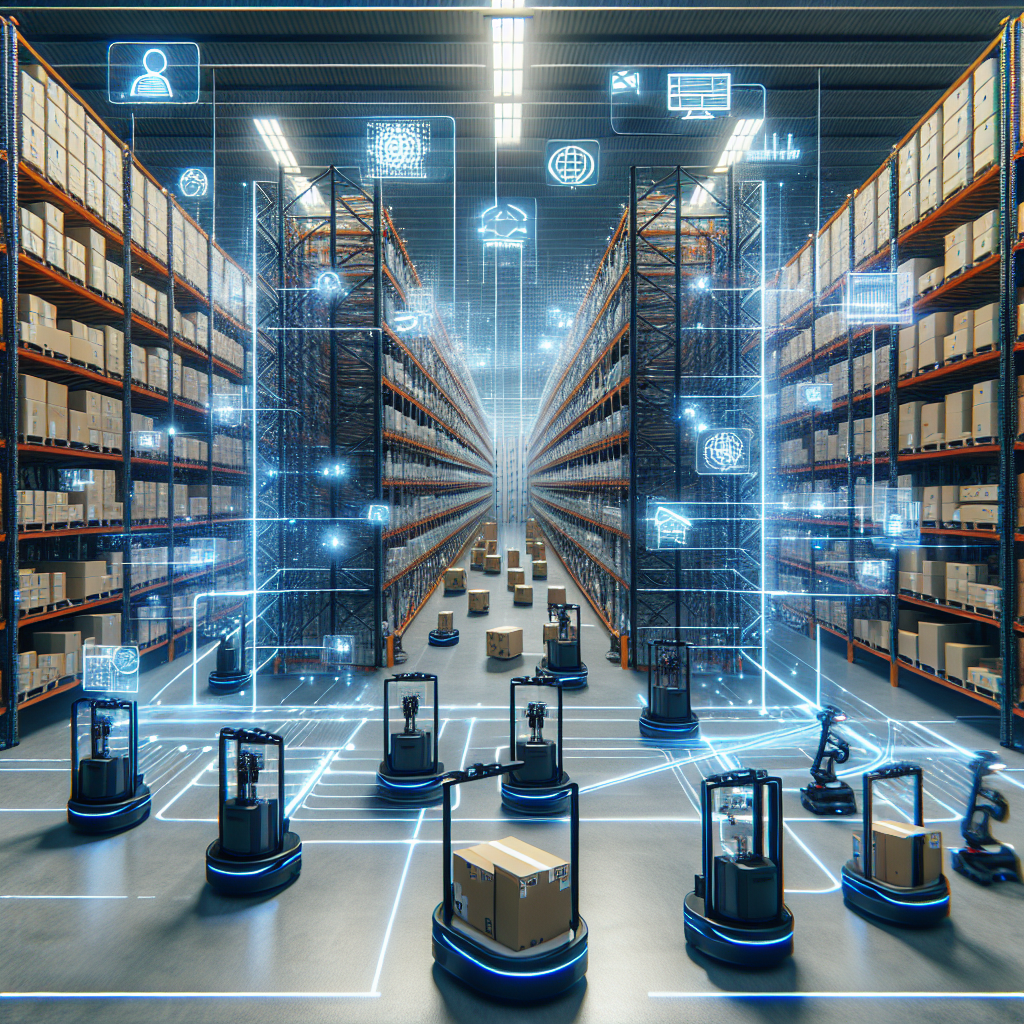
Technology investment plays a critical role in resilience building. Predictive analytics, IoT-enabled shipment tracking, and digital twin modeling allow companies to simulate disruption scenarios and test response strategies before a real crisis occurs. According to IBM’s Institute for Business Value, organizations that adopted AI-driven supply chain tools were 2.5 times more likely to have high resilience scores compared to those relying on traditional systems.
Finally, resilience requires a cultural commitment at the executive level. Supply chain strategy must be integrated into business continuity planning, boardroom risk discussions, and capital allocation decisions. Companies that treat supply chain resilience as a core business asset — rather than a back-office function — are consistently better positioned to navigate the next supply chain crisis with speed and confidence.
Key Points
● Supplier relationships and collaborative planning are foundational to supply chain resilience.
● Predictive analytics and digital twin modeling allow companies to simulate and prepare for supply chain disruption.
● Executive-level commitment is essential to embedding resilience as a strategic priority.
Key Takeaways
Building a resilient, risk-aware supply chain requires moving from reactive firefighting to proactive strategy. The stakes — financial, operational, and reputational — are too high to leave supply chain vulnerability unaddressed. Here are the most important actions to take:
● Map your supply network beyond Tier 1 to uncover hidden supply chain vulnerabilities and single source dependencies.
● Diversify suppliers and geographies to reduce exposure to raw material shortage, supplier failure, and logistics disruption.
● Invest in real-time visibility tools to monitor freight delays, port congestion, and transportation bottlenecks as they develop.
● Develop and test business continuity plans that specifically address cold chain disruption and last mile delivery problems.
● Treat supply chain resilience as a boardroom priority, integrating it into risk management frameworks and capital planning.
For more expert guidance on supply chain risk management, sourcing strategies, and supplier best practices, visit BestInSupplies.com — your trusted resource for supply chain intelligence and procurement solutions. Explore our related articles to deepen your understanding and strengthen your supply strategy today.