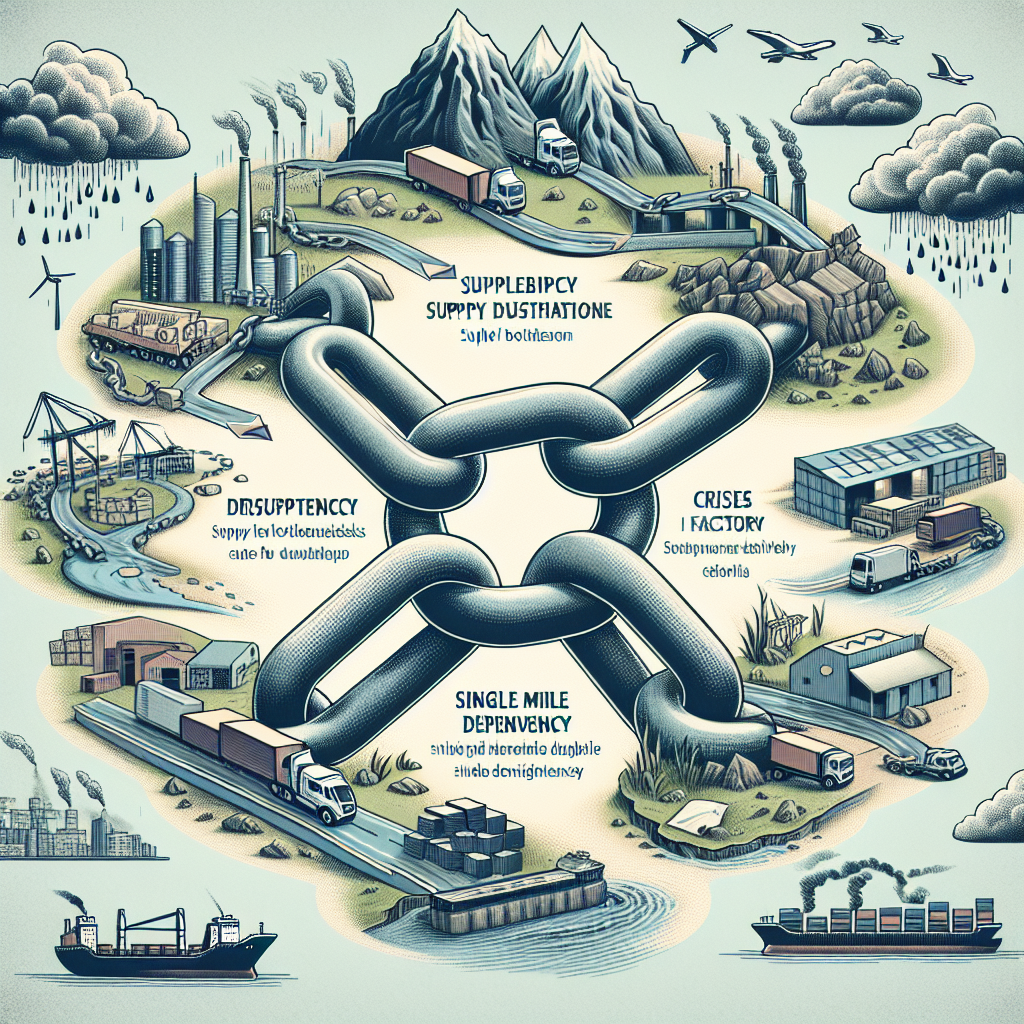






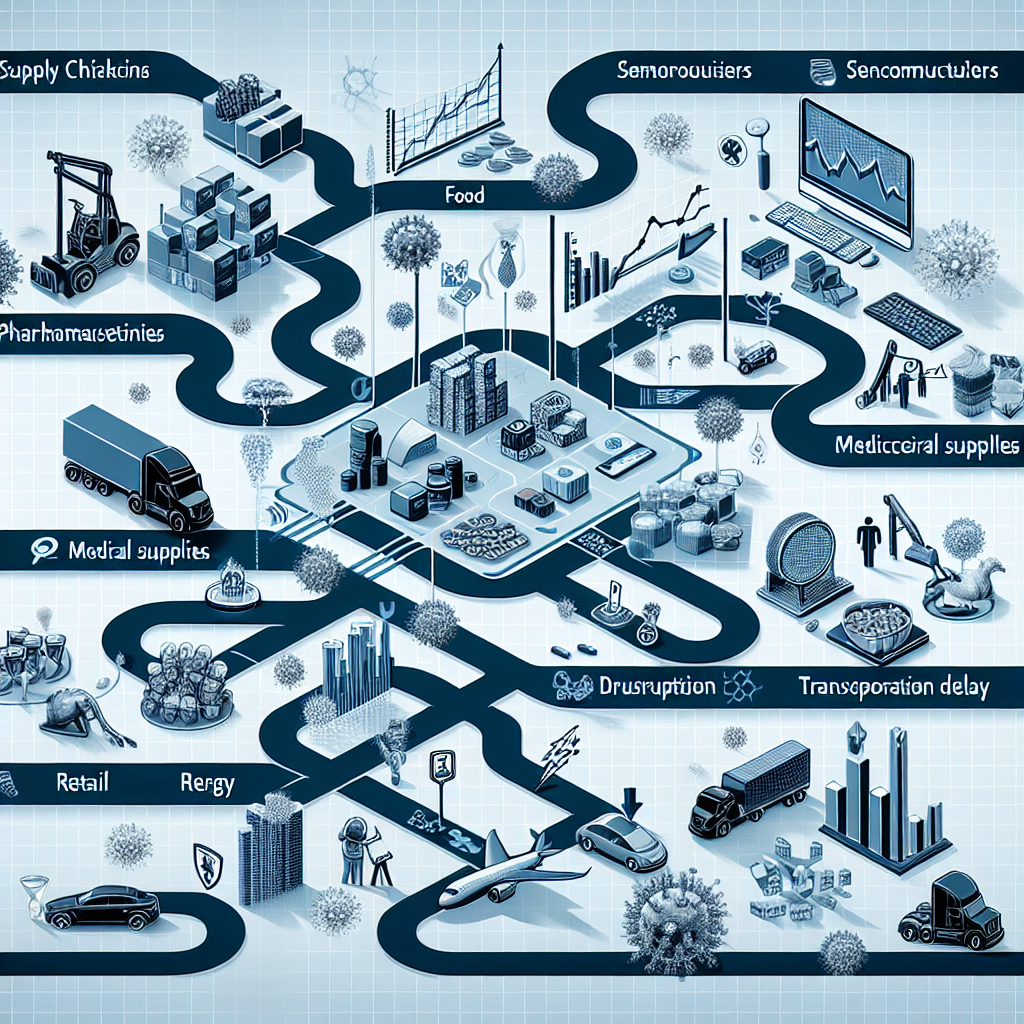
Supply chains around the world have been under serious pressure, and the ripple effects are touching almost every industry you can think of. From the pharmaceutical supply chain struggling to keep essential medicines on shelves, to the persistent semiconductor shortage slowing down everything from cars to consumer electronics, it’s a lot to unpack. Let’s break down what’s happening across major sectors, why it matters to everyday people, and what’s being done about it.
The Pharmaceutical Supply Chain Under Pressure
The pharmaceutical supply chain has faced mounting challenges, largely because so much of the world’s active pharmaceutical ingredient (API) production is concentrated in just a few countries, particularly India and China. When disruptions hit those regions — whether from geopolitical tensions, natural disasters, or regulatory crackdowns — shortages ripple outward fast.
A stark example is the ongoing shortage of generic drugs like amoxicillin and certain ADHD medications, which has left patients and pharmacies scrambling. According to the FDA’s drug shortage database, hundreds of medications remain in short supply at any given time, many of them critical for treating chronic conditions.
The medical supply shortage extends beyond medications to include surgical gloves, IV bags, and diagnostic equipment. Hospitals have had to implement conservation protocols just to get through routine procedures, which is a pretty sobering reality.
● The pharmaceutical supply chain is heavily dependent on a small number of overseas manufacturers.
● Medical supply shortages are affecting both medications and essential hospital equipment.
● Diversifying production sources is a top priority for governments and health organizations.
Semiconductor Shortage: Still a Big Deal
The semiconductor shortage that grabbed headlines a few years back hasn’t fully resolved itself. Chips are the backbone of modern technology, and demand has only grown as industries race to automate, electrify, and digitize everything in sight.
The automotive supply chain crisis remains one of the most visible casualties of chip shortages. Major automakers like Ford and General Motors were forced to idle factories and cut production of high-demand vehicles, costing the industry an estimated $210 billion in lost revenue in a single year, according to AlixPartners. Even today, some vehicle models still carry longer-than-normal wait times.
Beyond cars, the semiconductor shortage has hit consumer electronics, medical devices, and even home appliances. The push to build new fab facilities in the U.S. and Europe through legislation like the CHIPS Act is a step in the right direction, but new fabs take years to come online.
● The automotive supply chain crisis was significantly worsened by semiconductor shortages.
● New chip fabrication plants are being built but won’t provide relief immediately.
Food Supply Chain Disruption: From Farm to Fork
The food supply chain disruption is one that hits closest to home for most people, showing up in grocery store shelves and restaurant menus. Extreme weather events, energy price spikes, labor shortages, and geopolitical conflicts have all stacked up to create a perfect storm for food producers and distributors.
The war in Ukraine delivered a significant blow to global grain supplies, as both Ukraine and Russia are major exporters of wheat, sunflower oil, and fertilizer. The resulting price increases pushed food inflation to levels not seen in decades across Europe, North Africa, and parts of Asia.
Domestically, food supply chain disruptions have been compounded by the avian influenza outbreaks that wiped out millions of egg-laying hens, sending egg prices through the roof. Distribution bottlenecks and rising fuel costs have only added to the pressure on grocers and consumers alike. You can explore how supply logistics work in more detail over at BestInSupplies.com.
● Geopolitical conflicts and extreme weather are major drivers of food supply chain disruption.
● Fertilizer and grain shortages have caused cascading price increases globally.
● Domestic issues like disease outbreaks add another layer of complexity.
Energy Supply Disruption and Its Downstream Effects
An energy supply disruption doesn’t just mean higher utility bills — it sends shockwaves through virtually every other supply chain. Manufacturing, transportation, refrigeration, and data centers all run on energy, so when supply tightens or prices spike, costs climb across the board.
Europe’s response to reduced Russian natural gas supplies forced many industrial manufacturers to throttle back production or relocate operations entirely. This directly impacted sectors from chemicals to glass, which in turn affected industries like construction and automotive that depend on those materials.
Renewable energy is being scaled up aggressively, but the transition takes time, and the energy supply disruption continues to act as an inflationary multiplier across the global economy.
● Energy supply disruptions amplify costs and delays across multiple industries.
● Europe’s gas crisis triggered production cuts in key manufacturing sectors.
Construction Supply Delays and the Retail Supply Chain
Construction supply delays have been a persistent headache for developers, contractors, and homebuyers. Lumber prices famously skyrocketed and then crashed, but the volatility itself created planning nightmares. Meanwhile, shortages of materials like copper wiring, steel, and concrete have pushed project timelines and budgets well beyond original estimates.
The retail supply chain has also had to adapt rapidly. During peak disruption periods, major retailers like Target and Walmart over-ordered inventory to compensate for uncertainty, only to find themselves sitting on massive unsold stockpiles when demand shifted. That overcorrection led to markdowns, reduced orders, and strained relationships with suppliers.
Today, the retail supply chain is leaning heavily into technology — using AI-powered demand forecasting and real-time inventory tracking to avoid repeating those costly mistakes. The lessons learned are reshaping how retailers think about sourcing, warehousing, and distribution for the long haul.
● Construction supply delays are being driven by raw material shortages and price volatility.
● The retail supply chain is adopting AI tools to improve forecasting and reduce over-ordering.
● Flexibility and diversification are the new watchwords for supply chain managers.
Key Takeaways
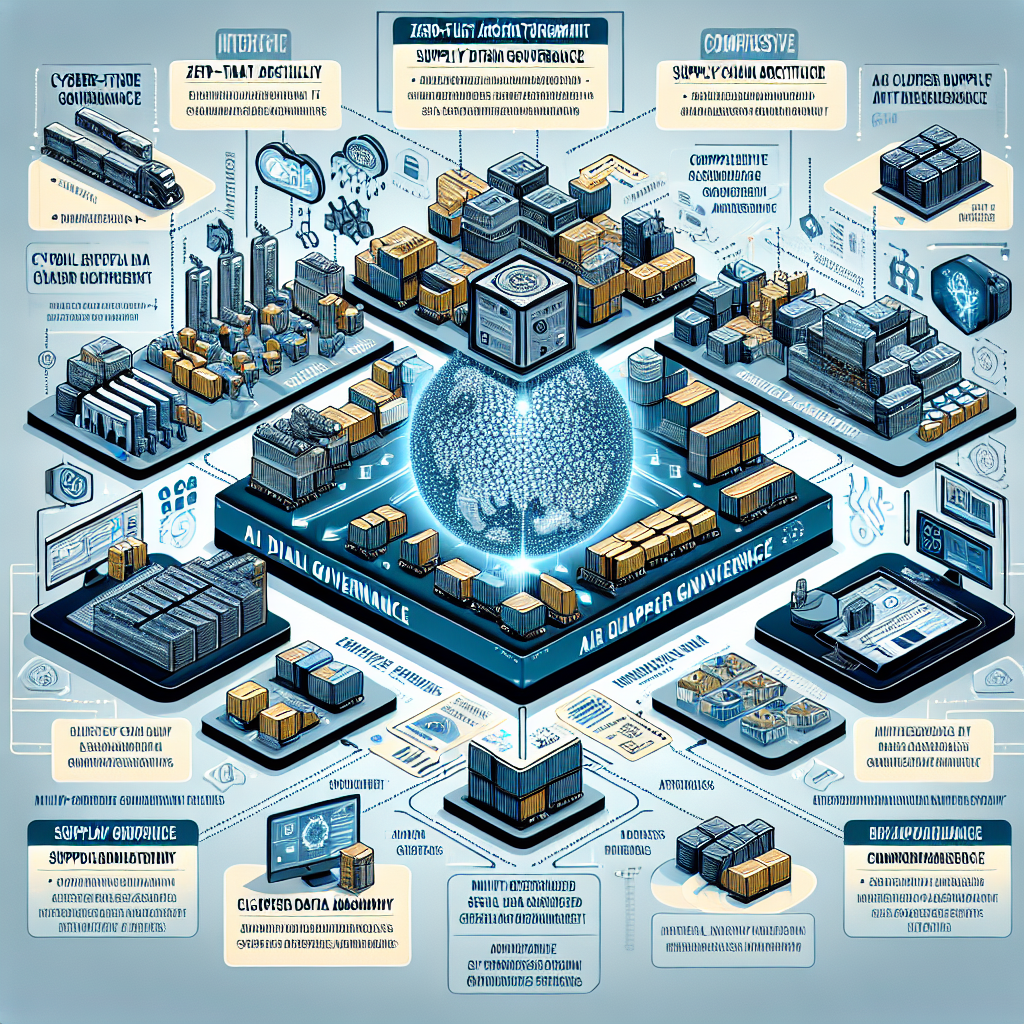
The global supply chain crisis is far from a single-cause, single-industry problem — it’s a deeply interconnected web of disruptions that span pharmaceuticals, semiconductors, food, energy, construction, and retail. Understanding these dynamics helps businesses and consumers alike make smarter decisions and prepare for ongoing uncertainty.
● The pharmaceutical supply chain and medical supply shortage are driving urgent calls for production diversification.
● The semiconductor shortage continues to impact the automotive supply chain crisis and beyond.
● Food supply chain disruption is being fueled by conflict, climate, and disease outbreaks simultaneously.
● Energy supply disruption acts as a multiplier, raising costs across all other supply chains.
● Construction supply delays and retail supply chain volatility are pushing industries toward smarter, more resilient planning.
Want to dive deeper into how these supply chain issues affect the products and industries you care about? Head over to BestInSupplies.com for more insights, guides, and resources to help you stay informed and ahead of the curve.