




Building Unbreakable Supply Chains in a Volatile World
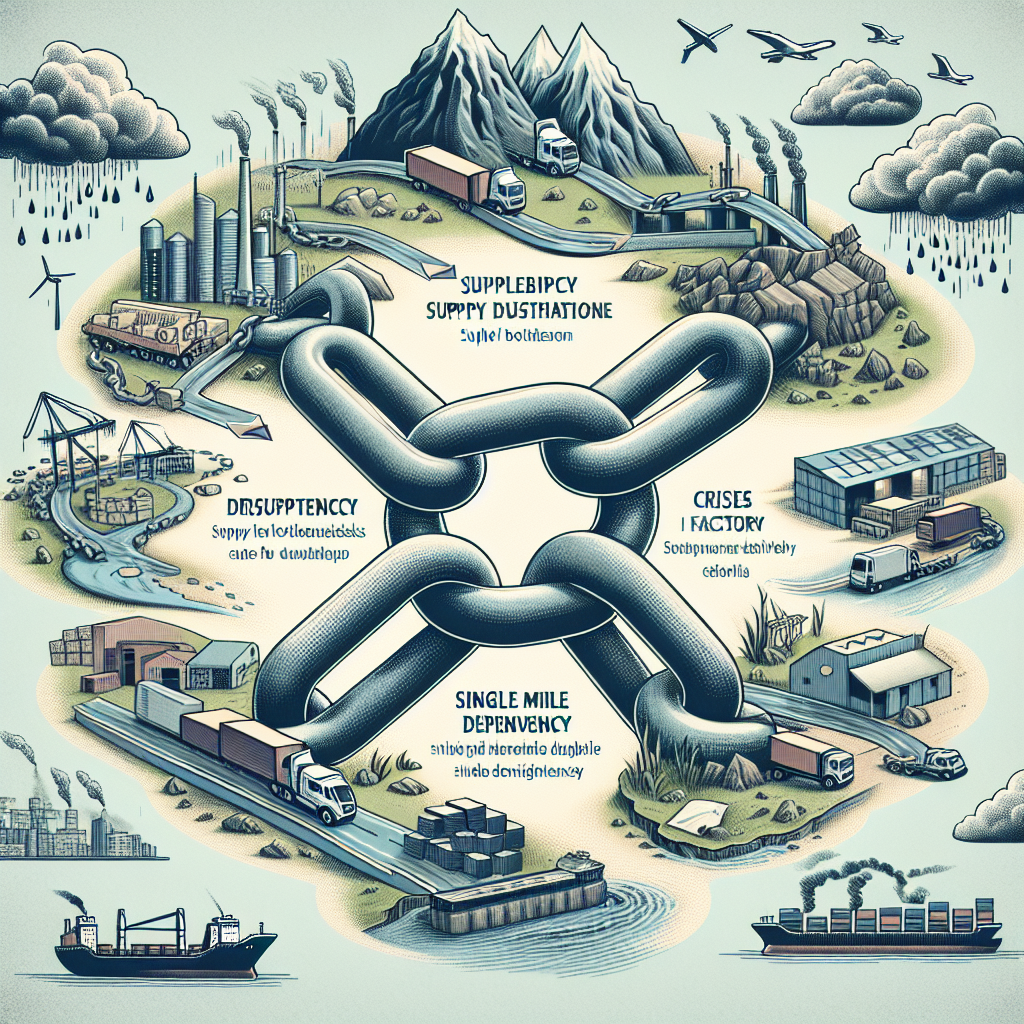
Hey there, supply chain enthusiasts! If there’s one thing we’ve all learned over the past few years, it’s that supply chain disruptions can happen when we least expect them. From global pandemics to geopolitical tensions and natural disasters, the challenges keep coming. But here’s the good news: modern technology is giving us incredible tools to build more resilient supply chains. Today, let’s explore some game-changing supply chain resilience strategies that are transforming how businesses operate.
The Power of Supply Chain Digital Twins
Imagine having a complete virtual replica of your entire supply chain that you can test, analyze, and optimize without risking real-world operations. That’s exactly what supply chain digital twins offer! These sophisticated digital models create a mirror image of your physical supply chain, allowing you to simulate different scenarios and predict potential disruptions before they happen.
Think of it like having a crystal ball, but one powered by data and algorithms rather than magic. With digital twins, you can test out “what-if” scenarios, like what would happen if a major supplier suddenly went offline or if a shipping route became unavailable. This proactive approach means you’re never caught off guard, and you can develop contingency plans well in advance.
Real-Time Chokepoint Tracking: Your Early Warning System
One of the most critical aspects of supply chain resilience is knowing where the bottlenecks are before they become major problems. That’s where real-time chokepoint tracking comes into play. This technology continuously monitors your supply chain for potential congestion points, delays, and vulnerabilities.
Whether it’s a port experiencing unusual traffic, a warehouse operating at capacity, or a transportation route facing weather delays, real-time tracking gives you the visibility you need to act quickly. It’s like having traffic alerts for your supply chain—you can reroute, adjust, and adapt in real-time rather than discovering problems after they’ve already caused significant delays.
Multi-Tier Supplier Visibility: See Beyond the Horizon
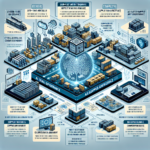
Here’s a challenge many companies face: they know their direct suppliers pretty well, but what about their suppliers’ suppliers? And the tier beyond that? This lack of visibility into deeper supply chain tiers is a major vulnerability. When a disruption hits a second or third-tier supplier, it can send shockwaves through the entire chain.
Multi-tier supplier visibility changes this game entirely. By extending your sight lines deep into your supply network, you gain awareness of risks and opportunities that would otherwise remain hidden. This comprehensive view helps you understand dependencies, identify alternative sources, and build redundancy into your network where it matters most.
Zero-Touch Logistics Orchestration: Automation Meets Intelligence
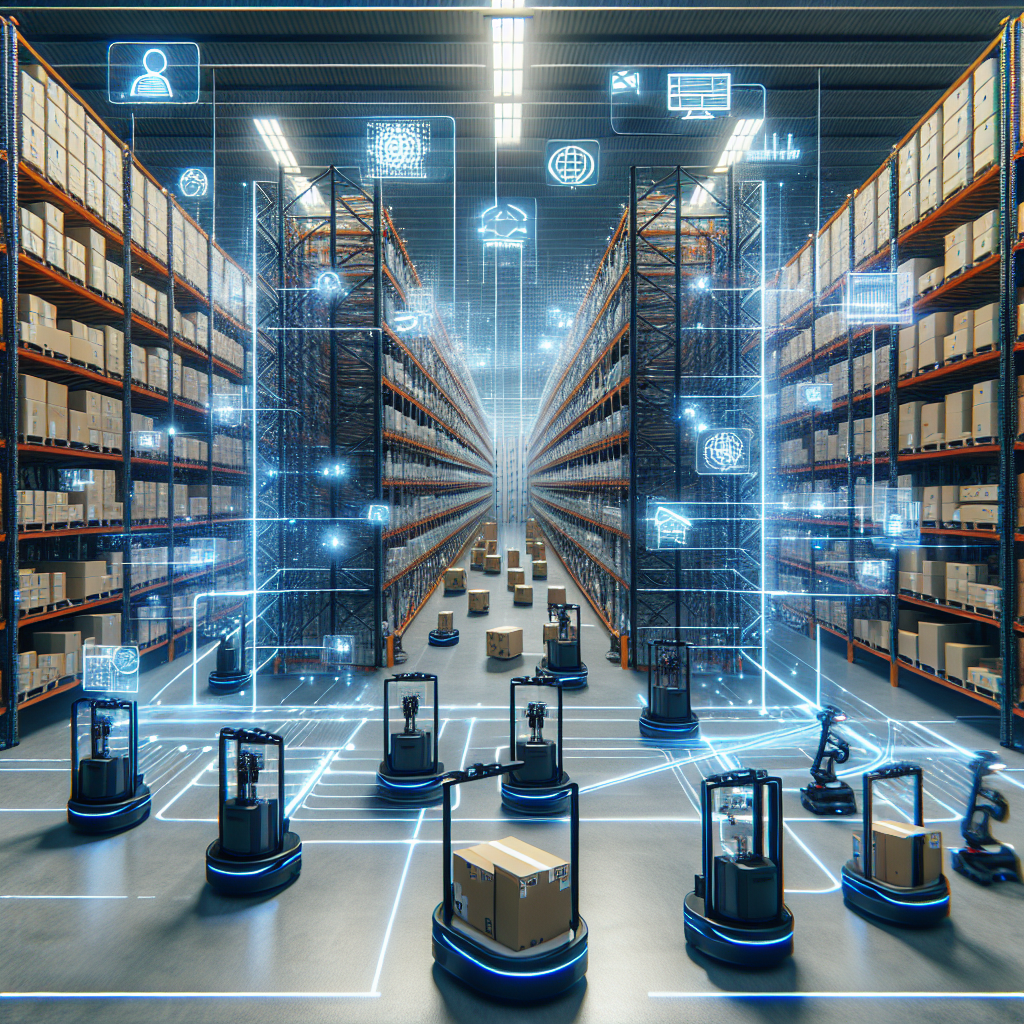
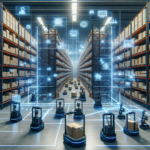
Now, let’s talk about one of the coolest innovations in modern supply chain management: zero-touch logistics orchestration. This approach leverages automation and artificial intelligence to manage logistics operations with minimal human intervention. But don’t worry—this isn’t about replacing people; it’s about freeing them up to focus on strategic decisions while technology handles the repetitive, time-sensitive tasks.
With zero-touch logistics orchestration, your systems can automatically adjust shipping routes, reallocate inventory, coordinate warehouse operations, and even negotiate with carriers based on predefined rules and real-time conditions. It’s like having a tireless operations manager working 24/7 to optimize every aspect of your logistics network.
AI Governance in Supply Chain: Smart Technology, Responsible Implementation
As we embrace these powerful AI-driven tools, it’s crucial to talk about AI governance in supply chain operations. With great power comes great responsibility, right? Implementing strong governance frameworks ensures that your AI systems operate ethically, transparently, and in alignment with your business values.
Good AI governance means establishing clear guidelines for how algorithms make decisions, ensuring data quality and security, maintaining human oversight where appropriate, and continuously monitoring for bias or unintended consequences. It’s about building trust in your automated systems while maintaining accountability.
Key Elements of Effective AI Governance
When implementing AI governance in supply chain systems, focus on transparency, explainability, and continuous improvement. Your team should understand how AI-driven decisions are made, and you should have processes in place to review and refine these systems regularly. This approach ensures that technology serves your business goals while maintaining ethical standards and regulatory compliance.
Bringing It All Together: A Holistic Approach to Resilience
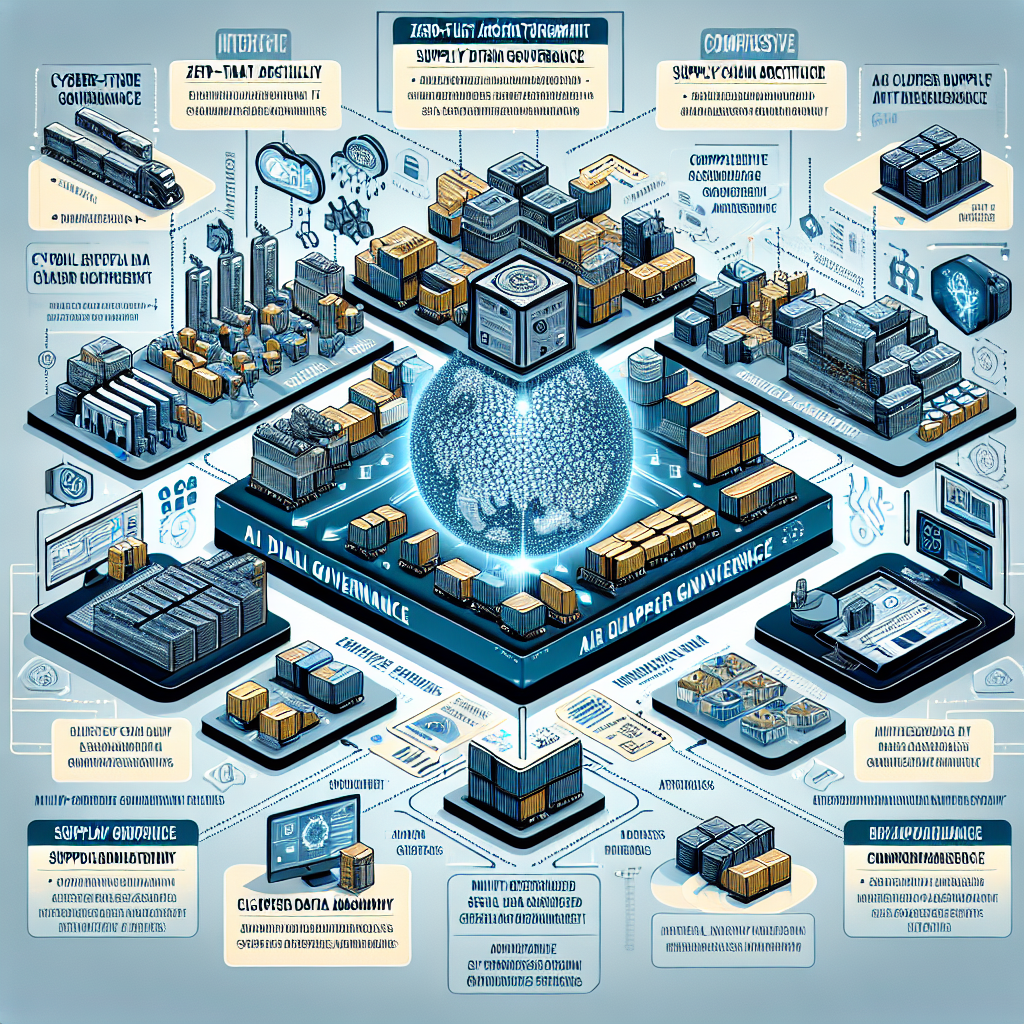
The beauty of these supply chain resilience strategies is that they work even better when combined. Digital twins provide the testing ground, real-time tracking offers the early warnings, multi-tier visibility gives you the complete picture, zero-touch orchestration enables rapid response, and AI governance keeps everything running smoothly and responsibly.
Together, these technologies create a resilient, adaptive supply chain that can weather disruptions and capitalize on opportunities. They transform your supply chain from a reactive operation into a proactive, intelligent system that anticipates challenges and adapts accordingly.
Getting Started on Your Resilience Journey
If you’re wondering where to begin, start by assessing your current vulnerabilities. Where are your blind spots? What disruptions would cause the most damage to your operations? Once you’ve identified your biggest risks, you can prioritize which technologies and strategies will deliver the most value for your specific situation.
Remember, building supply chain resilience isn’t a one-time project—it’s an ongoing journey. Start with pilot programs, learn from the results, and gradually expand your capabilities. The investment you make today in these technologies will pay dividends in reduced disruptions, improved efficiency, and competitive advantage.
The future of supply chain management is here, and it’s more resilient, intelligent, and responsive than ever before. By embracing these strategies and technologies, you’re not just protecting your business from disruptions—you’re positioning it to thrive in an increasingly complex and dynamic global marketplace. Here’s to building stronger, smarter supply chains together!