

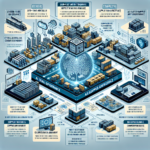





The Dawn of Smart Warehousing
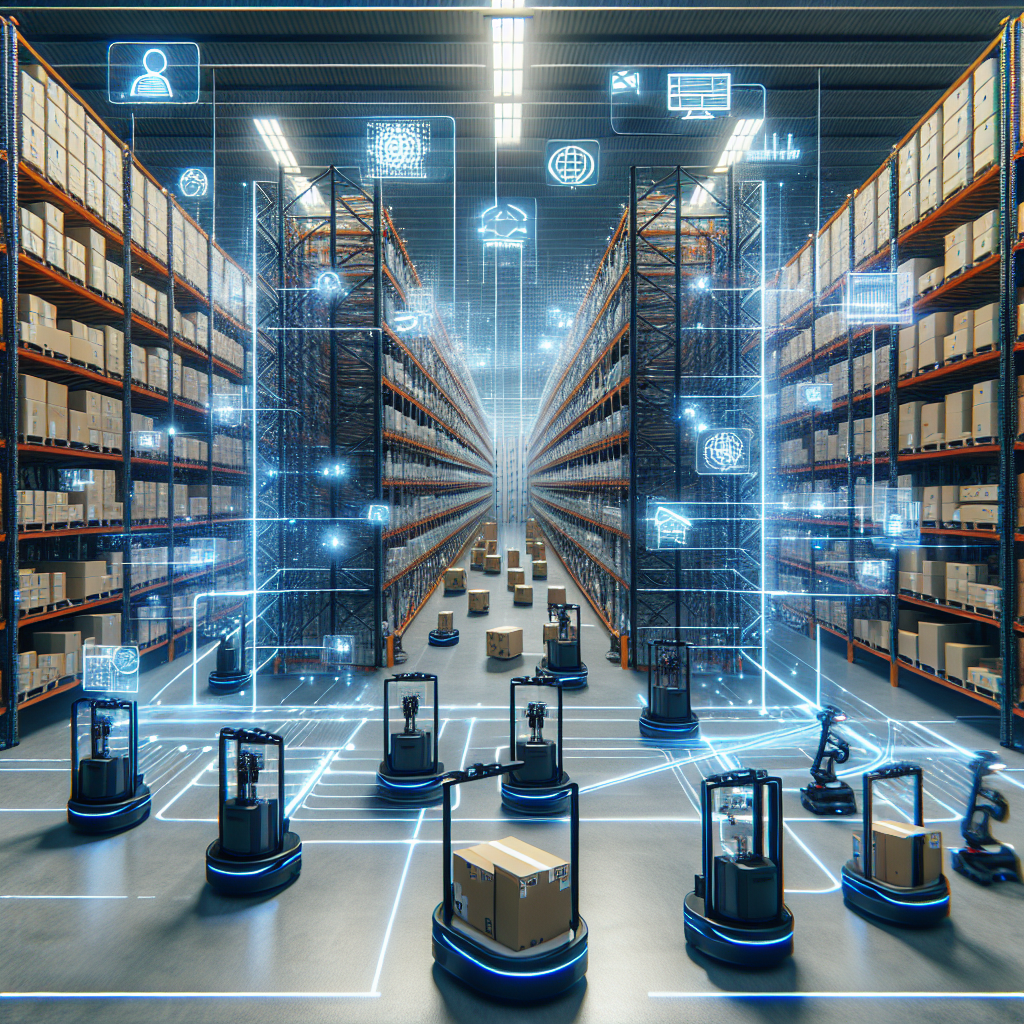
Imagine walking into a warehouse where materials move seamlessly from point A to point B without human intervention, where robots communicate with each other in real-time, and where every decision is optimized by intelligent systems at the edge. This isn’t science fiction—it’s the reality of modern supply chain operations powered by zero-touch logistics orchestration. As businesses worldwide embrace digital transformation, the combination of autonomous mobile robots (AMR) and warehouse edge computing is revolutionizing how we think about inventory management, fulfillment, and overall operational efficiency.
Understanding Zero-Touch Logistics Orchestration
Zero-touch logistics orchestration represents the pinnacle of warehouse automation. It’s a system where human intervention is minimized or eliminated entirely from routine material handling processes. Instead, intelligent software platforms coordinate the movement of goods, manage inventory levels, and optimize workflows automatically. This approach reduces errors, increases speed, and allows human workers to focus on higher-value tasks that require creativity and problem-solving skills.
The beauty of zero-touch logistics lies in its ability to adapt dynamically to changing conditions. When an urgent order comes in, the system automatically reprioritizes tasks, reroutes autonomous mobile robots AMR, and adjusts workflows without requiring manual oversight. This level of responsiveness was previously impossible with traditional warehouse management systems.
Autonomous Mobile Robots: The Workforce of Tomorrow
At the heart of zero-touch logistics are autonomous mobile robots AMR, the tireless workers that navigate warehouse floors with precision and efficiency. Unlike their predecessors—the automated guided vehicles (AGVs) that followed fixed paths—AMRs use advanced sensors, cameras, and artificial intelligence to navigate dynamically around obstacles, choose optimal routes, and collaborate with both humans and other robots.
How AMRs Transform Daily Operations
These intelligent machines handle a variety of tasks including goods-to-person picking, pallet transportation, inventory counting, and cross-docking operations. They work around the clock without breaks, maintaining consistent productivity levels that human workers simply cannot match. More importantly, they do so safely, using sophisticated collision avoidance systems that protect both people and infrastructure.
The scalability of AMR fleets is another game-changer. During peak seasons, facilities can deploy additional robots to handle increased volumes, then scale back during slower periods. This flexibility eliminates the need for seasonal hiring and the associated training costs.
Warehouse Edge Computing: The Brain Behind the Brawn
While autonomous mobile robots provide the physical capabilities, warehouse edge computing supplies the intelligence that makes zero-touch logistics possible. Edge computing processes data locally within the warehouse rather than sending it to distant cloud servers. This architecture delivers the near-instantaneous response times necessary for real-time decision-making in dynamic warehouse environments.
Why Edge Computing Matters for Modern Warehouses
Processing data at the edge offers several critical advantages. First, it dramatically reduces latency—the delay between when data is generated and when actionable insights are available. When an AMR encounters an unexpected obstacle, edge computing enables it to recalculate its route in milliseconds rather than seconds. This responsiveness is essential for maintaining smooth operations.
Second, warehouse edge computing reduces bandwidth requirements and associated costs. Rather than continuously streaming video feeds and sensor data to the cloud, edge devices process this information locally and only transmit relevant insights or alerts. This efficiency becomes increasingly important as warehouses deploy more sensors and devices.
Third, edge computing enhances reliability. Even if internet connectivity is temporarily lost, local edge systems continue orchestrating warehouse operations without interruption. This resilience ensures that fulfillment commitments are met regardless of external network issues.
Industry 4.0 Smart Factory Integration
The true power of modern warehousing emerges when these technologies integrate seamlessly into broader Industry 4.0 smart factory ecosystems. Industry 4.0 represents the fourth industrial revolution, characterized by cyber-physical systems, the Internet of Things (IoT), and intelligent automation working together harmoniously.
Breaking Down Silos
In a fully integrated smart factory environment, warehouse operations don’t exist in isolation. Instead, they communicate bidirectionally with manufacturing systems, quality control processes, supplier networks, and customer-facing platforms. When a production line needs specific materials, the warehouse management system receives this request automatically, dispatches the appropriate AMRs, and delivers components just-in-time.
This integration extends beyond the facility walls. Suppliers receive automated replenishment orders when inventory reaches predetermined thresholds. Transportation management systems optimize outbound shipping schedules based on real-time warehouse capacity. Customer service platforms provide accurate delivery estimates based on current picking and packing status.
Data-Driven Continuous Improvement
Industry 4.0 smart factory integration generates vast amounts of operational data that organizations can leverage for continuous improvement. Advanced analytics identify bottlenecks, predict equipment maintenance needs before failures occur, and reveal optimization opportunities that humans might overlook. Machine learning algorithms become smarter over time, constantly refining workflows for maximum efficiency.
Real-World Benefits and ROI
Companies implementing zero-touch logistics orchestration with AMRs and edge computing report impressive results. Labor productivity typically increases by 30-50% as robots handle repetitive tasks and workers focus on exception handling and value-added activities. Order accuracy improves dramatically, often exceeding 99.9%, which reduces costly returns and enhances customer satisfaction.
Space utilization also improves since AMRs can navigate narrower aisles than traditional forklifts, allowing for denser storage configurations. Energy costs decrease because intelligent systems optimize lighting, heating, and cooling based on actual activity patterns rather than maintaining conditions throughout entire facilities constantly.
Perhaps most importantly, these technologies help address the persistent labor shortage affecting the logistics industry. By automating routine tasks, facilities can operate effectively with smaller teams while providing more engaging, safer work environments for human employees.
Implementing Your Smart Warehouse Journey
Transitioning to zero-touch logistics doesn’t require ripping out existing infrastructure and starting from scratch. The most successful implementations follow a phased approach, beginning with pilot projects in specific warehouse zones before expanding facility-wide.
Getting Started
Start by assessing your current operations to identify processes with the highest potential for automation. High-volume, repetitive tasks like replenishment or simple picking operations make excellent initial candidates. Partner with technology providers who offer flexible, modular solutions that integrate with your existing warehouse management systems.
Invest in change management and training to help your team embrace new technologies rather than fear them. When employees understand that automation eliminates tedious tasks rather than jobs, they become champions of transformation. Many organizations discover that workers appreciate moving into supervisory or problem-solving roles that leverage their experience and judgment.
The Future is Now
Zero-touch logistics powered by autonomous mobile robots and warehouse edge computing isn’t a distant future concept—it’s transforming supply chain operations today. As technologies mature and costs decrease, these capabilities are becoming accessible to businesses of all sizes, not just industry giants with massive capital budgets.
The convergence of AMRs, edge computing, and Industry 4.0 smart factory integration creates warehouse operations that are faster, more accurate, safer, and more adaptable than ever before. Organizations that embrace this transformation position themselves to meet rising customer expectations, compete effectively in global markets, and build resilient supply chains capable of weathering disruption.
Whether you’re operating a small distribution center or managing a vast fulfillment network, the journey toward smart warehousing begins with a single step. The question isn’t whether to embrace these technologies, but how quickly you can implement them to gain competitive advantage. The future of logistics is zero-touch, and that future is already here.