







If you’re managing a supply chain right now, you already know that the world’s most critical shipping lanes are under serious pressure. From Houthi missile strikes rerouting container ships around the Cape of Good Hope to escalating tensions near the Strait of Hormuz, maritime chokepoints have moved from background risk to front-page crisis. Let’s break down what’s actually happening, how it’s hitting your bottom line, and what smart logistics leaders are doing about it.
What's Driving the Red Sea Shipping Disruptions?
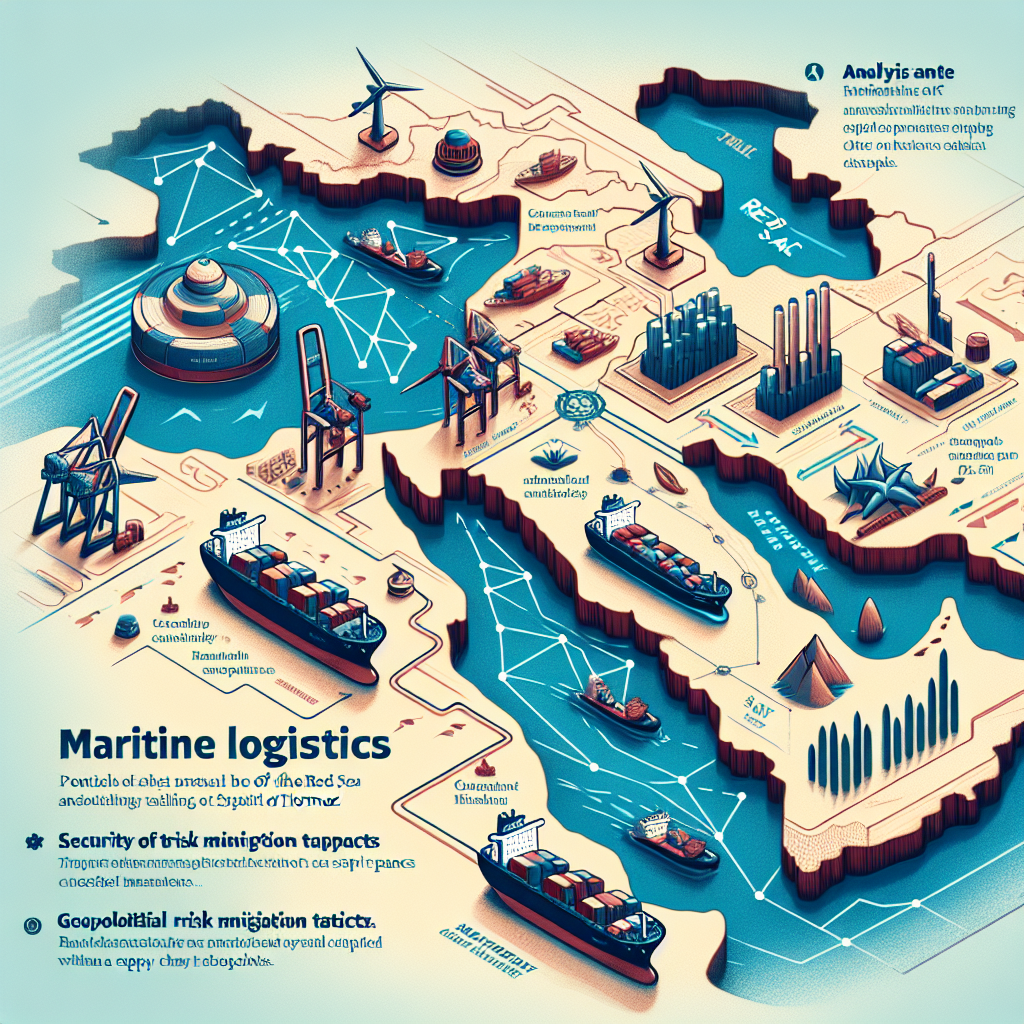
The Bab el-Mandeb Strait — the narrow waterway connecting the Red Sea to the Gulf of Aden — handles roughly 12–15% of global trade by volume, including about 8% of worldwide grain shipments and a massive share of Europe-Asia container traffic. Since Houthi forces began targeting commercial vessels in late 2023, more than 100 shipping companies have diverted their routes away from this corridor. That’s not a small blip — it’s a fundamental reshaping of global freight flows.
Major carriers like Maersk, MSC, and Hapag-Lloyd rerouted vessels around southern Africa, adding 10–14 days to transit times and thousands of dollars in extra fuel costs per voyage. For shippers moving time-sensitive goods — think automotive parts, perishables, or just-in-time electronics — those delays have cascading effects across entire production schedules. The Red Sea shipping disruptions aren’t just a maritime problem; they’re a manufacturing and inventory problem too.
● Over 100 major shipping companies rerouted away from the Red Sea corridor
● Cape of Good Hope detours add 10–14 days and significant fuel surcharges per voyage
● Industries from automotive to food supply are feeling downstream production pressure
Strait of Hormuz Maritime Security: The Other Chokepoint You Can't Ignore
While the Red Sea grabs most of the headlines, Strait of Hormuz maritime security remains one of the most consequential risk factors in global energy logistics. About 20% of the world’s oil supply — roughly 17–18 million barrels per day — flows through this narrow passage between Iran and Oman. Any significant disruption there would immediately spike global energy prices and send shockwaves through freight costs worldwide.
Iran has periodically seized or harassed commercial vessels in the Strait, and tensions with Western naval forces remain elevated. The U.S. Fifth Fleet is stationed in Bahrain specifically to support freedom of navigation, but the threat of escalation keeps risk premiums high. Insurance underwriters have already classified parts of the Persian Gulf as “war risk zones,” meaning cargo owners are paying substantially more for coverage on vessels transiting the area. For a deeper look at how energy price volatility connects to freight rates, the IEA’s Oil Market reports are an excellent starting point.
● ~20% of global oil supply transits the Strait of Hormuz daily
● War risk insurance premiums have surged for vessels in the Persian Gulf region
● U.S. and allied naval presence provides some stability but doesn’t eliminate the threat
Tariff Impact Analysis: What These Disruptions Actually Cost You
Running a solid tariff impact analysis has never been more important than it is right now. When shipping lanes are disrupted, the cost ripple effect is multidimensional — you’re not just paying more for freight. You’re dealing with port congestion surcharges, general rate increases (GRIs), emergency bunker surcharges, and in some cases, demurrage fees when vessels queue outside overwhelmed alternative ports.
For example, spot freight rates on Asia-to-Europe lanes jumped by as much as 300% in the early months of route diversions, with some benchmarks touching levels not seen since the post-COVID shipping crunch. Companies without long-term rate contracts found themselves paying premium spot prices while also absorbing inventory carrying costs from delayed shipments. If you haven’t updated your landed cost models to reflect current surcharge environments, there’s a good chance your margin assumptions are already outdated. The Freightos Baltic Index is a solid free resource for tracking real-time rate benchmarks.
● Asia-to-Europe spot rates spiked up to 300% above baseline during peak diversion periods
● Multiple surcharge layers (GRI, bunker, congestion) compound total cost impact significantly
● Landed cost models need regular recalibration to stay accurate in volatile rate environments
Geopolitical Risk Mitigation in Logistics: Building a Resilient Strategy
The good news? Geopolitical risk mitigation in logistics is no longer a niche specialty — it’s becoming a core competency for procurement and supply chain teams at every level. Leading organizations are moving away from reactive crisis management toward proactive scenario planning, maintaining alternative routing options, and diversifying their carrier portfolios so they’re never dependent on a single lane or a single partner.
Some companies are going further, nearshoring or friendshoring production to reduce exposure to transcontinental chokepoints altogether. Others are renegotiating supplier contracts to include force majeure clauses that specifically address geopolitical route disruptions. Building relationships with freight forwarders who have strong air freight backup capabilities is another popular hedge — yes, air freight is expensive, but it’s sometimes cheaper than shutting down a production line. For a structured framework on risk diversification, Gartner’s Supply Chain research hub offers some excellent practitioner-focused resources.
● Scenario planning and alternative routing are now baseline expectations, not advanced practices
● Nearshoring and friendshoring reduce exposure to transcontinental maritime chokepoints
● Air freight backup agreements can be a cost-effective hedge against critical lane shutdowns
Real-Time Chokepoint Tracking: The Technology Edge
One of the biggest shifts in how supply chain leaders are responding is the adoption of real-time chokepoint tracking tools that provide live visibility into vessel movements, port conditions, and emerging threat zones. Platforms like MarineTraffic, Windward, and project44 give operations teams the ability to see where their cargo actually is, monitor route deviations, and receive alerts when vessels approach high-risk corridors.
The data these platforms generate is increasingly being fed into AI-powered risk models that can flag potential disruptions days before they materialize into actual delays. That lead time matters enormously — even a 48-72 hour early warning can give a logistics team enough runway to activate alternative routing, adjust customer delivery commitments, or prepay inventory buffers. If your organization isn’t investing in at least basic maritime visibility tooling right now, you’re essentially flying blind through one of the most volatile shipping environments in recent memory.
● Platforms like MarineTraffic, Windward, and project44 provide live vessel and risk visibility
● AI-driven risk models can flag emerging disruptions 48–72 hours before they cause delays
● Maritime visibility technology is quickly becoming a table-stakes capability, not a luxury
Key Takeaways
The intersection of Red Sea shipping disruptions and Strait of Hormuz maritime security concerns has created a genuinely challenging operating environment for global supply chains. But with the right tools, strategies, and mindset, it’s a challenge that can be managed proactively rather than reactively. Here’s a quick summary of what to keep in mind:
● Red Sea diversions around the Cape of Good Hope are adding significant time and cost to Asia-Europe trade lanes
● Strait of Hormuz tensions keep energy logistics and freight costs unpredictable and high
● A thorough tariff impact analysis is essential to understanding your true landed cost exposure
● Geopolitical risk mitigation in logistics requires proactive scenario planning, not just crisis response
● Real-time chokepoint tracking technology gives supply chain teams the early warning advantage they need to stay ahead
Want to go deeper on strategies for managing supply chain risk in volatile times? Visit BestInSupplies.com for more expert insights, supplier comparisons, and practical resources built specifically for supply chain and procurement professionals.